


Mount Mukut Expedition by Indian Coast Guard

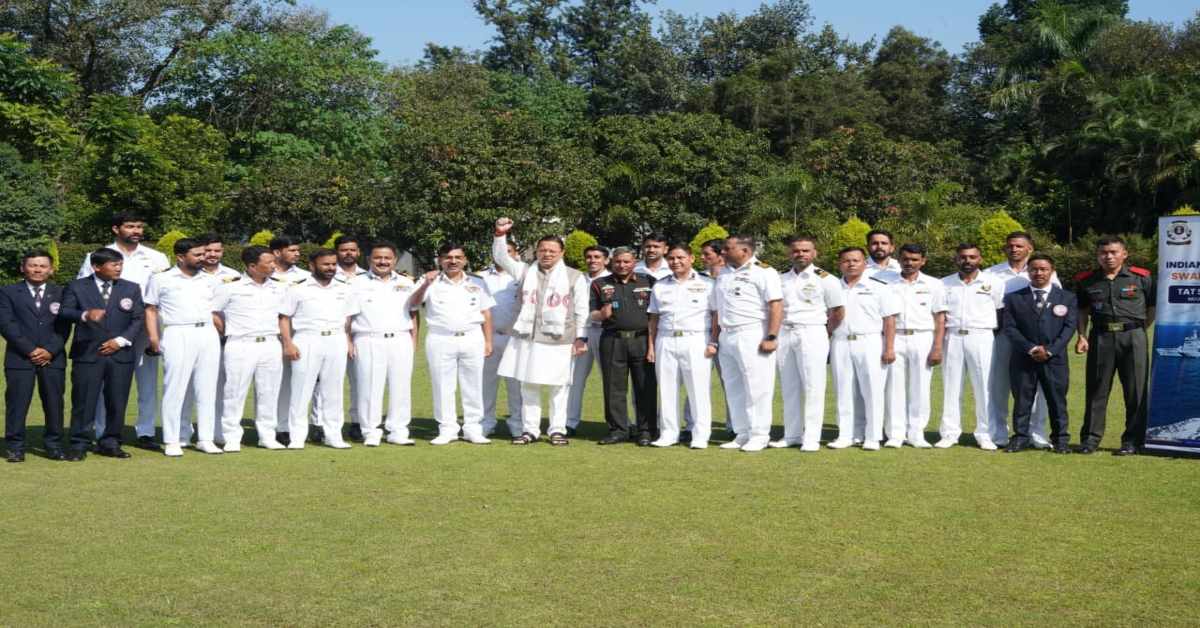
Mount Mukut Expedition marked an important achievement for the Indian Coast Guard (ICG) when a 17-member team successfully reached the summit of Mount Mukut, standing at 7,045 metres, on 7 October 2026. The expedition was named “Tat Se Parwat”, meaning “From Sea to Summit”. It formed part of the Indian Coast Guard’s preparations for a proposed Mount Everest expedition in 2027.
The successful climb was a major step in the team’s 18-month preparation programme. It was the fifth and final phase of the programme designed to build the physical fitness, climbing skills and high-altitude experience needed for the planned Everest mission.

The achievement is also significant because it marked the first time Indian Coast Guard personnel completed a flag expedition to a peak above 7,000 metres. The team faced the challenges of high-altitude mountaineering while working towards a larger goal for the organisation’s Golden Jubilee year.
What Is Mount Mukut?
Mount Mukut is a Himalayan peak that rises to 7,045 metres above sea level. Climbing a mountain at this height requires careful preparation because the human body receives less oxygen in the thin air found at high altitudes.
Low temperatures, strong winds, difficult terrain and changing weather can make high-altitude climbing challenging. Mountaineers need physical endurance, technical climbing skills and proper acclimatisation to adjust to lower oxygen levels.
Acclimatisation means allowing the body time to adapt to the conditions at high altitude. Without proper preparation, climbers may face serious altitude-related health problems.
For the Indian Coast Guard team, climbing Mount Mukut provided experience in managing these conditions. The expedition also allowed team members to test their equipment, coordination and ability to work together in a demanding mountain environment.
Tat Se Parwat: From Sea to Summit
The expedition’s name, “Tat Se Parwat”, translates as “From Sea to Summit”. It reflects the Indian Coast Guard’s maritime role and the team’s move from its usual working environment at sea to the challenging conditions of the Himalayas.
The Indian Coast Guard primarily protects India’s maritime interests and carries out duties related to maritime law enforcement, search and rescue, and safety at sea. High-altitude mountaineering requires a different set of skills, but it also depends on discipline, physical fitness, teamwork and careful planning.
The expedition helped personnel develop experience in a demanding environment far removed from their regular maritime duties. It was also part of a longer preparation plan for the proposed Mount Everest climb.
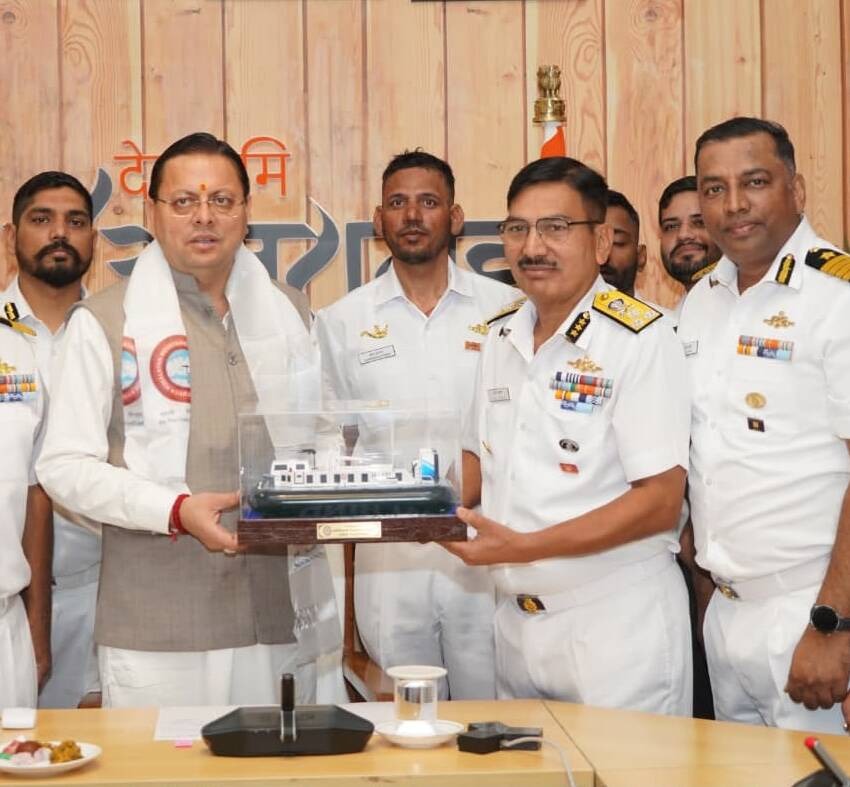
The team was flagged off on 15 September 2026 by Indian Coast Guard Director-General Paramesh Sivamani. After completing the climb, the team returned to Dehradun, where Uttarakhand Chief Minister Pushkar Singh Dhami welcomed and flagged in the members on 12 October 2026.
Preparation for the Mount Everest Expedition in 2027
The Mount Mukut climb was the final phase of an 18-month preparatory programme for the Indian Coast Guard’s proposed Mount Everest expedition in 2027.
Mount Everest stands at 8,848.86 metres above sea level and is the world’s highest mountain above sea level. Its extreme altitude, freezing conditions and difficult climbing routes make it one of the most demanding mountaineering challenges.
Preparation for Everest requires more than physical strength. Climbers need experience at high altitude, technical training, knowledge of mountain safety, acclimatisation and the ability to respond to changing weather.
The Mount Mukut Expedition gave the ICG team an opportunity to gain experience on a peak above 7,000 metres. This experience is relevant to the proposed Everest mission because it exposes climbers to difficult conditions at high altitude.
However, the planned expedition in 2027 remains a separate undertaking. Its success will depend on further planning, safety arrangements, the team’s readiness and the conditions during the climb.
Indian Coast Guard and Its Golden Jubilee
The Indian Coast Guard was established in 1977. It is India’s maritime law-enforcement and search-and-rescue force and works to protect the country’s maritime interests.
Its responsibilities include maritime surveillance, search and rescue, support for maritime safety and action against unlawful activities at sea. The organisation also contributes to the protection of India’s coastal and offshore interests.
The year 2027 will mark 50 years since the Indian Coast Guard was established. This milestone is known as its Golden Jubilee or Swarnim Jayanti.
The proposed Mount Everest expedition is planned for the same year. The Mount Mukut climb is therefore part of the organisation’s preparations for a major mountaineering challenge during its 50th anniversary year.
The successful summit also demonstrates how personnel can undertake specialised activities beyond their regular duties through training, preparation and teamwork.
Role of the Himalayan Mountaineering Institute
The Himalayan Mountaineering Institute (HMI), located in Darjeeling, West Bengal, provided guidance and training to the Indian Coast Guard team.
Established in 1954, HMI is a recognised institution for mountaineering education. It provides training in climbing techniques and related skills needed for mountain expeditions.
Mountaineering training includes learning how to use climbing equipment, move safely across difficult terrain, manage risks and respond to changing weather. High-altitude expeditions also require knowledge of acclimatisation, team coordination and emergency procedures.
The institute’s guidance formed part of the ICG team’s preparation for Mount Mukut and its proposed Everest mission. Specialist training is particularly important for personnel who are preparing to climb high peaks where mistakes can have serious consequences.
Working with an experienced mountaineering institution helps expedition members build the technical knowledge and confidence needed to operate in demanding mountain conditions.
Importance of the Mount Mukut Expedition
The Mount Mukut Expedition is an important step in the Indian Coast Guard’s preparation for high-altitude mountaineering. Reaching a peak of 7,045 metres required physical endurance, technical skills and cooperation among the 17 team members.
The climb also represented the completion of the final phase of an 18-month preparatory programme. The experience gained is expected to support the team’s preparations for the proposed Mount Everest expedition in 2027.
The achievement connects two very different environments: India’s maritime security operations and the high mountains of the Himalayas. It highlights the importance of specialised training, careful preparation and teamwork in meeting difficult objectives.
With the Indian Coast Guard approaching its Golden Jubilee, the planned Everest expedition will be a major undertaking for the organisation. The successful Mount Mukut climb provides an important milestone as the team continues preparing for that challenge.