


Roman Gofman Mossad Chief Appointed by Israel

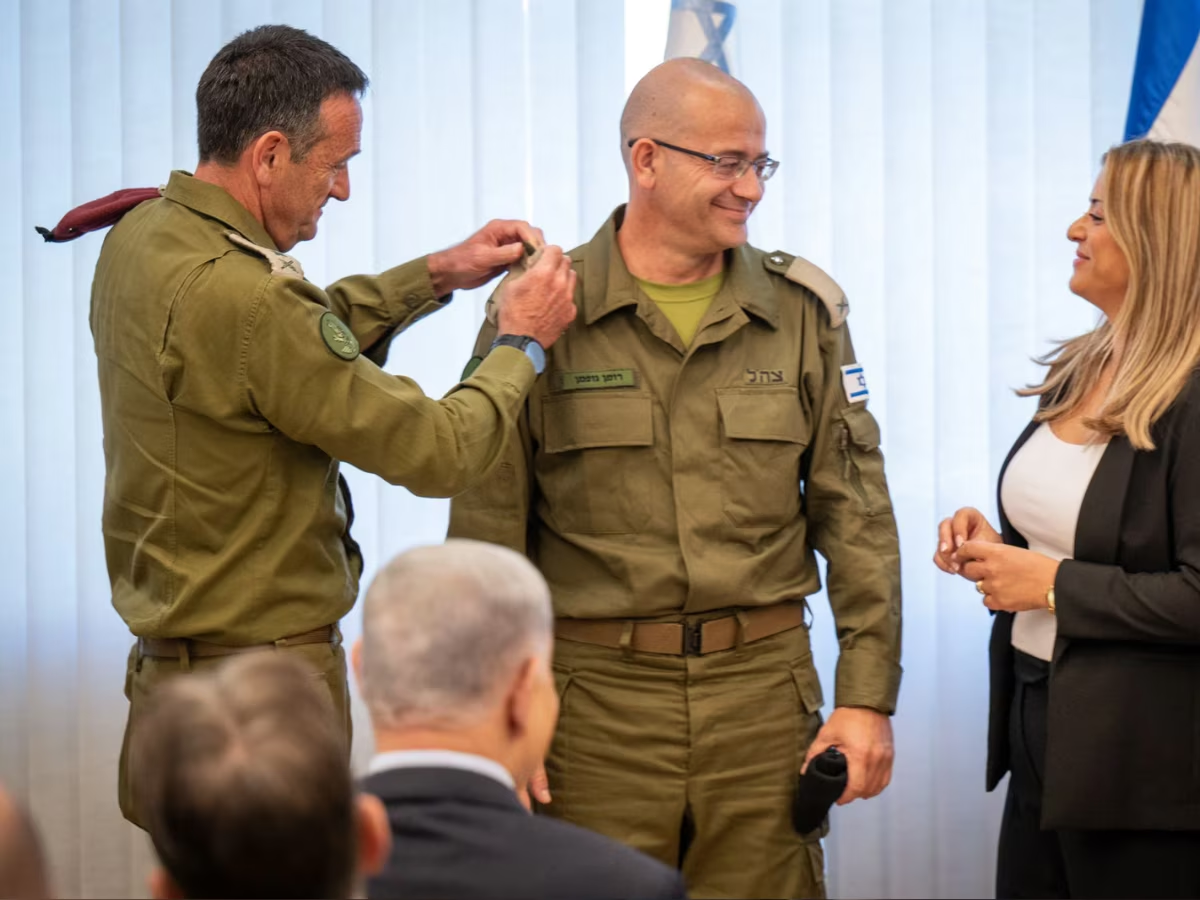
Roman Gofman Mossad Chief has become a major global headline after Israel officially announced Major General Roman Gofman as the next director of the Mossad. His appointment marks a rare and significant decision in Israel’s security landscape, as he is a career military commander with no direct background in internal intelligence operations. The move comes at a complex moment for the nation, with evolving regional challenges and long-term security concerns following the 2023 Hamas assault.
Thank you for reading this post, don't forget to subscribe!The decision reflects Israel’s effort to strengthen coordination between its defense forces and intelligence network. With Gofman stepping into one of the most sensitive positions in the country’s security structure, his leadership is expected to introduce a fresh style shaped by military discipline, battlefield experience and strategic decision-making.
Roman Gofman Mossad Chief: A Military Leader Moving Into an Intelligence Role
Roman Gofman will take over from current Mossad chief David Barnea when Barnea’s term comes to an end in June 2026. His selection follows extensive deliberation within the government and years of close cooperation with Prime Minister Benjamin Netanyahu. Since 2024, Gofman has served as Netanyahu’s military secretary, a role that allowed the two to build a strong working partnership marked by trust, speed of communication and coordinated crisis response.

This background helped shape Netanyahu’s confidence in Gofman’s ability to lead Mossad, especially during a time when Israel is reshaping aspects of its national security framework. His appointment signals an attempt to bring more synchronized communication between the Israel Defense Forces (IDF), Mossad and the Prime Minister’s Office.
Roman Gofman Mossad Chief: Early Life and Rise Through the IDF
Roman Gofman was born in Belarus in 1976. He migrated to Israel in 1990 during a period when many Jewish families relocated from the former Soviet states seeking safety and new opportunities. In 1995, he joined the Israel Defense Forces, beginning a long and demanding journey through the Armoured Corps.
Over the years, he rose through the ranks by taking on challenging responsibilities in northern, southern and West Bank military sectors. His battlefield experience played a crucial role in shaping his professional identity. Gofman became known for his ability to work under pressure, his operational thinking and his approach to field leadership.
Netanyahu has publicly praised Gofman’s creativity and discretion, describing him as an officer capable of delivering strong results during complex military moments. His battlefield performance, combined with his ability to work closely with intelligence units during overlapping operations, strengthened the argument for his selection as Mossad’s leader.
Roman Gofman Mossad Chief: Key Moments and Public Controversies
Throughout his career, Roman Gofman has held command positions in major armored brigades and regional divisions. In 2018, he drew national attention after sharing strong opinions on the limited use of ground forces during a particular operational phase. His remarks triggered debate within defense circles, bringing both criticism and recognition for openly addressing strategic concerns.
Another moment of controversy took place during his command of the 210th Division, when a social-media incident involving sensitive material became a subject of public discussion. After investigations, authorities cleared him of any wrongdoing. These episodes, while challenging, added to his profile as a commander who has faced scrutiny, pressure and public debate skills that may prove useful within Mossad’s demanding leadership environment.
Roman Gofman Mossad Chief: A Leader Tested by Conflict
One of the most defining moments of Gofman’s career occurred during the 2023 Hamas attack. He was seriously injured near Sderot while responding to the situation. Despite the severity of the incident, he recovered and quickly returned to his senior responsibilities inside the IDF. His return demonstrated resilience and commitment, traits that many believe strengthened his credibility during the selection process for Mossad’s top position.
His close work with the Prime Minister’s Office after the attack also helped him transition smoothly into strategic advisory roles. This period shaped his understanding of national-level crisis management, inter-agency communication and international coordination elements central to the Mossad’s functioning.
Roman Gofman Mossad Chief: Why Netanyahu Chose Him
Prime Minister Netanyahu’s decision reflects both trust and long-term thinking. Gofman’s rise within the IDF highlighted his operational judgment, his ability to coordinate large teams under pressure and his talent for synthesizing military and intelligence data during high-risk moments.
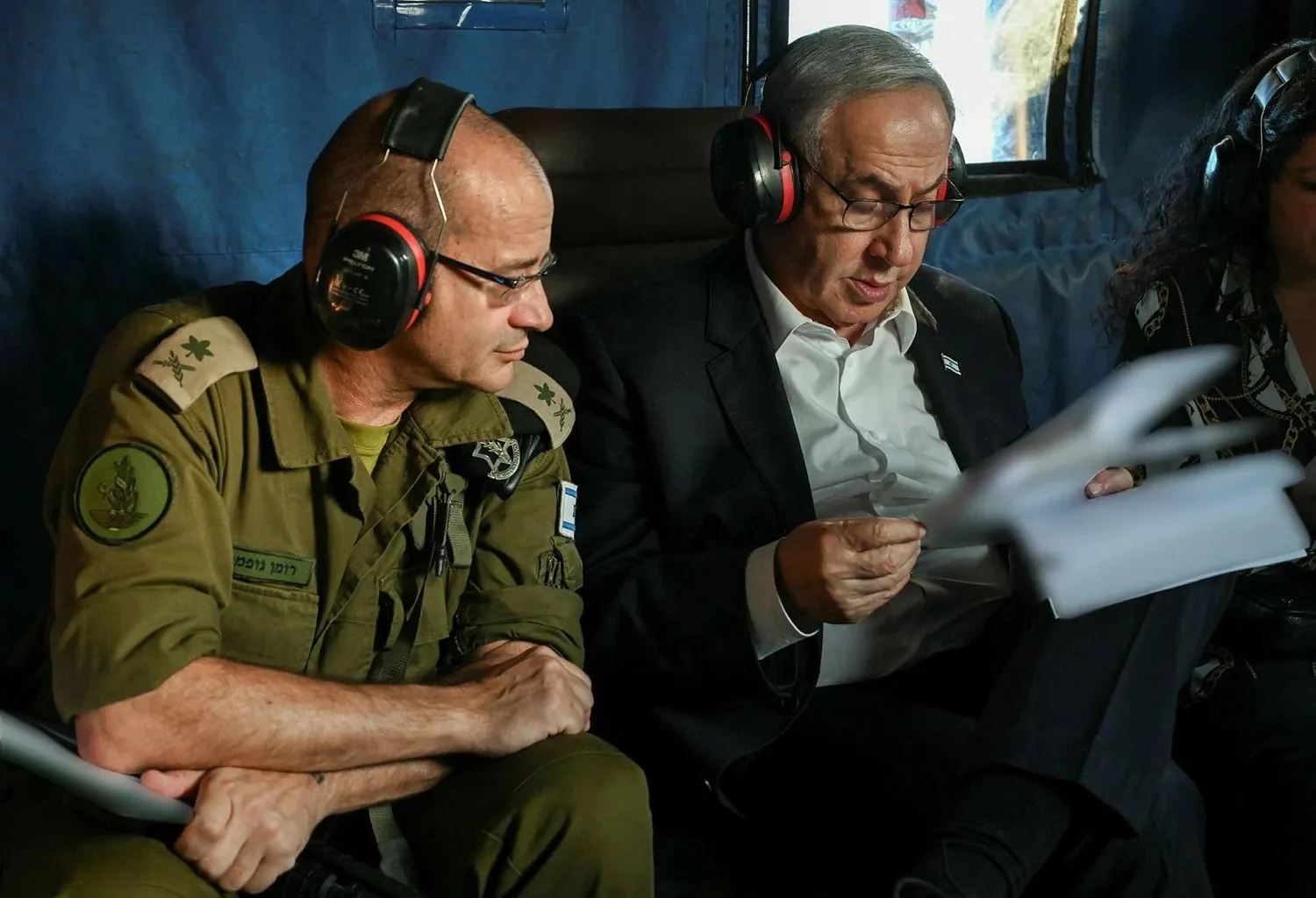
Netanyahu emphasized that Gofman has the qualities needed to guide Mossad through a period marked by shifting regional alliances, growing tensions and ongoing threats from neighboring regions. Critics have raised concerns about appointing a military figure instead of a seasoned intelligence official, although opposition to this appointment has been relatively mild compared to past security debates.
Roman Gofman Mossad Chief: The Challenges Ahead
When Gofman assumes his new role in mid-2026, he will inherit an agency operating across several complex environments. Under outgoing director David Barnea, Mossad has expanded its activities across Iran, Lebanon and broader Middle Eastern theatres. Several high-profile operations during Barnea’s tenure reaffirmed Mossad’s reputation as one of the world’s most skilled intelligence organizations.
Gofman will face the task of maintaining this momentum, improving coordination with the IDF and navigating new strategic demands. With Israel continuing to respond to regional threats and international diplomatic challenges, the role of Mossad remains central to the country’s national security plan.
He will also be expected to lead internal modernization efforts, strengthen intelligence partnerships and build strategies that address both immediate threats and long-term challenges. His military background may help bring a more structured and disciplined approach to Mossad’s evolving mission.