


Climate Stack Challenge Winners

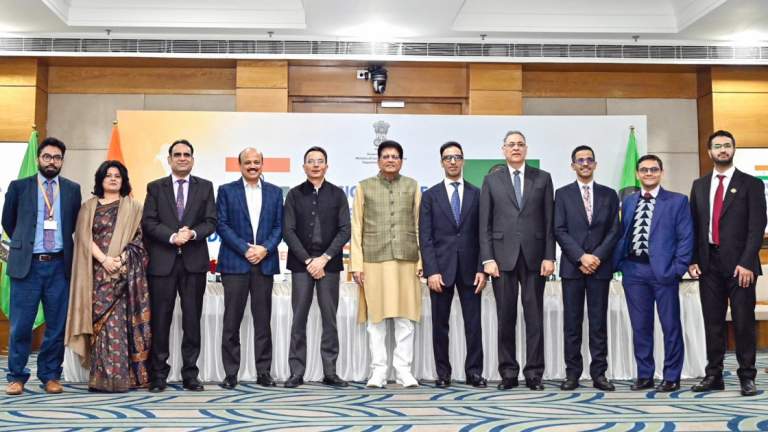
Climate Stack Challenge winners were announced by the National Bank for Agriculture and Rural Development (NABARD) on 10 August 2026, marking a new step in the use of digital technology to help farmers and rural communities deal with climate risks. The National Climate Stack Innovation Challenge was organised by NABARD in partnership with the Bill & Melinda Gates Foundation and Dalberg Advisors. The initiative was developed around the Data in Climate Resilient Agriculture (DiCRA) framework and focused on practical digital tools for understanding and managing climate-related risks in agriculture.
Thank you for reading this post, don't forget to subscribe!The winning solutions use technologies such as satellite data, artificial intelligence and climate modelling. These tools can help identify areas that may face drought, floods, extreme heat and other weather-related risks. The information can also support better decisions in farming, rural finance, insurance and local development.
NABARD Leads the Climate Technology Initiative
NABARD is India’s apex development finance institution for agriculture and rural development. It was established in 1982 under the National Bank for Agriculture and Rural Development Act, 1981.
The institution works with financial organisations, state agencies, rural institutions and other stakeholders to support agriculture and rural communities. Its work includes rural credit, agricultural development, infrastructure and financial inclusion.
The Climate Stack Challenge adds a technology-focused dimension to this work. It explores how digital information can be converted into useful tools for farmers, financial institutions and policymakers.
What Is the National Climate Stack Innovation Challenge?
The National Climate Stack Innovation Challenge was created to encourage innovators to develop digital solutions for climate-resilient agriculture.
Agriculture is highly dependent on weather. Changes in rainfall, temperature and the frequency of extreme weather events can affect crop production and farmers’ incomes.
The challenge therefore focused on tools that can help understand climate risks before they cause serious damage.
Instead of relying only on traditional weather information, the participating teams used several types of digital data. Satellite images, artificial intelligence and climate models can be combined to create detailed information about local conditions.
Data in Climate Resilient Agriculture
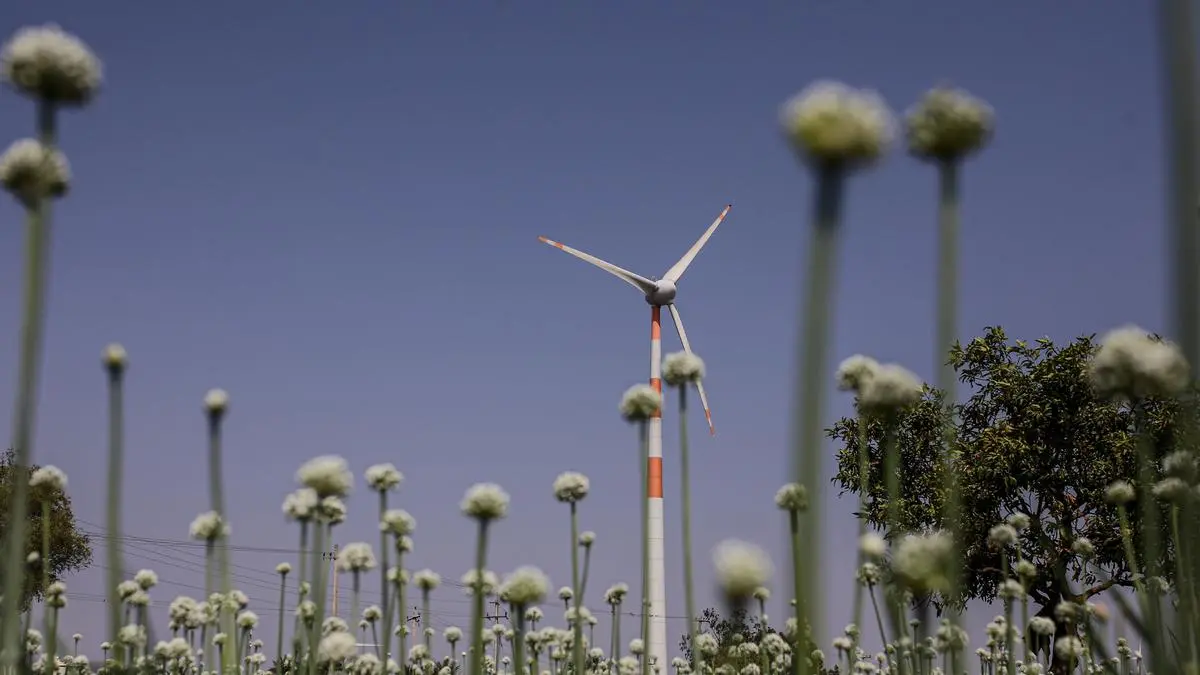
The DiCRA framework, or Data in Climate Resilient Agriculture, was an important part of the initiative.
DiCRA focuses on using data and technology to support climate-resilient farming. Data from different sources can help identify agricultural patterns and environmental risks.
For example, satellite information can show changes in vegetation and land conditions. Weather data can provide information about rainfall and temperature, while artificial intelligence can help analyse large amounts of information.
When these sources are combined, users can receive a clearer picture of the risks faced by particular villages or farming areas.
SatSure Analytics Wins First Prize
SatSure Analytics India Private Limited won the first prize of ₹15 lakh.
Its winning solution focuses on a climate vulnerability index that ranks villages across India according to their exposure to weather-related risks.
A climate vulnerability index can consider different factors connected with climate risk. These may include exposure to drought, floods, heat stress and other weather conditions.
Such information can help identify communities that may need additional support during periods of climate stress.
The tool can also be useful for financial institutions that want to understand climate-related risks when providing credit to rural borrowers.
EXPERIQS Wins Second Prize
EXPERIQS Private Limited secured the second prize of ₹10 lakh.
Its solution focuses on drought monitoring and forecasting the possible effects of drought conditions on crop cycles.
Drought can have a major impact on agriculture because crops require sufficient water during important stages of growth.
Early information about drought conditions can help farmers and agricultural agencies make better decisions about irrigation, crop planning and other farm activities.
The system can also help identify areas where drought conditions may affect production and income.
VARSAPRADAYA Wins Third Prize
VARSAPRADAYA Private Limited won the third prize of ₹5 lakh.
The company’s digital engine provides hazard scoring and irrigation planning inputs.
Hazard scoring can help identify the level of risk faced by a particular location. When combined with irrigation information, such a tool can help users understand where water resources may be required most urgently.
Efficient irrigation planning is increasingly important as agriculture faces changing rainfall patterns and growing pressure on water resources.
More Than 150 Applications Received
The response to the Climate Stack Challenge was significant. More than 150 applications were submitted during the challenge.
The organisers used a multi-stage selection process to identify the strongest solutions.
The initial group of applicants was reduced to 20 prototype builders. These teams developed and demonstrated their ideas before the field was further reduced to 11 finalists.
The final winners were selected after assessing the solutions and their potential use in climate-resilient agriculture.
From Ideas to Working Digital Tools
One of the important features of the challenge was its focus on practical applications.
Climate technology can produce large amounts of information, but information alone is not enough. Farmers, banks and local authorities need information that is easy to understand and useful for making decisions.
The challenge encouraged teams to turn complex datasets into digital tools that can provide clear insights.
For example, instead of showing large amounts of satellite information, a digital platform could identify villages facing high drought risk and present that information in a simple format.
Artificial Intelligence in Agriculture
Artificial intelligence is becoming increasingly important in modern agriculture.
AI systems can process large amounts of data much faster than traditional methods. They can identify patterns in weather, soil conditions, crop growth and satellite images.
In the Climate Stack Challenge, AI was used alongside other technologies to develop tools for climate risk assessment.
The technology can support early warning systems and help users make decisions based on data rather than depending only on past experience.
Satellite Data for Rural Areas
Satellite technology provides another important source of information for climate-resilient agriculture.
Satellites can observe large areas of land regularly. Their images can help researchers identify changes in vegetation, water availability and land conditions.
This is especially useful in rural areas where detailed ground-level data may not always be available.
By combining satellite observations with weather information, digital platforms can create more detailed assessments of agricultural conditions.
Climate Modelling and Future Risks
Climate models are also important because they can help researchers understand possible future conditions.
Weather forecasts generally focus on shorter periods, while climate models can be used to study longer-term patterns.
For agriculture, this information can help identify areas that may face increasing risks from heat, drought, changing rainfall or other climate-related conditions.
The winning solutions show how climate modelling can be combined with real-time and historical data to create useful tools for rural decision-making.
Helping Farmers Prepare for Climate Risks
Farmers are among the groups most directly affected by changing weather conditions.
A sudden drought can reduce crop yields, while excessive rainfall can damage crops and soil. Extreme heat can also affect crop growth and livestock.
Digital climate tools can provide farmers and agricultural agencies with early information about these risks.
Better information can support decisions about crop selection, sowing periods, irrigation and other farming activities.
Climate Risk and Rural Credit
An important part of the initiative is its connection with rural finance.
Climate-related events can affect the ability of farmers to repay agricultural loans. A drought, flood or crop failure can reduce farm income and increase financial pressure.
A climate vulnerability index can help financial institutions understand the level of climate exposure in different areas.
This does not mean that every farmer in a high-risk area will face financial problems. Instead, the information can help banks and other institutions better understand the risks associated with agricultural lending.
Supporting Better Rural Finance Decisions
NABARD Chairman Dr. Shaji Krishnan V. said the initiative is linked to digital public infrastructure for resilient farming and the assessment of weather-related rural credit risks.
Digital tools can provide financial institutions with additional information when planning rural credit programmes.
For example, banks could use climate risk information alongside traditional financial data when assessing agricultural lending needs.
This could support more informed decisions and help financial institutions prepare for climate-related challenges.
Importance of Irrigation Planning
Water management is another major area where climate technology can help.
Rainfall is not evenly distributed across India, and some agricultural regions regularly face water shortages. Climate change can further increase uncertainty in rainfall patterns.
Digital irrigation tools can help identify where water is needed and how irrigation resources can be planned more efficiently.
The third-place solution developed by VARSAPRADAYA focuses specifically on hazard scoring and irrigation planning inputs.
Such tools could become increasingly useful as agriculture faces pressure to produce more food while using water more efficiently.
Climate Technology and Small Farmers
Small and marginal farmers form a large part of India’s agricultural community. They may have fewer financial resources to absorb losses caused by extreme weather.
Affordable and accessible digital services could therefore play an important role in improving climate resilience.
However, technology needs to be easy to use. Farmers may not always have access to high-speed internet, advanced smartphones or technical training.
Future climate platforms will therefore need to focus not only on technology but also on accessibility and local support.
Role of Digital Public Infrastructure
The Climate Stack Challenge also reflects India’s wider focus on digital public infrastructure.
Digital public infrastructure refers to technology systems that can support large-scale public services and economic activities.
In agriculture, digital infrastructure can connect information about farmers, weather, land, markets and finance.
Climate information can become another important part of this digital ecosystem.
Recognition of the Winning Teams
The winning teams were also felicitated on 12 July 2026 during the NABARD Foundation Day ceremony.
The recognition highlights the growing importance of private innovators and technology companies in addressing agricultural and climate challenges.
Government institutions can provide the framework and access to data, while technology companies can develop specialised tools and applications.
Such partnerships can help move innovative ideas from research and testing toward real-world use.
Climate Change and India’s Agriculture
India’s agricultural sector is closely connected with the monsoon. Changes in rainfall timing, intensity and distribution can affect crop production.
At the same time, rising temperatures and extreme weather events can create additional pressure on farmers.
This makes climate-resilient agriculture an increasingly important area of policy and technology development.
Digital tools cannot eliminate climate risks, but they can help people understand those risks earlier and make better decisions.
A New Approach to Rural Decision-Making
The winning solutions demonstrate how modern technology can change the way rural risks are assessed.
Instead of waiting for a drought or flood to cause damage, digital systems can help identify vulnerable areas in advance.
Instead of using only historical information, financial institutions can combine climate data with other information to understand changing risks.
This approach could make rural planning more responsive to changing environmental conditions.
Future Scope of the Climate Stack
The Climate Stack Challenge may encourage further development of digital tools for agriculture, insurance, rural finance and climate adaptation.
Future solutions could focus on areas such as crop disease detection, extreme heat warnings, flood forecasting, soil health monitoring and water management.
As satellite coverage, artificial intelligence and climate data improve, these technologies may become more accurate and easier to use.
The challenge has also demonstrated that climate technology can bring together financial institutions, technology companies, researchers and development organisations around a common goal.
Technology and Resilient Agriculture
The announcement of the three winners brings attention to a growing area of India’s agricultural policy: using technology to prepare rural communities for climate uncertainty.
SatSure Analytics, EXPERIQS and VARSAPRADAYA developed different approaches, but all three solutions focus on turning climate information into practical decision-making tools.
With agriculture facing increasing weather uncertainty, the combination of satellite data, artificial intelligence and climate modelling could become an important part of India’s efforts to build more resilient farming systems.