BRICS Members and Global Cooperation

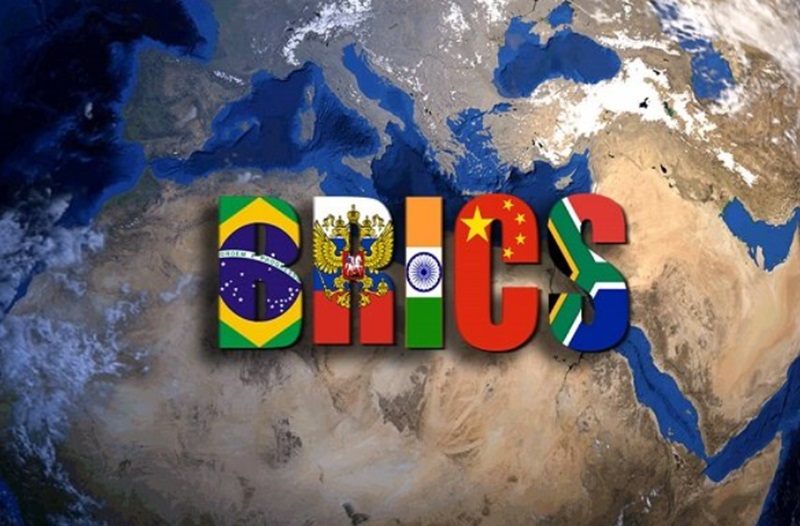
BRICS is a major group of emerging economies that is playing an increasingly important role in global economic and political cooperation. The grouping provides a platform for countries to discuss trade, investment, development, finance and major international issues. It also supports reforms in global institutions so that they better represent the changing economic and political balance of the world.
BRICS has changed significantly since it began as BRIC. Its membership has expanded to include countries from different regions, giving the group a wider geographic and economic reach.

How BRICS Started
The term BRIC was first used in 2001 by Goldman Sachs economist Jim O’Neill. It referred to Brazil, Russia, India and China, which were considered fast-growing emerging economies with strong future potential.
The four countries later began working together at the political level. The first BRIC summit was held in Yekaterinburg, Russia, in 2009. This meeting marked the beginning of a formal summit-level dialogue among the four countries.
In 2010, South Africa joined the grouping, turning BRIC into BRICS. South Africa’s entry also gave the group a stronger African presence and expanded its focus beyond economic growth to wider South-South cooperation.
BRICS Expands Its Membership
The BRICS grouping entered a new phase of expansion in January 2024. Egypt, Ethiopia, Iran and the United Arab Emirates became full members, increasing the geographical reach of the group.
Indonesia formally joined BRICS in January 2025, adding another major Southeast Asian economy to the grouping.
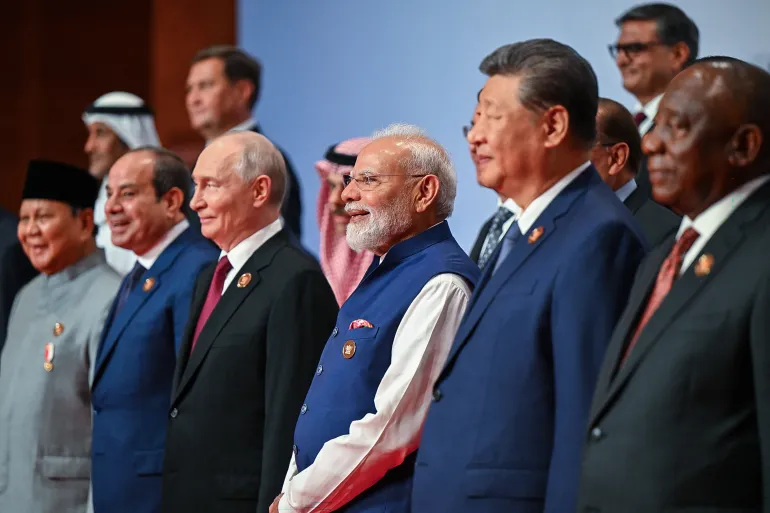
According to the membership information provided in the latest context, the current BRICS members are Brazil, China, Egypt, Ethiopia, India, Indonesia, Iran, Russia, South Africa and the United Arab Emirates.
The expansion has made BRICS a broader platform for cooperation among emerging and developing economies.
Main Areas of BRICS Cooperation
BRICS cooperation covers economic, political and development-related issues. Members discuss ways to increase trade and investment while also working together on global challenges.
The group generally follows principles such as sovereign equality, non-interference and mutual benefit. Members also support sustainable development and greater representation for developing countries in international institutions.
BRICS discussions can cover areas such as climate change, food security, energy, technology, development finance and counter-terrorism.
Another important area is cultural and people-to-people cooperation. This helps strengthen connections between citizens, businesses, researchers and institutions in member countries.
New Development Bank
One of the most important institutions created by BRICS is the New Development Bank (NDB).
The NDB was established in 2014 at the 6th BRICS Summit in Fortaleza, Brazil, and began operations in 2015. Its headquarters are located in Shanghai, China.
The bank provides financing for infrastructure and sustainable development projects in BRICS countries and other emerging economies. Its initial authorised capital was US$100 billion.
The NDB has also expanded beyond the original BRICS membership. Countries including Bangladesh, Egypt, Uruguay and the United Arab Emirates have joined the bank.
The institution gives developing countries another source of development finance and supports projects linked to long-term economic growth.
Contingent Reserve Arrangement
The BRICS Contingent Reserve Arrangement (CRA) was also created in 2014. It is designed to provide financial support to member countries facing short-term external financial pressures.
The CRA has committed resources of US$100 billion. It can provide liquidity support when a participating country faces balance-of-payments difficulties.
The arrangement is intended to strengthen financial stability among participating countries and provide an additional safety mechanism during periods of economic stress.
BRICS PAY and Other Platforms
Over the years, BRICS has developed several platforms to expand cooperation beyond government meetings.
BRICS PAY is designed to support easier cross-border payments and financial transactions among participating countries. It reflects the group’s wider interest in improving financial cooperation and exploring more efficient payment systems.
The BRICS Business Council promotes business connections, trade and investment among member countries. The BRICS Think Tank Council supports research and policy discussions.
The BRICS Women Business Alliance focuses on women’s participation in business and entrepreneurship. Research institutions and academic organisations also cooperate through the BRICS Network of Research Institutes.
These platforms connect governments with businesses, researchers and other groups.
How BRICS Works
Unlike some international organisations, BRICS does not have a permanent headquarters or a permanent secretariat. The grouping follows a rotational chairmanship system.
Each member country takes the chair for a period and hosts the annual summit and related ministerial meetings. This gives different members the opportunity to set priorities and lead discussions.
The flexible structure allows BRICS to operate without a large permanent bureaucracy. Major decisions and priorities are discussed through summits and meetings between member countries.
BRICS and Global Economic Reform
A major goal of BRICS is to encourage greater representation for emerging and developing economies in global decision-making.
The group has repeatedly supported reforms in major multilateral institutions, including international financial and governance bodies. Members argue that global institutions should reflect today’s economic realities rather than the power structure of earlier decades.
The growing membership of BRICS has increased the group’s geographic diversity and strengthened its position as a platform for discussions on global economic governance.
India and China Connectivity in 2026
Recent developments between BRICS members are also relevant to the group’s wider economic engagement. The planned resumption of direct flights between Guangzhou and New Delhi from September 21, 2026, is expected to improve connectivity between China and India.
Better air connectivity can support business travel, tourism, educational exchanges and people-to-people contacts. It can also contribute to wider economic engagement between two major BRICS economies.
As BRICS continues to expand, developments involving its member countries can influence trade, investment, connectivity and cooperation across several regions.