



Railway Electrification has reached a major milestone in Southern Railway, which has now completed 100% electrification of its Broad Gauge (BG) network. The zone has electrified all 5,068 route kilometres of its BG network. The milestone was achieved after the completion of electrification work on the final 71-km Pattukkottai-Karaikkudi section in Tamil Nadu.
Railway Electrification Completed Across Southern Railway
The completion of Railway Electrification means that electric trains can now operate across the entire Broad Gauge network of Southern Railway. The final section connecting Pattukkottai and Karaikkudi was the last remaining BG route in the zone that needed electrification.

The statutory inspection of the section was completed on 9 September 2026 by Ganesh, Principal Chief Electrical Engineer of Southern Railway. Following the completion of the required work and inspection, the entire BG network of the railway zone reached the electrification milestone.
The development is part of the wider effort by Indian Railways to shift more train operations from diesel to electric traction.
Pattukkottai-Karaikkudi Section
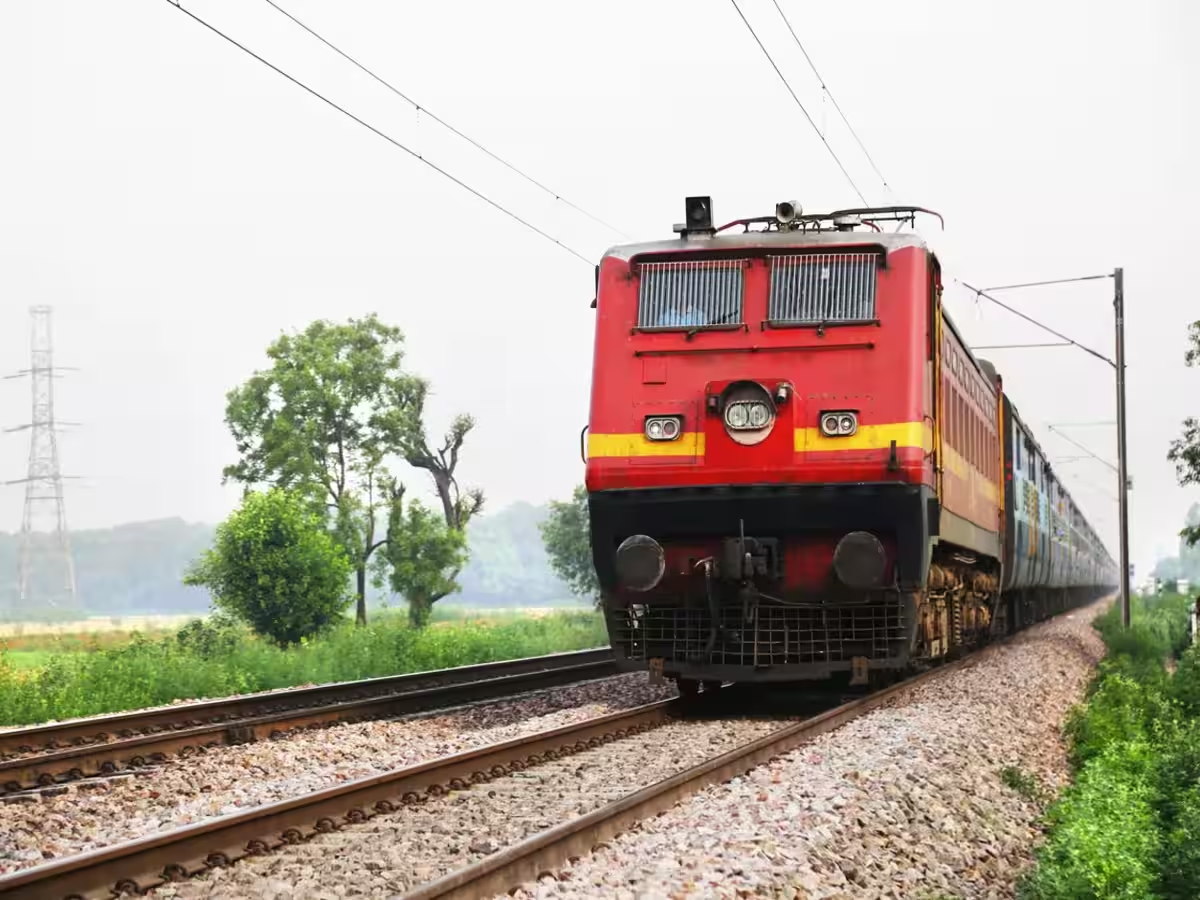
The Pattukkottai–Karaikkudi railway section covers around 71 kilometres in Tamil Nadu. Its electrification marks an important step for railway connectivity in the region.
With this section now electrified, trains operating along the route can use electric locomotives instead of relying on diesel traction. Electric operation also allows trains to continue across electrified routes without requiring a change of locomotive for traction purposes.
The completion of this final section has therefore helped Southern Railway create a fully electrified Broad Gauge network across its zone.
What Full Electrification Means for Train Operations
Railway Electrification can bring several operational benefits to a large railway network. Electric locomotives can operate directly through electrified routes using power supplied through overhead equipment.
One major benefit is the reduction in the need for traction changes between electric and diesel locomotives. This can make train operations more efficient and help improve the use of locomotives.
Full electrification can also reduce dependence on diesel fuel for train operations. As India’s electricity generation increasingly includes renewable energy sources, greater use of electric traction can support the country’s wider efforts to reduce emissions from the transport sector.
Southern Railway’s Broad Gauge Network
Southern Railway is one of the major zones of Indian Railways and covers important railway routes across southern India. Its network connects several important cities, towns, industrial centres and ports.
The completion of electrification across all 5,068 route kilometres of its BG network represents a significant infrastructure achievement for the zone.
Broad Gauge is the main railway gauge used across most of the Indian Railways network. Railway electrification work on these routes allows electric locomotives and electric multiple-unit trains to operate using overhead electrical systems.
India’s Wider Push for Electric Railways
The Southern Railway milestone comes as Indian Railways continues its broader electrification programme. Electrification has become an important part of railway infrastructure development as the national network moves towards cleaner and more efficient train operations.
Electric trains can help reduce the use of diesel locomotives on busy routes. They can also provide advantages in locomotive performance and energy efficiency, particularly on routes with high traffic.
For a large railway system such as India’s, electrification is also closely linked with efforts to improve energy security and reduce exposure to imported fossil fuels.
A Long History of Electric Traction
Southern Railway has a long history of electric railway operations. Electric traction in the Madras area, now Chennai, began in 1931.
The introduction of electric services marked an early step in the development of electric railway transport in India. Over the decades, electric traction expanded to more routes as railway technology and infrastructure developed.
Today, the completion of electrification across Southern Railway’s entire Broad Gauge network represents a major change from the early days of electric traction.
Nilgiri Mountain Railway Remains Different
The Nilgiri Mountain Railway is an important exception to the electrification milestone. The heritage railway is a 46-km metre-gauge line and is recognised as part of the UNESCO World Heritage-listed Mountain Railways of India.
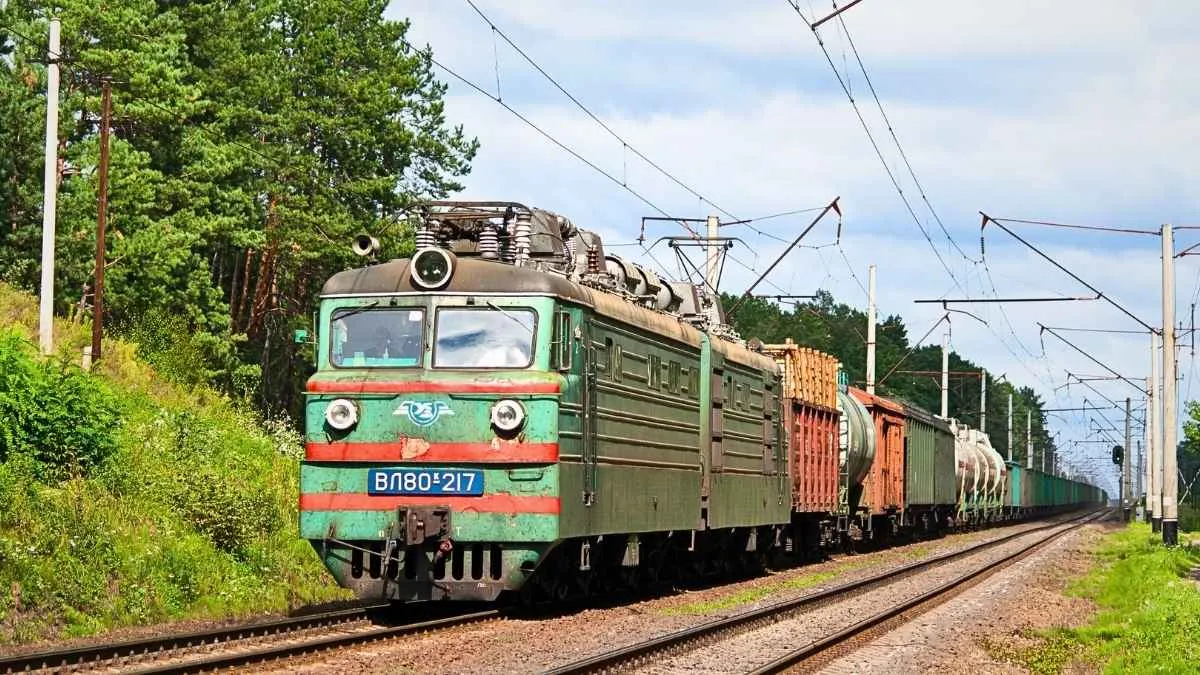
Unlike the Broad Gauge network, the Nilgiri Mountain Railway continues to use heritage steam and diesel traction. Its difficult mountain terrain, steep gradients and historic railway technology make conventional electrification unsuitable for the line.
The railway’s heritage character also means that its traditional operating methods remain an important part of its identity.
Focus on More Efficient Railway Infrastructure
The completion of Railway Electrification across Southern Railway is expected to support smoother electric train operations throughout its Broad Gauge network. It also removes the final electrification gap within the zone’s BG routes.
The development highlights the changing nature of India’s railway system, where electric traction is becoming the standard for an increasing share of train operations. Along with electrification, Indian Railways is also working on modern signalling, higher-speed corridors, station redevelopment and other infrastructure projects.
With all 5,068 route kilometres of Southern Railway’s Broad Gauge network now electrified, the zone has reached another major stage in the modernisation of its railway infrastructure.