
India-US Cable Security Under TRUST

Cable Security has become a new area of cooperation between India and the United States under the US-India TRUST (Transforming the Relationship Utilising Strategic Technologies) Initiative. The two countries are working together to strengthen the security and resilience of undersea cable networks that carry more than 95% of global digital traffic. These cables support internet services, financial transactions, cloud computing, international communications and other parts of the global digital economy.
Cable Security Gains Importance
Undersea cables are a critical part of modern digital infrastructure. Although satellites also provide communication services, most international internet and data traffic travels through fibre-optic cables placed on the seabed.

The growing dependence on these networks has made their protection an important issue for governments and technology companies. Damage to a major cable can affect internet connectivity, financial services, businesses and government communications.
The India-US cooperation aims to address these risks by encouraging stronger protection of subsea infrastructure and improving the ability of networks to continue operating when individual cables are damaged or disrupted.
US-India TRUST Initiative
The TRUST Initiative provides a framework for India and the US to cooperate on strategic and emerging technologies. Its wider areas include secure digital infrastructure, advanced technology and resilient supply chains.
The new focus on undersea cable networks brings government agencies and private-sector companies into discussions about digital infrastructure. The partnership is aimed at developing more reliable systems and reducing risks linked to critical communication networks.
The cooperation is particularly relevant as both countries are increasing their use of cloud services, artificial intelligence, data centres and other technologies that depend on fast international connectivity.
How Undersea Cables Carry Global Data
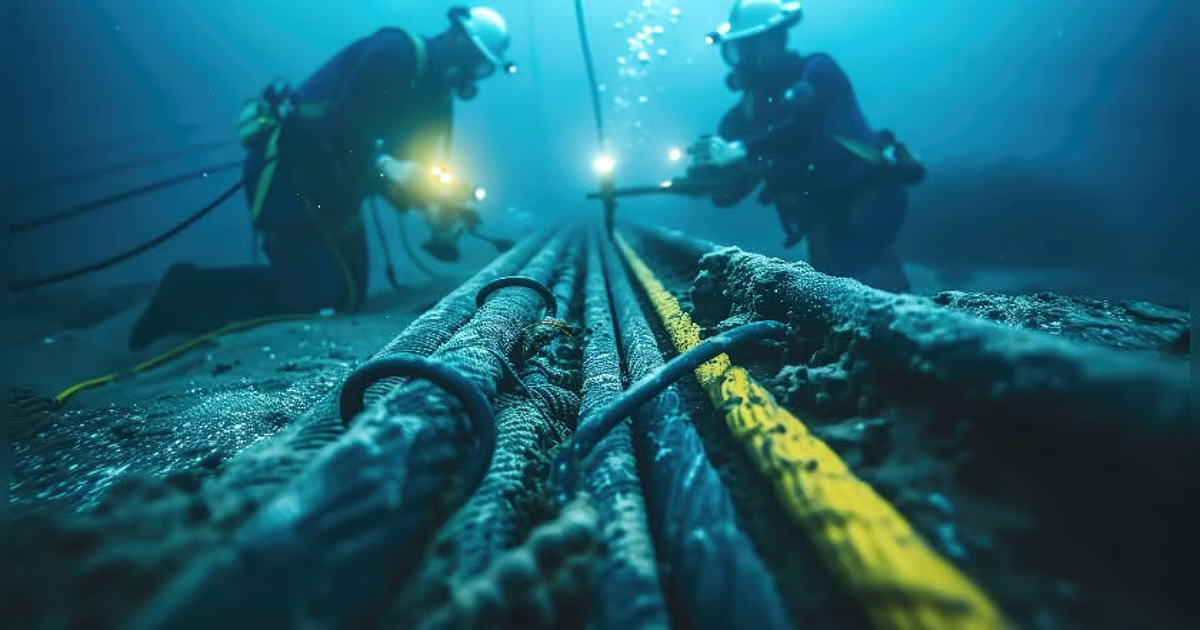
Submarine cables are long fibre-optic systems installed along the seabed between countries and continents. They transmit huge amounts of information using pulses of light through optical fibres.
These networks connect major digital and economic centres around the world. Internet browsing, video calls, financial transactions, cloud applications, business communications and data transfers can all depend on subsea cable connections.
Cable landing stations are another important part of the system. They connect the underwater cables to national telecommunications networks. Protecting both the cables and their landing stations is therefore important for maintaining reliable connectivity.
Risks to Subsea Networks
Cable Security involves several different types of risks. Undersea cables can be damaged accidentally by ships, fishing activity, anchors and other activities in the sea.
There are also concerns about deliberate physical damage, cyberattacks and possible interception of communications. A major disruption can become more serious when a country or region depends heavily on a small number of cable routes.
The India-US cooperation is therefore looking at ways to improve the resilience of these networks. This includes the use of trusted technology providers, greater route diversity and multiple landing stations.
More Cable Routes Can Improve Resilience
One important part of Cable Security is avoiding excessive dependence on a single route. If several independent cables connect a region to the global network, traffic can potentially be redirected when one cable experiences a problem.
Multiple landing stations can provide another layer of protection. If one landing point becomes unavailable, alternative facilities can help maintain connectivity.
The approach is becoming increasingly important in the Indo-Pacific, where several major cable routes connect Asian economies with Europe, North America and other parts of the world.
India’s Growing Digital Infrastructure
India has emerged as a major digital economy, with large numbers of people using online banking, digital payments, cloud platforms and other internet-based services. The country’s expanding technology sector is also increasing demand for international data connectivity.
The growth of artificial intelligence is adding to this demand. AI companies require large amounts of computing power and data, increasing the importance of data centres and high-capacity communication networks.
India’s geographical position also gives it potential to become an important hub for subsea digital infrastructure. Stronger cable connections can support international technology companies, financial services and digital businesses operating from the country.
Indo-Pacific Connectivity
The Indo-Pacific has become an important region for global digital connectivity. Many submarine cable routes pass through or connect countries across the region, making the security of these systems an important economic and strategic issue.
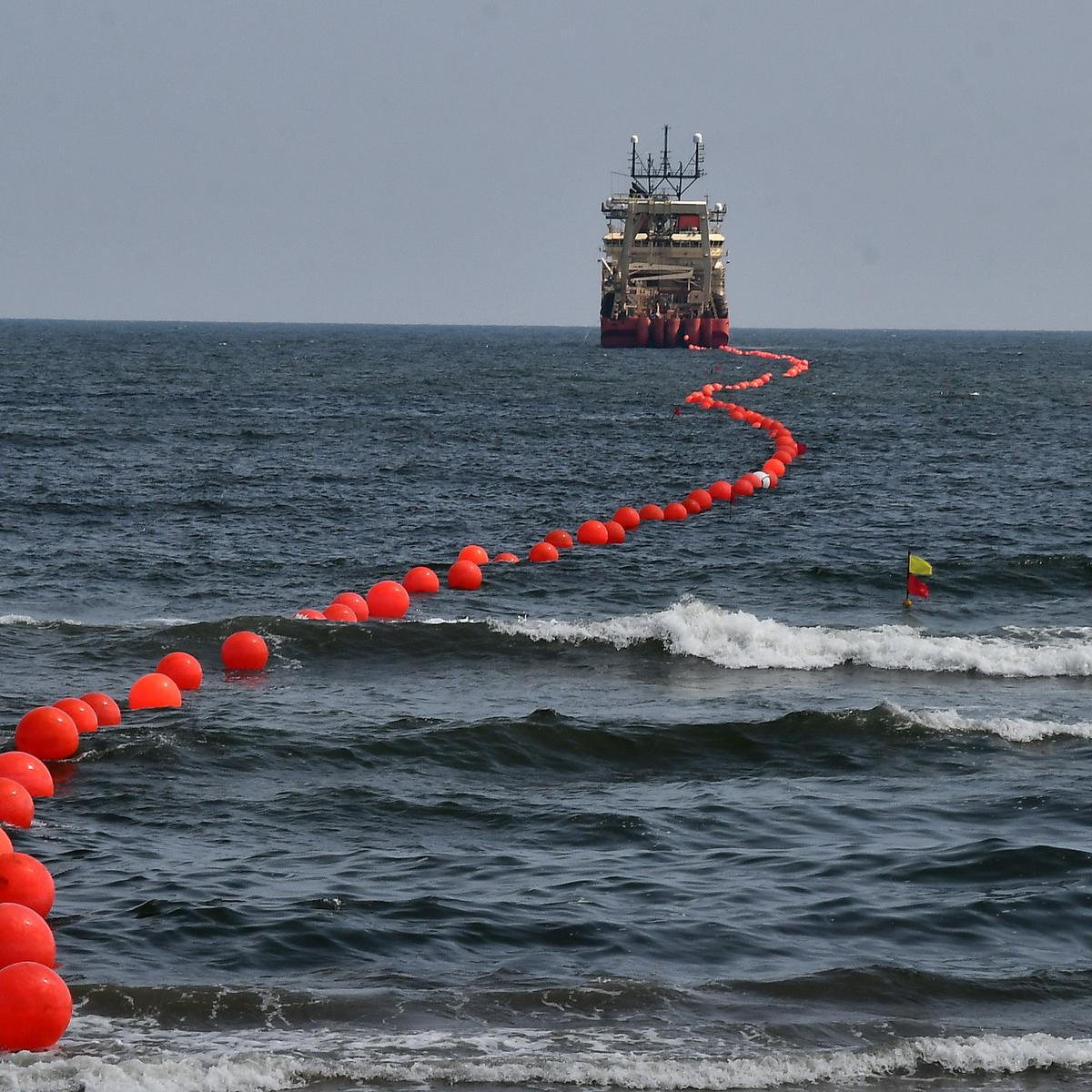
India and the US are working with other partners in the region on stronger and more reliable digital infrastructure. The goal is not only to protect individual cables but also to build networks that can continue functioning during unexpected disruptions.
For businesses, reliable international connectivity is essential because even short disruptions can affect cloud applications, financial systems, communications and online services.
September 2026 Workshop
A workshop held in September 2026 brought together government officials and industry experts to discuss the protection of critical communication infrastructure. Discussions focused on the physical and technological security of undersea cable networks.
The cooperation comes at a time when governments around the world are paying greater attention to the security of critical digital infrastructure. Subsea cables are increasingly being treated as strategic assets because of their role in supporting national economies and international communication.
The India-US partnership under the TRUST Initiative adds another layer to the countries’ growing cooperation in technology and digital infrastructure. It also reflects the wider shift towards building secure, diversified and resilient networks as global dependence on digital services continues to increase.