


Ladakh Protected Monuments: 23 Heritage Sites

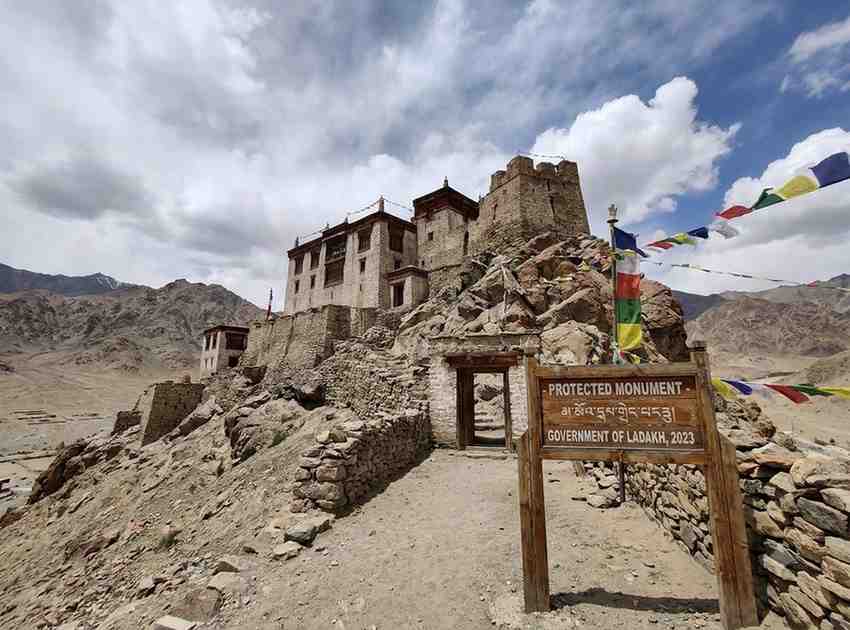
Ladakh Protected Monuments became an important heritage conservation initiative after the Ladakh Administration officially declared 23 heritage sites as Protected Monuments on 30 July 2026. The notification was issued under the Jammu and Kashmir Ancient Monuments Preservation Act, giving these historic sites legal protection for their preservation and conservation. The newly protected locations include petroglyph clusters, rock carvings, ancient caves, Buddhist monasteries, forts, palaces, and rock inscriptions spread across different parts of the Union Territory. The decision aims to preserve Ladakh’s unique cultural, archaeological, and historical heritage while protecting these sites from damage, encroachment, and unauthorised activities.
Ladakh Strengthens Heritage Conservation
The declaration of 23 protected monuments marks a significant step in safeguarding Ladakh’s rich historical legacy.

Ladakh is home to centuries-old monasteries, ancient trade routes, rock art, and archaeological remains that reflect the region’s unique cultural identity. Many of these sites have survived for hundreds or even thousands of years despite harsh weather conditions in the Himalayas.
By granting legal protection, the administration hopes to ensure that these valuable monuments remain preserved for future generations while promoting responsible heritage management.
What Is a Protected Monument?
A Protected Monument is a historical structure, archaeological site, or cultural landmark that receives legal protection under a heritage conservation law.
Once a monument is officially notified as protected, authorities can regulate activities around it to prevent:
- Illegal construction
- Encroachment
- Unauthorised alterations
- Damage to the site
Protected status also allows experts to carry out scientific conservation, restoration, and documentation of monuments while preserving their original character.
Such legal protection plays an important role in conserving important heritage assets across India.
Heritage Sites Included in the List
The 23 notified sites represent different periods of Ladakh’s long and diverse history.
The list includes:
- Petroglyph clusters
- Rock carvings
- Ancient caves
- Buddhist monasteries
- Historic forts
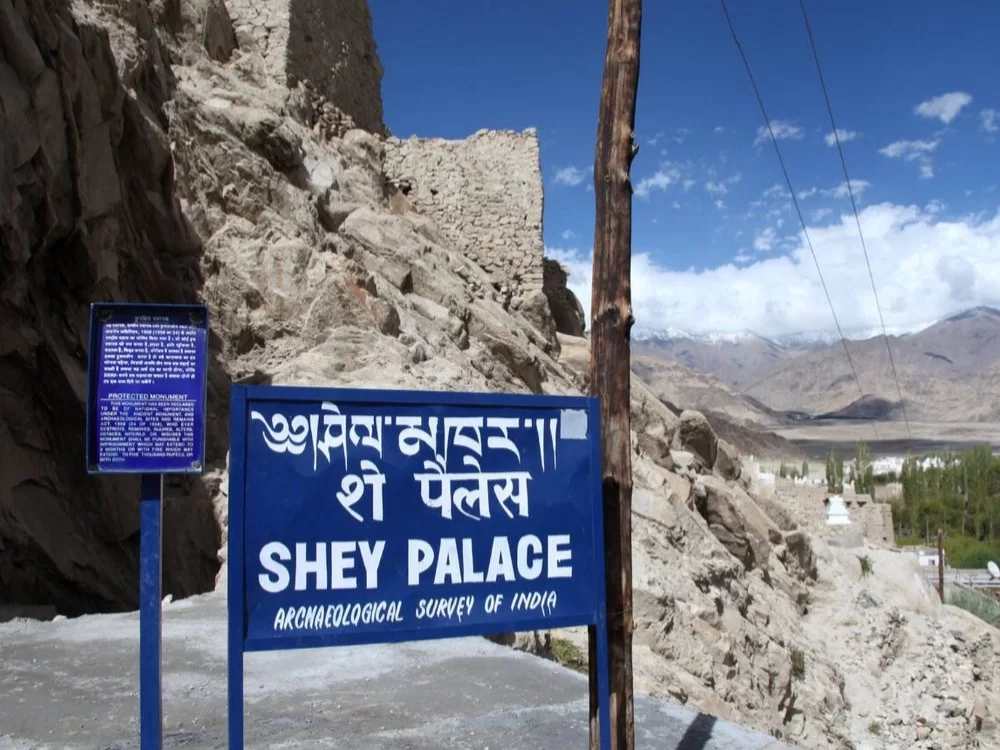
- Ancient palaces
- Rock inscriptions
- Archaeological remains
These monuments provide valuable information about Ladakh’s religious traditions, trade networks, settlement history, and artistic heritage.
Many of them have become important attractions for visitors interested in history and culture.
Important Sites Now Protected
Several well-known heritage locations are included in the newly notified list.
Among them are:
- Petroglyph Site at Sharnos
- Maitreya Buddha Rock Carving at Shey near Sindhu Ghat
- Tingmosgang Fort
- Ancient Caves at Saspol
- Stongday Gonpa
- Sumoor Fort
- Rock Inscriptions at Yourbaltak in Kargil
Each of these sites represents a different chapter in Ladakh’s historical development and contributes to understanding the region’s archaeological record.
Understanding Petroglyphs
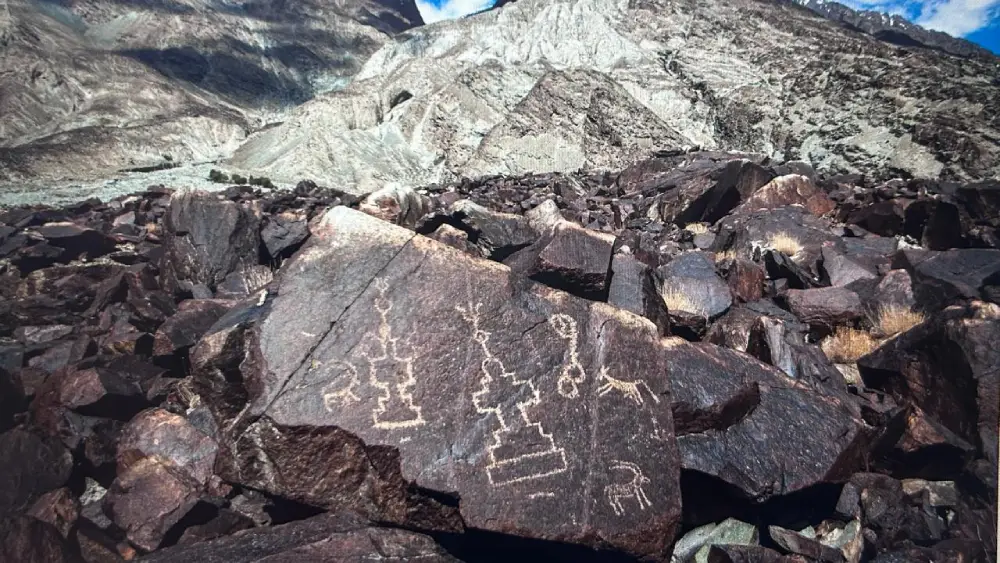
One of the most fascinating categories included in the notification is petroglyphs.
Petroglyphs are images carved or engraved directly onto rocks by prehistoric or early historic communities.
These rock carvings often show:
- Animals
- Human figures
- Hunting scenes
- Religious symbols
- Daily life
- Ancient scripts
Archaeologists study petroglyphs to learn about the lifestyles, beliefs, and cultures of early societies.
Ladakh contains many important petroglyph sites because it was historically located along ancient trade routes connecting Central Asia, Tibet, and the Indian subcontinent.
Role of Gompas in Ladakh
Several gompas, or Buddhist monasteries, are also included among the protected monuments.
The word gompa is commonly used in Tibetan Buddhist culture to describe a monastery.
These monasteries have served as:
- Religious centres
- Educational institutions
- Cultural hubs
- Repositories of ancient manuscripts
- Homes for Buddhist art and architecture
Many gompas in Ladakh are several centuries old and continue to play an important role in preserving Buddhist traditions.
Why Ancient Caves and Rock Inscriptions Matter
Ancient caves and rock inscriptions provide valuable evidence about the region’s early history.
Archaeologists use these sites to study:
- Ancient settlements
- Religious practices
- Trade routes
- Languages
- Political history
Rock inscriptions often contain names, dates, prayers, or official records that help researchers better understand historical events.
Similarly, cave sites reveal information about how people lived and travelled through the Himalayan region in earlier centuries.
Legal Protection and Conservation
The notification gives the administration greater authority to protect these monuments.
Under the heritage law, officials can now:
- Regulate activities near protected sites
- Prevent illegal encroachments
- Carry out conservation work
- Prepare scientific documentation
- Restore damaged structures
Many historic monuments naturally deteriorate over time because of weather, erosion, earthquakes, and human activity.
Legal protection makes it easier for conservation experts to preserve these structures using approved restoration methods.
Heritage Law Used in Ladakh
The declaration has been made under the Jammu and Kashmir Ancient Monuments Preservation Act.
This heritage protection law provides the legal framework for:
- Identifying important monuments
- Official notification
- Preservation
- Maintenance
- Regulation of nearby activities
Such legislation helps governments protect monuments that hold archaeological, artistic, architectural, or historical importance.
The law also encourages planned conservation while maintaining the authenticity of heritage sites.
Rich Cultural Heritage of Ladakh
Ladakh has one of the richest cultural landscapes in the Himalayan region.
The Union Territory is known for:
- Ancient Buddhist monasteries
- Historic forts
- Royal palaces
- Rock art
- Cave complexes
- Traditional settlements
Its unique location along historic trade routes helped create a blend of Indian, Tibetan, Central Asian, and Buddhist cultural influences.
Since becoming a Union Territory on 31 October 2019, Ladakh has placed increasing emphasis on preserving its archaeological and cultural heritage alongside tourism and sustainable development.
A Major Step Towards Preserving Ladakh’s History
The declaration of Ladakh Protected Monuments represents an important effort to safeguard the Union Territory’s archaeological and cultural treasures. By granting legal protection to 23 historic sites, including petroglyphs, monasteries, forts, caves, and rock inscriptions, the administration has strengthened the framework for long-term conservation. The notification also allows scientific restoration, better documentation, and protection against encroachment, ensuring that Ladakh’s remarkable historical heritage continues to be preserved for future generations while supporting responsible cultural tourism and research.