Fuel Excise Duty Cut Brings Relief on Petrol and Diesel Prices

The Government of India has announced a major Fuel Excise Duty Cut to reduce the burden of rising fuel prices. This decision comes at a time when global crude oil prices are increasing due to tensions in West Asia. The move aims to protect both consumers and public sector oil companies from financial stress.
Thank you for reading this post, don't forget to subscribe!Fuel Excise Duty Cut Impact on Prices
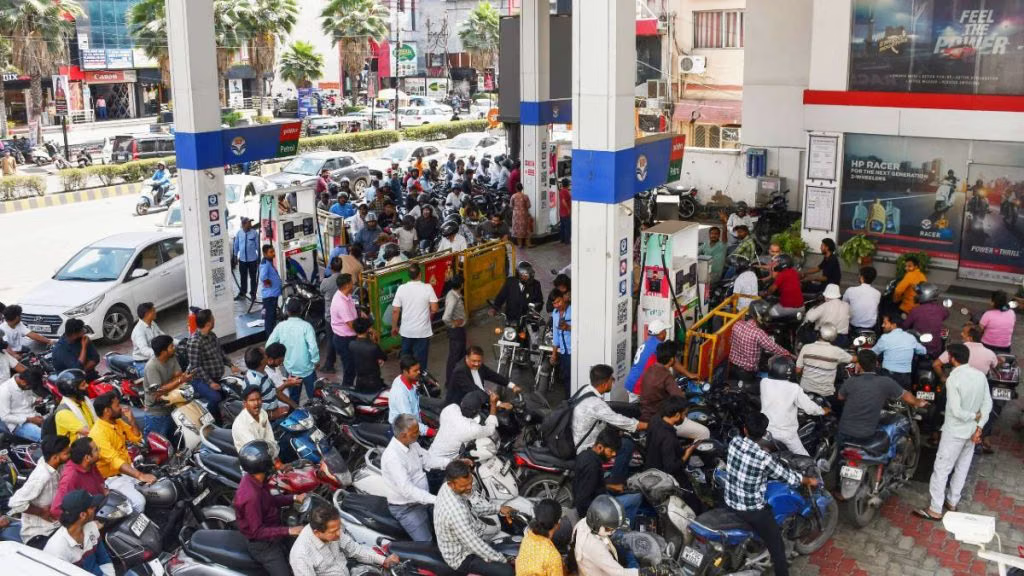
Under the Fuel Excise Duty Cut, the government has reduced the excise duty on petrol and diesel by ₹10 per litre. This step is expected to lower retail fuel prices across the country. It also helps oil companies that were facing heavy losses due to high global crude costs.
Major oil companies like Indian Oil Corporation, Hindustan Petroleum, and Bharat Petroleum were reportedly losing heavily per litre on fuel sales. The duty cut will help reduce these losses significantly.
Revenue Impact of Fuel Excise Duty Cut
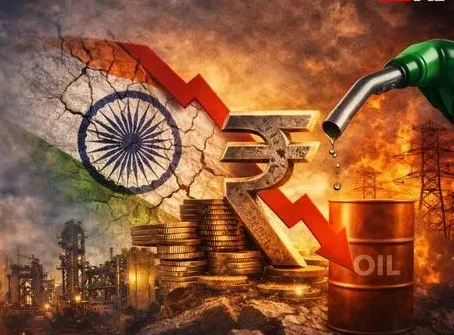
The Fuel Excise Duty Cut will have a big impact on government revenue. It is estimated that the government may lose around ₹1.3 lakh crore in total. In the short term, the loss could be over ₹7,000 crore.
To manage this financial gap, the government has taken additional steps like introducing export duties on petroleum products. This shows a balanced approach between giving relief to citizens and managing public finances.
Windfall Tax and Export Duty Measures
Along with the Fuel Excise Duty Cut, the government has introduced a windfall tax to control excessive profits. Export duty has been imposed at ₹21.5 per litre on diesel and ₹29.5 per litre on aviation turbine fuel (ATF).
These measures aim to reduce excessive exports and ensure enough fuel supply within India. The windfall tax is expected to generate about ₹1,500 crore in the initial phase and will be reviewed regularly.
Global Oil Price Situation
The rise in global crude oil prices has played a key role in the Fuel Excise Duty Cut decision. Prices increased sharply from about $69 per barrel in February to over $111 in March. This sudden rise has affected fuel prices worldwide, including in India.
Since India imports a large portion of its crude oil, it is highly sensitive to global price changes. The government’s move is seen as a step to protect the domestic market from global volatility.
Political and Economic Reactions
The Fuel Excise Duty Cut has received mixed reactions. The government has described it as a people-friendly decision aimed at providing relief during global uncertainty. However, some opposition parties have criticised the move, calling it politically timed.
Officials have maintained that the decision is necessary to support both consumers and oil companies during a challenging period in the global energy market.