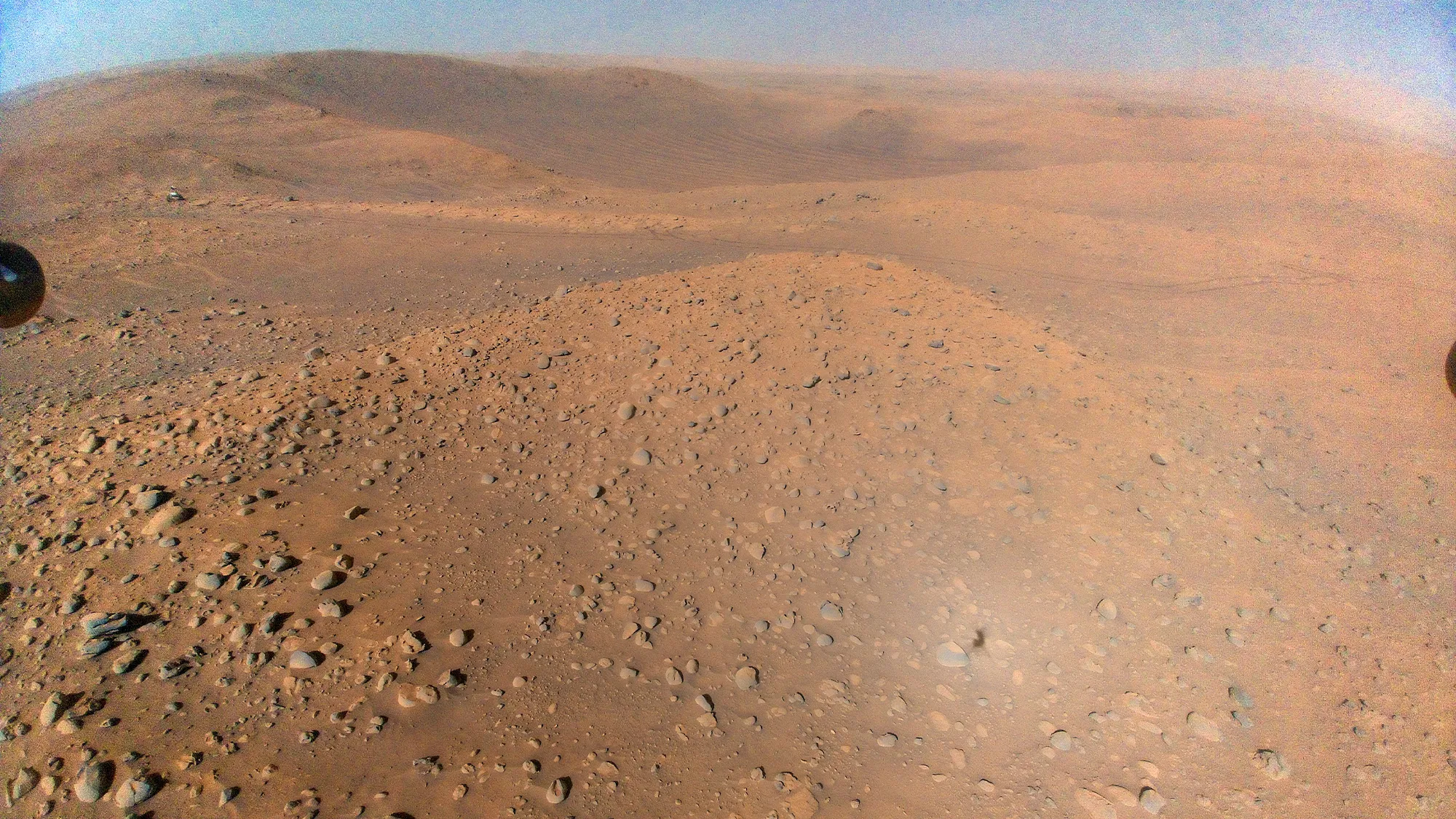
Mars Carbon Discovery by NASA

Mars Carbon Discovery is making headlines as NASA announced that its rover has detected complex carbon molecules on Mars. On 24 June 2026, the Perseverance rover found these compounds in rock samples collected from a region known as Bright Angel.
Thank you for reading this post, don't forget to subscribe!This discovery is important because carbon is a key element linked to life. While it does not confirm life on Mars, it opens new possibilities for understanding the planet’s past.
The Perseverance Mission on Mars
The Perseverance rover landed on Mars in 2021 and has been exploring the surface since then. It is studying rocks, soil, and atmosphere to understand whether Mars once supported life.
The rover is currently working in Jezero Crater, a location believed to have once contained a lake. Scientists chose this site because it may hold clues about ancient water activity and possible life forms.
The discovery of carbon molecules adds to the importance of this mission.
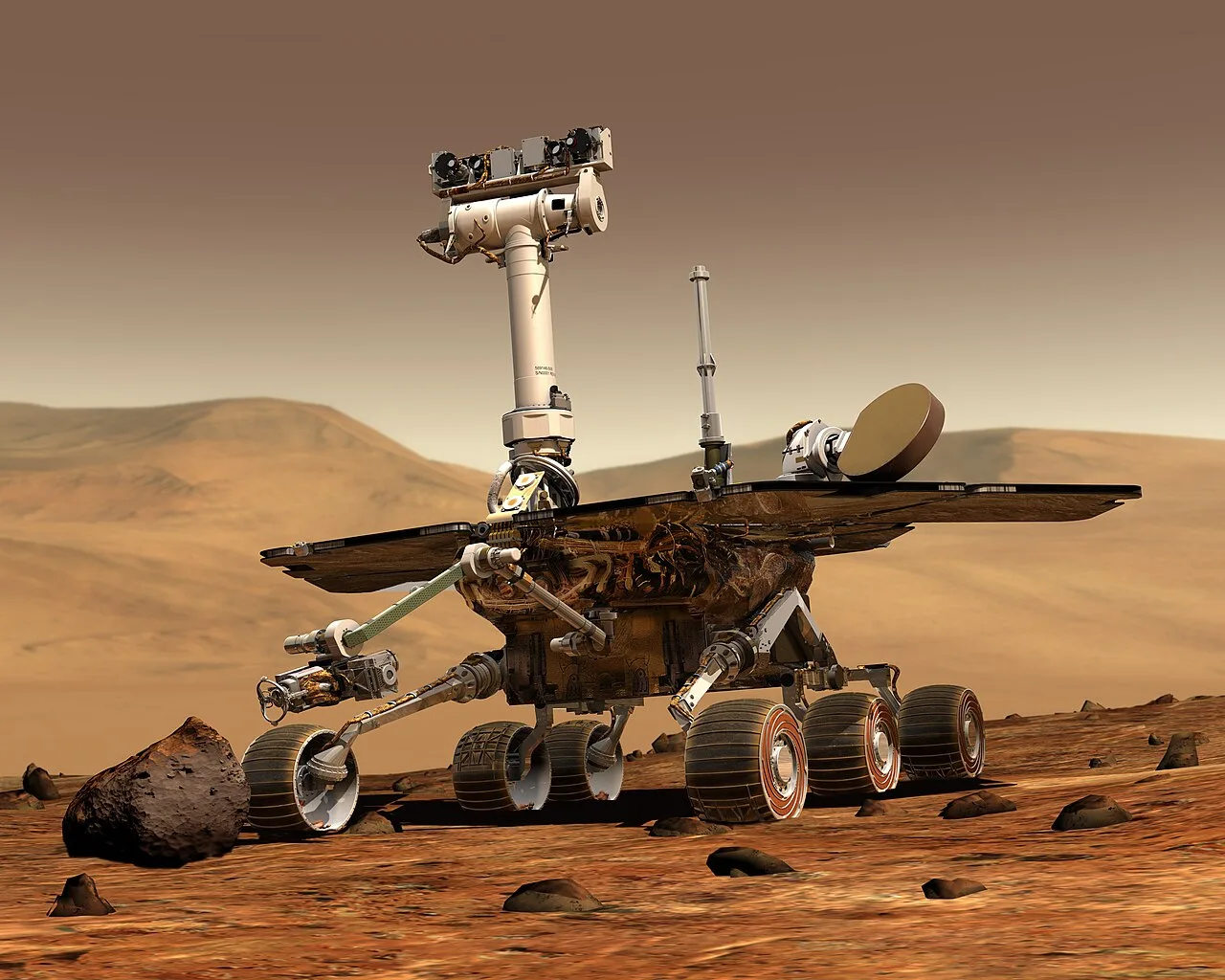
Where the Carbon Was Found
The complex carbon molecules were detected in rocks from the Bright Angel outcrop, located in Neretva Vallis. These rocks are known as mudstones, which form from fine sediments deposited in water.
This suggests that the area may have had a wet environment in the past. Water is considered essential for life, making such findings highly valuable for researchers.
Different types of minerals were found along with the carbon, showing that these materials formed at different times.
What is Macromolecular Carbon
Macromolecular carbon refers to large and complex structures made mainly of carbon atoms. These are more advanced than simple carbon compounds and are often associated with organic chemistry.
On Earth, such molecules are commonly linked to biological processes, but they can also form through non-living chemical reactions.
The presence of these molecules on Mars does not prove life, but it does suggest that the planet had the right conditions for complex chemistry.
Mars Carbon Discovery highlights a major step in space research as scientists continue to explore the possibility of ancient life on Mars. The detection of complex carbon molecules by NASA’s rover suggests that the planet once had conditions suitable for advanced chemical processes, making it an important focus for ongoing missions and future exploration efforts.
Role of Advanced Instruments
The detection was made using a special instrument called SHERLOC on the Perseverance rover. This tool uses light-based techniques to identify chemicals and minerals in rocks.
By scanning the surface, SHERLOC can detect even small traces of organic compounds. This helps scientists study the composition of Martian rocks in detail.
Such advanced technology plays a key role in modern space exploration.
Earlier Signs and Unique Features
The Bright Angel area had already attracted attention in earlier studies. In 2024, scientists noticed unusual patterns on rocks, often described as “leopard spots.”
These patterns were studied as possible biosignatures, which are signs that might indicate past life. While no final answer has been confirmed, the new carbon discovery adds more interest to this region.
It shows that Mars still holds many secrets waiting to be explored.
Comparison with Past Discoveries
This is not the first time carbon has been found on Mars. Earlier missions like the Curiosity rover also detected organic molecules in different regions.
However, the current Mars Carbon Discovery is considered one of the strongest findings so far in Jezero Crater. It is also unique because it was found directly on natural rock surfaces.
Such discoveries help scientists compare different regions of Mars and understand its history better.
Challenges in Confirming Life
Even though carbon is a key ingredient for life, its presence alone is not enough to confirm biological activity. Scientists need more detailed analysis to determine how these molecules were formed.
One of the challenges is that advanced testing requires samples to be studied on Earth. The Perseverance rover has already collected samples that could be returned in the future.
However, plans for sample return missions have faced delays and changes.
Importance for Future Research
The Mars Carbon Discovery is a major step forward in planetary science. It shows that Mars had complex chemical processes that may have supported life in the past.
This discovery also supports ongoing efforts to explore Mars further. Future missions may focus on collecting more samples and studying different regions.
The findings are also important for understanding how planets evolve over time.

Growing Interest in Space Exploration
The discovery comes at a time when global interest in space exploration is rising. Countries and space agencies are investing in missions to explore planets, moons, and asteroids.
Mars remains one of the top targets because of its similarities to Earth and its potential to reveal clues about life beyond our planet.
The Mars Carbon Discovery highlights how technology and science are coming together to answer some of the biggest questions about the universe.