


Desert Safari Gujarat Project Gets Approval

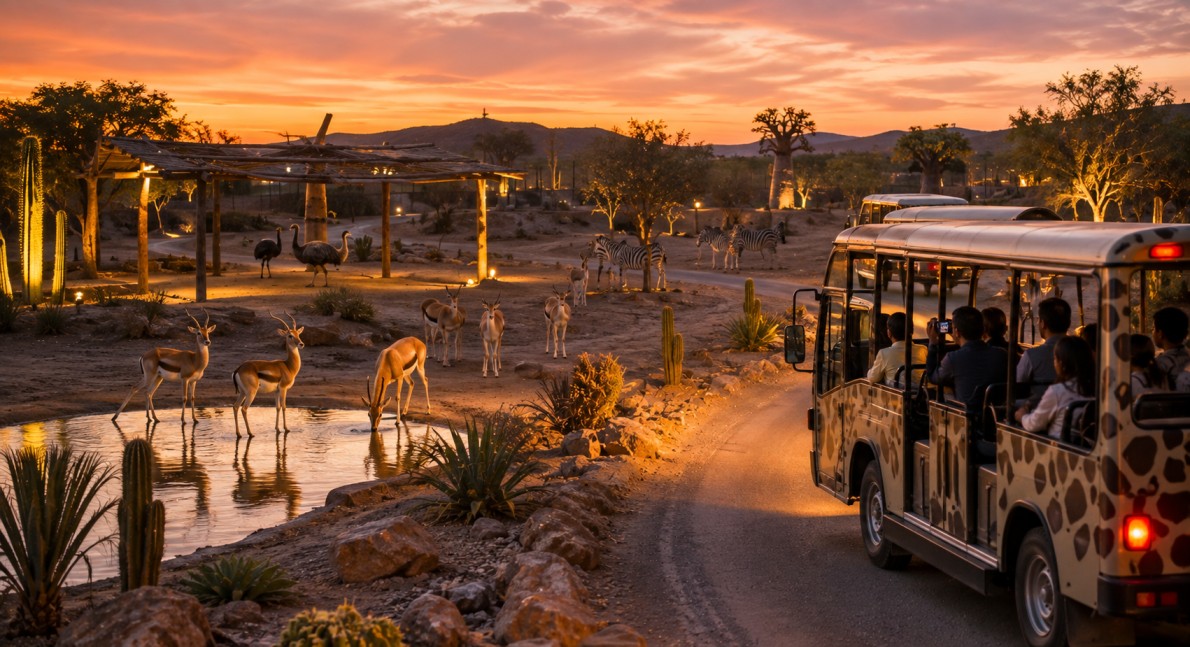
Desert Safari Gujarat is set to get a major new wildlife and tourism attraction at Juna Deesa in Banaskantha district. The proposed Desert Zoological Park and Night Safari has received approval from the Central Zoo Authority, according to the information provided for the project. The facility is planned across around 103 hectares of contiguous government land and is being developed as a desert-themed drive-through night safari.
Thank you for reading this post, don't forget to subscribe!The project is expected to combine wildlife viewing with conservation, environmental education and tourism. Its location in northern Gujarat also gives it a strong connection with the state’s dry and semi-arid landscape.
A Large Wildlife and Tourism Facility
The proposed project has an estimated cost of ₹542.14 crore. Plans include a day zoo as well as five separate night-safari enclosures.
The facility is expected to accommodate around 2,700 animals and birds representing nearly 83 species. The proposed collection includes Indian wildlife as well as selected species from other parts of the world.
A drive-through safari allows visitors to observe animals from vehicles while the animals remain within managed habitats. The night-safari component is designed to offer visitors an opportunity to observe species that are more active after sunset.
Juna Deesa in Banaskantha
Juna Deesa is located in Banaskantha district in northern Gujarat. The area is part of a landscape known for its dry and semi-arid conditions.
The proposed desert theme is intended to reflect the environmental character of the region. Such a setting can also help visitors understand how animals survive in landscapes where water, vegetation and shelter can be limited.
The project is being developed under the Gujarat Forest Department, with the Central Zoo Authority playing a regulatory role in the approval of the zoo proposal.
Indian and International Animals Planned
The proposed animal collection includes several Indian species associated with dry and semi-arid habitats. These include chinkara, blackbuck and Indian wild ass.
The plan also includes selected animals from other continents. African species such as cheetahs, giraffes and zebras are proposed, along with Australian animals including kangaroos and emus.
The inclusion of different species is expected to give the facility a broader wildlife experience. At the same time, proper enclosure design and animal welfare standards will be important as the project develops.
Focus on Conservation and Rescue
The proposed facility is not planned only as a tourist attraction. Conservation breeding, wildlife rescue and rehabilitation are also part of its objectives.
Zoological parks can support conservation work by providing managed environments for animals, supporting breeding programmes for selected species and creating opportunities for research and public awareness.
The project is also expected to provide environmental education. Visitors could learn about desert and semi-arid ecosystems, wildlife behaviour, habitat protection and the importance of conserving natural resources.
Green Features Planned
The Desert Zoological Park and Night Safari is also expected to use several environmental management systems.
The plans include rainwater harvesting, solar energy, sewage treatment and solid waste management. These features are important for a large facility because wildlife parks require significant quantities of water and energy for animal care, visitor services and daily operations.
Using renewable energy and water-management systems could help reduce the environmental footprint of the facility as it develops.
Night Safari Adds a New Experience
The night safari is one of the most distinctive parts of the proposal. Unlike a traditional zoo visit, a night safari allows visitors to experience wildlife after sunset.
Many animals change their behaviour during the night. Some species become more active, while others remain hidden during daylight hours. Controlled visitor movement and appropriate lighting are therefore important for ensuring that animals are not disturbed.
The planned five night-safari enclosures are expected to create different viewing areas within the larger wildlife project.
Boost for Gujarat Wildlife Tourism
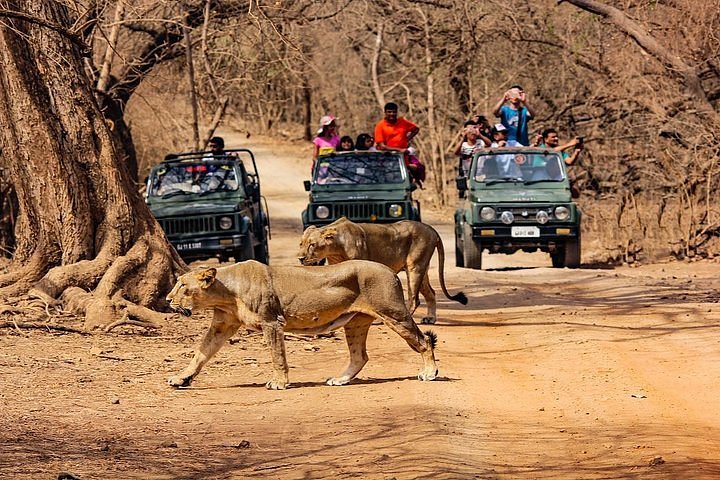
The project could also strengthen Gujarat’s growing wildlife and eco-tourism sector. Gujarat already attracts visitors to destinations featuring lions, wild asses, blackbuck and other wildlife.
A large desert-themed safari in Banaskantha could create another attraction in northern Gujarat and potentially generate employment in tourism, transport, hospitality and related services.
As the project moves forward, construction, animal housing, conservation facilities and visitor infrastructure will determine how the Desert Safari Gujarat project develops and when it can eventually open to the public.