Denmark March 24 Election: Prime Minister Seeks Renewed Mandate Amid Greenland Tensions

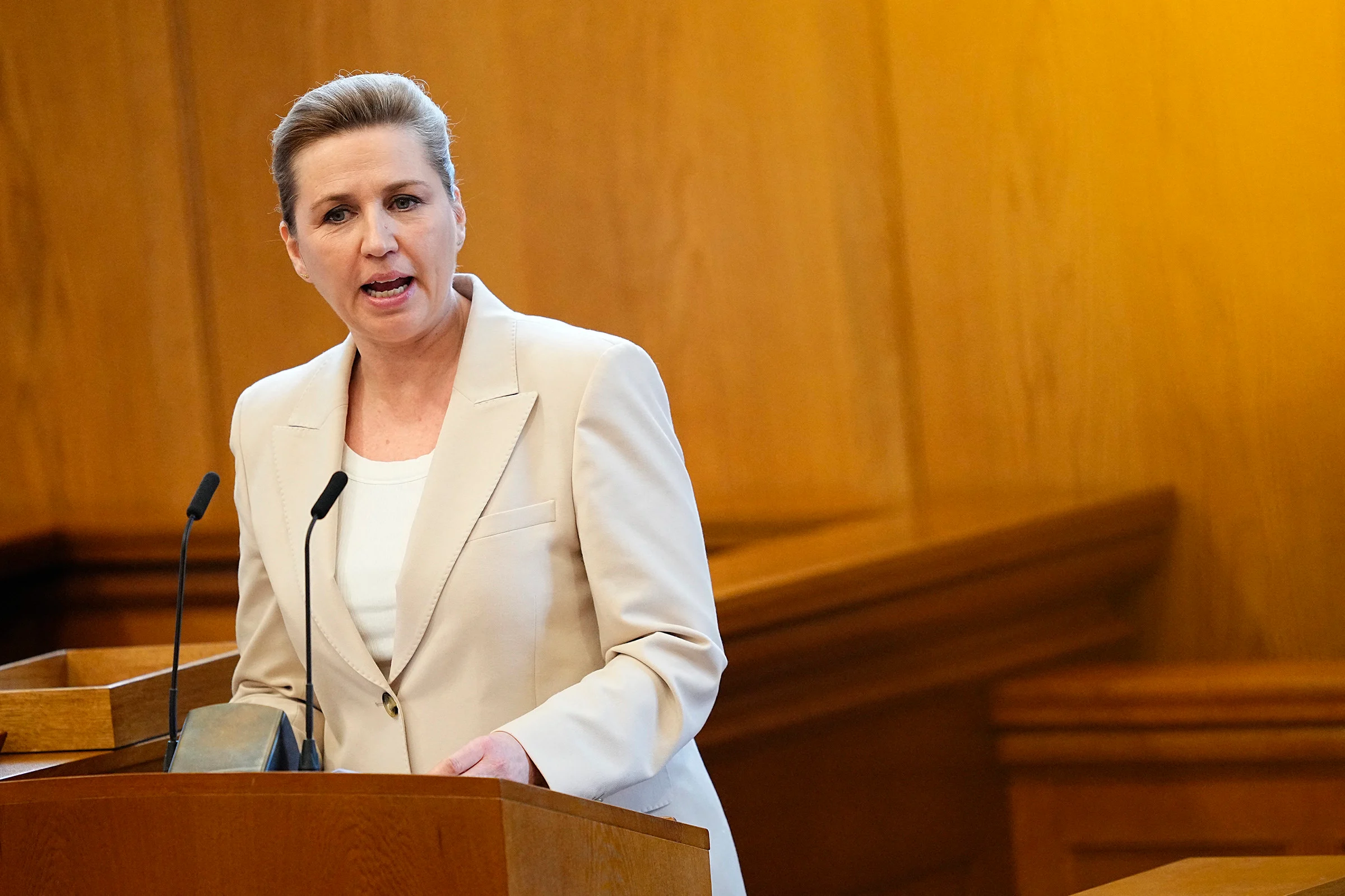
The Denmark March 24 election will determine whether Prime Minister Mette Frederiksen can secure a renewed mandate as voters consider both domestic issues and international challenges. The snap election comes at a time of heightened attention on Greenland, an autonomous territory within the Kingdom of Denmark, following renewed interest from the United States in the Arctic region. Frederiksen aims to strengthen her leadership credentials and convince voters that her government can manage both national security and everyday concerns effectively.
Thank you for reading this post, don't forget to subscribe!Greenland Tensions Take Centre Stage
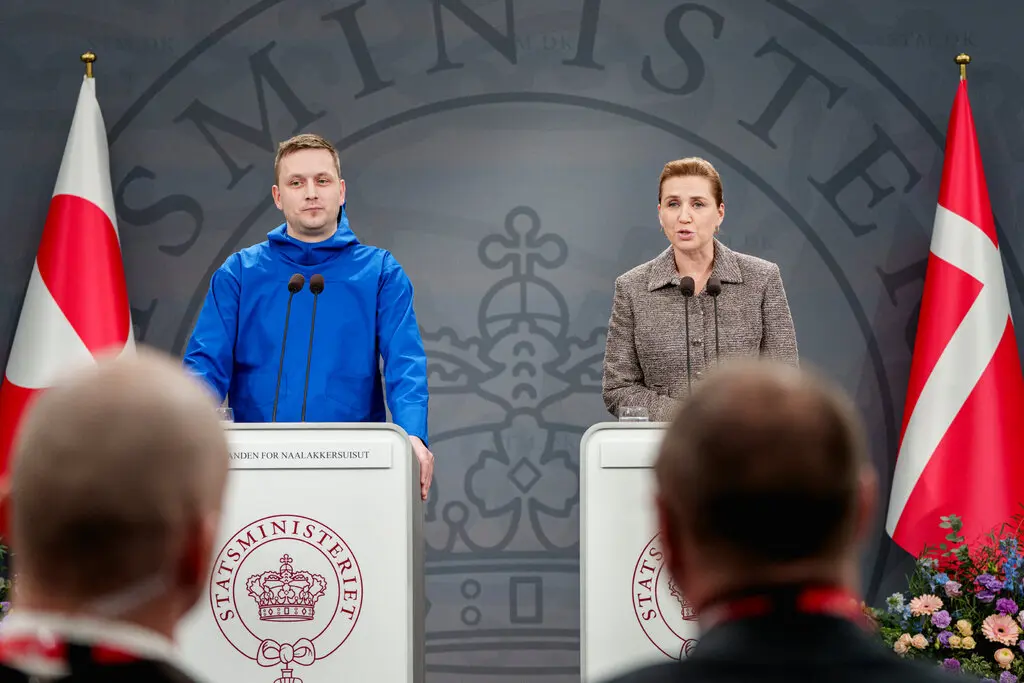
The campaign narrative for the Denmark March 24 election is heavily influenced by the situation in Greenland. The Arctic territory’s strategic importance, from shipping routes to natural resources, has made it a focal point of international diplomacy. Statements by former US President Donald Trump regarding Greenland had earlier caused friction, prompting Frederiksen to adopt a firm stance on Danish sovereignty. She has repeatedly emphasized that Denmark and Europe must “stand on their own feet” in the coming years, highlighting the importance of national security and defence investments.
This international focus has bolstered Frederiksen’s profile, complementing her leadership record during the COVID-19 pandemic and Denmark’s support for Ukraine. By positioning herself as a defender of Danish interests abroad, she hopes to attract voters who value strong leadership on security and foreign policy.
Coalition Government Faces Electoral Pressure
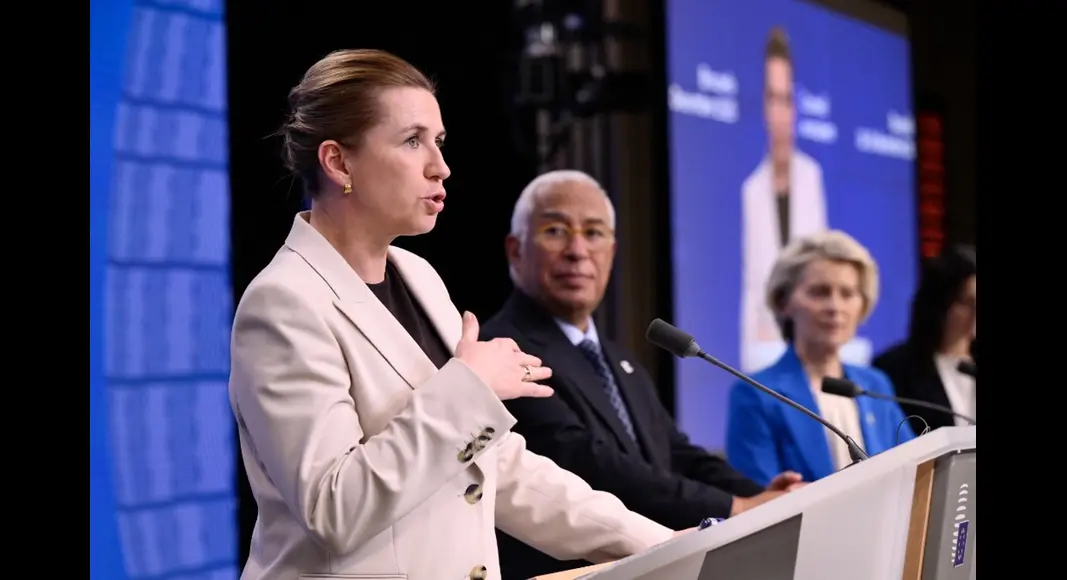
Denmark’s current government is a cross-partisan coalition formed in 2022, comprising the Social Democrats, the Liberal Party, and the Moderates. Initially created as a crisis government, the coalition now faces the risk of losing its parliamentary majority. The Social Democrats, led by Frederiksen, saw their support fall sharply after the 2025 municipal elections, including the loss of the Copenhagen mayoralty.
Polling numbers show fluctuations, with support dipping to 17% in late 2025 but recovering to around 22% ahead of the March 24 election. Despite this improvement, the party remains below the 28% it secured in the 2022 general election. The coalition’s performance on domestic issues, including welfare, public services, and economic policies, will be a crucial factor for voters deciding in this election.
Domestic Issues and Public Concerns
While international affairs dominate headlines, domestic issues remain highly significant for Danish voters. Rising food prices, inequality, welfare services, and immigration policies are central concerns. The government’s 2023 decision to abolish the Great Prayer Day public holiday to fund higher defence spending was controversial, despite widespread public support for increased military investment.
Many voters are assessing how well the government balances security priorities with everyday economic and social issues. Frederiksen’s leadership on domestic matters will therefore play a significant role in shaping electoral outcomes on March 24.
Immigration and Policy Directions
Immigration policy is another key area influencing voter decisions in the Denmark March 24 election. Frederiksen’s Social Democrats historically emphasized strict immigration rules, which contributed to their 2019 electoral success. However, recent proposals to ease deportation rules for certain foreign nationals have introduced a debate about Denmark’s obligations under European human rights frameworks.
Voters will need to weigh whether national security leadership or domestic policy performance is more important in determining Denmark’s next government. Frederiksen’s handling of both issues could influence her party’s ability to secure a majority and maintain influence in the Folketing, Denmark’s unicameral parliament.
Strategic Importance of the Arctic
Greenland’s status as an autonomous territory within Denmark has elevated the Arctic region’s strategic importance. Shipping routes, mineral resources, and geopolitical considerations make the area central to both Danish and European policy. Frederiksen has repeatedly stressed the need to strengthen defence capabilities and redefine relations with the United States, arguing that Denmark must be prepared for future challenges without relying solely on external powers.
The focus on Greenland has given Frederiksen an opportunity to highlight her international leadership credentials, appealing to voters who prioritize security, defence, and Denmark’s sovereignty in global affairs.
Public Opinion Ahead of the Election
Recent opinion surveys suggest that Frederiksen’s assertive international stance has helped rebuild her political support. While domestic challenges remain, including pressures on welfare and cost-of-living concerns, the electorate appears responsive to a leadership image emphasizing Denmark’s sovereignty and proactive engagement in international issues. The March 24 vote will therefore be a key indicator of public priorities, balancing domestic concerns with foreign policy leadership.
What Voters Need to Know
- Greenland is an autonomous territory within the Kingdom of Denmark.
- Denmark operates as a constitutional monarchy with a unicameral parliament called the Folketing.
- The Arctic region holds strategic importance due to shipping routes and natural resources.
- Denmark is a founding member of NATO and the European Union.
- Immigration policies and welfare issues remain central to domestic debates.
The Denmark March 24 election is shaping up as a complex contest that combines national security concerns, international diplomacy, and domestic policy priorities. Voters will be closely watching how parties address both Greenland’s strategic significance and everyday issues affecting their lives.