US-Israel Strikes Raise Iran Regime Change Tensions Across West Asia

US-Israel Strikes Raise Iran Regime Change has become the central focus of global attention after coordinated military action by the United States and Israel targeted key political and military sites in Iran. The strikes have sharply increased tensions in West Asia and sparked serious debate over whether the real goal goes beyond military deterrence and points toward regime change in Tehran.
Thank you for reading this post, don't forget to subscribe!The operation reportedly targeted senior Iranian leadership and major military infrastructure. Among those mentioned in reports were Iran’s Supreme Leader Ayatollah Ali Khamenei and President Masoud Pezeshkian. While official confirmation about direct hits on top leaders remains unclear, the scale of the attack has shaken the region.
Operation Lion’s Roar and Epic Fury
Israel named its campaign Operation Lion’s Roar, while the United States referred to its involvement as Operation Epic Fury. The strikes reportedly hit areas around the offices of Ayatollah Ali Khamenei and several strategic military facilities.
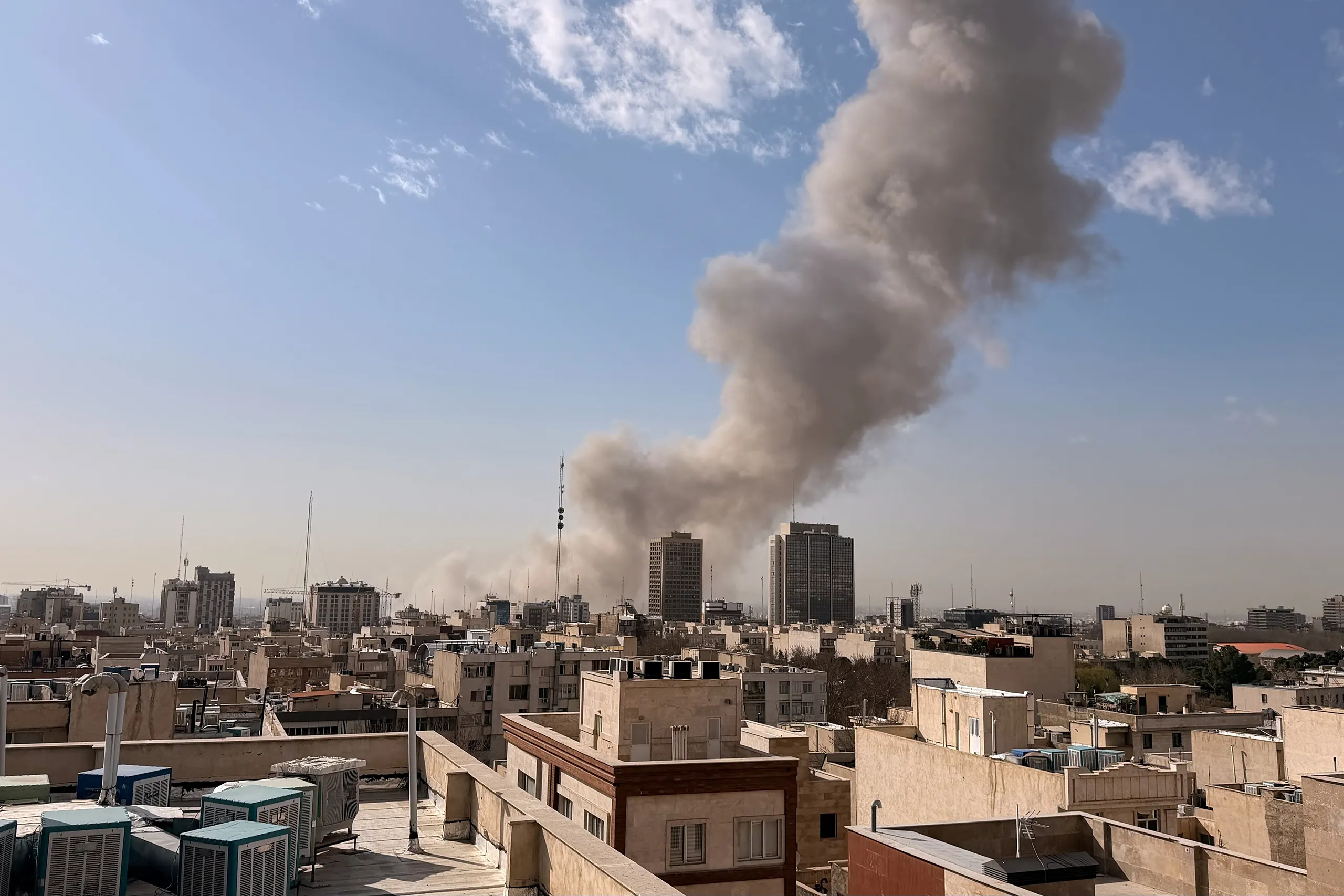
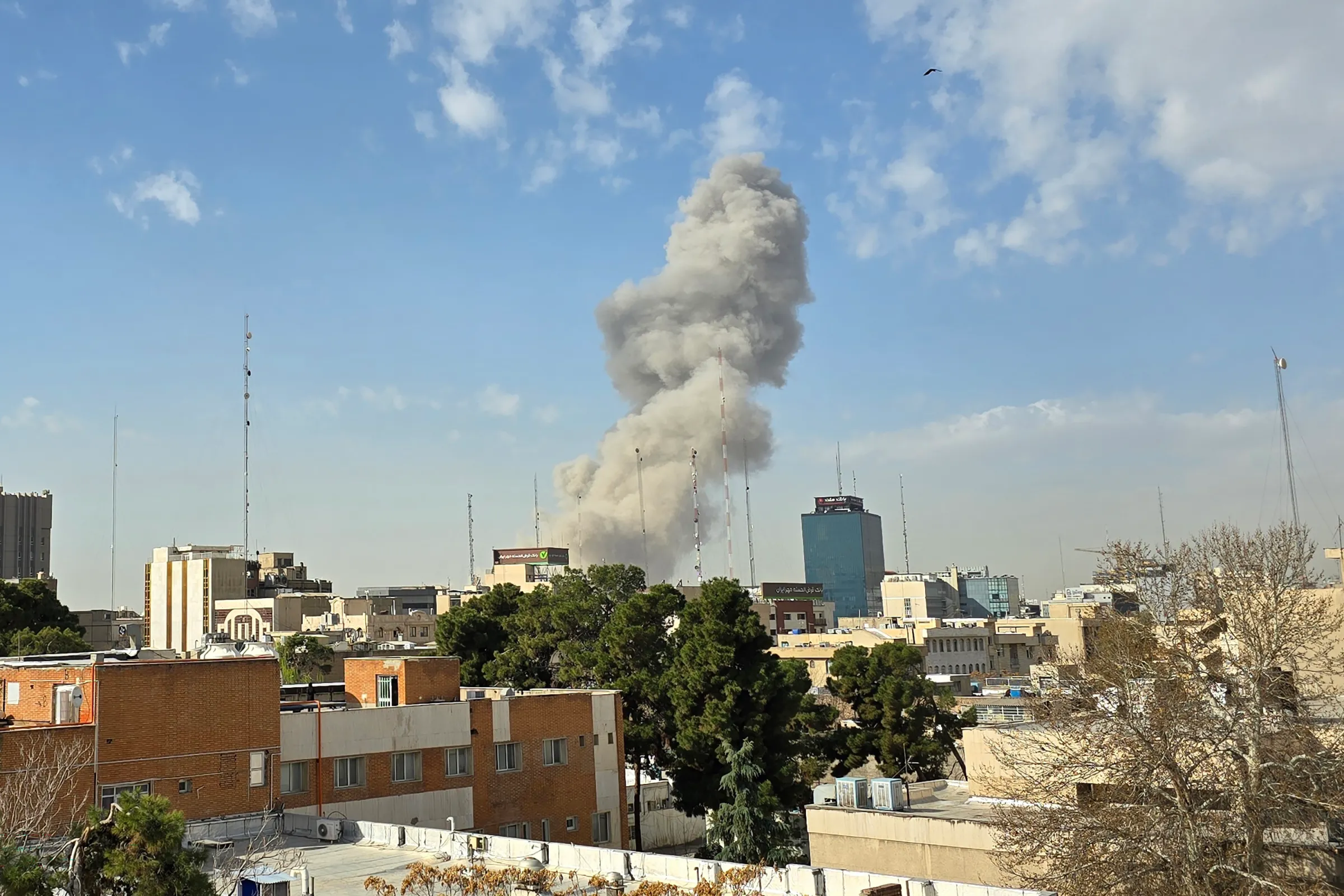
Explosions were reported in cities such as Kermanshah, Qum, Isfahan, Tabriz, Karaj and near the naval base at Kenarak. Iranian media confirmed multiple blasts across different regions. Sources indicated that Khamenei had been moved to a secure location before or during the attacks.
Several senior commanders of the Islamic Revolutionary Guard Corps were reportedly killed. The Revolutionary Guards play a central role in Iran’s defense system and also influence political and economic matters within the country.
In response, Iran launched missile barrages targeting Israeli territory and US military installations in the region. Air defense systems were activated across Israel, and American bases in neighboring countries were placed on high alert.
Trump and Netanyahu Signal Broader Intent
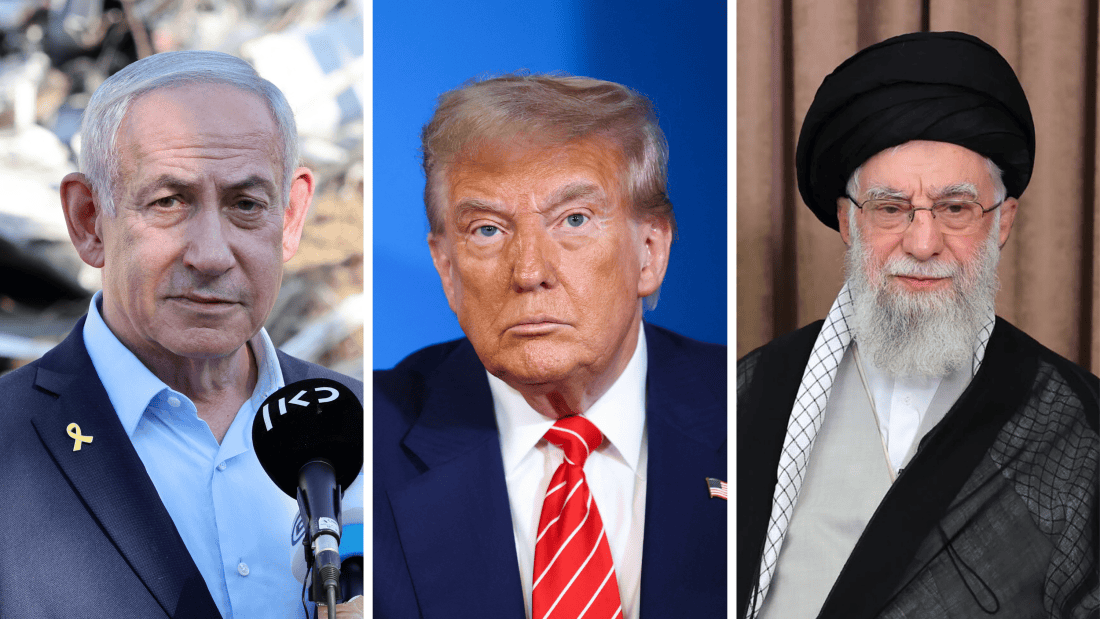
US President Donald Trump defended the strikes, stating they were necessary to remove immediate threats and prevent Iran from obtaining nuclear weapons. He accused Tehran of supporting militant groups and being responsible for decades of hostility toward American and Israeli interests.
Israeli Prime Minister Benjamin Netanyahu echoed similar views. He stated that the joint action would help create conditions for the Iranian people to decide their future. Both leaders urged Iranians to challenge their current leadership.
These statements have raised serious questions among analysts. While both governments describe the strikes as defensive, their public remarks suggest political objectives that may extend beyond destroying military targets. This has intensified discussions around possible regime change in Iran.
Why Ayatollah Khamenei Is Central
Ayatollah Ali Khamenei has been Iran’s Supreme Leader since 1989. He holds the highest authority in the country’s political system. The Supreme Leader has control over the armed forces, judiciary and state broadcasting. He also has strong influence over foreign and security policy.
Under his leadership, Iran expanded its uranium enrichment program and strengthened its missile capabilities. He has maintained a firm stance against both the United States and Israel, often describing them as hostile powers.
For policymakers in Washington and Tel Aviv, Khamenei represents the ideological backbone of the Islamic Republic. Removing him could potentially weaken the structure that holds Iran’s political and military institutions together. However, Iran’s system is deeply rooted. Power is shared among clerical leaders, the Revolutionary Guards and other security bodies. This makes sudden political change extremely complex.
Risks for the Region as US-Israel Strikes Raise Iran Regime Change Concerns
Experts warn that efforts linked to regime change could destabilize not only Iran but the wider Gulf region. West Asia hosts several major US military bases, including in Bahrain and Qatar. Any prolonged conflict could draw neighboring countries into a larger confrontation.
The impact on global energy markets is another major concern. The Gulf region is a key supplier of oil and gas. Increased military tension could disrupt shipping routes and push energy prices higher, affecting economies worldwide.
There is also uncertainty about what might follow if Iran’s leadership structure weakens. History shows that sudden regime collapse does not always lead to democratic transition. It can result in internal conflict, power struggles or even civil unrest. In Iran’s case, the Revolutionary Guards and other security forces could compete for control if the top leadership is removed.
Iran’s Nuclear Factor
Iran’s nuclear program remains at the heart of the dispute. Tehran insists its nuclear activities are for peaceful purposes. However, the United States and Israel argue that uranium enrichment levels have reached dangerous thresholds.
The International Atomic Energy Agency has monitored parts of Iran’s nuclear program, but disagreements over inspections and compliance have continued for years. Washington and Tel Aviv view the possibility of a nuclear armed Iran as a direct security threat.
By launching coordinated strikes, the United States and Israel appear to be sending a strong signal that they are willing to use military force to prevent that outcome. Whether this strategy will deter Iran or push it toward further escalation remains uncertain.
Growing Uncertainty in West Asia
The situation remains fluid. Iran has promised retaliation, and regional security forces are on alert. Diplomatic efforts may attempt to reduce tensions, but trust between the sides is extremely low.
For Washington and Tel Aviv, the operation represents a high risk decision. If the conflict expands, it could reshape political alliances in West Asia. If it remains limited, it may still redefine power equations in the region.
As the world watches closely, the question remains whether the strikes were a short term military action or the beginning of a broader political shift. The coming weeks will determine whether tensions ease or move toward deeper confrontation.