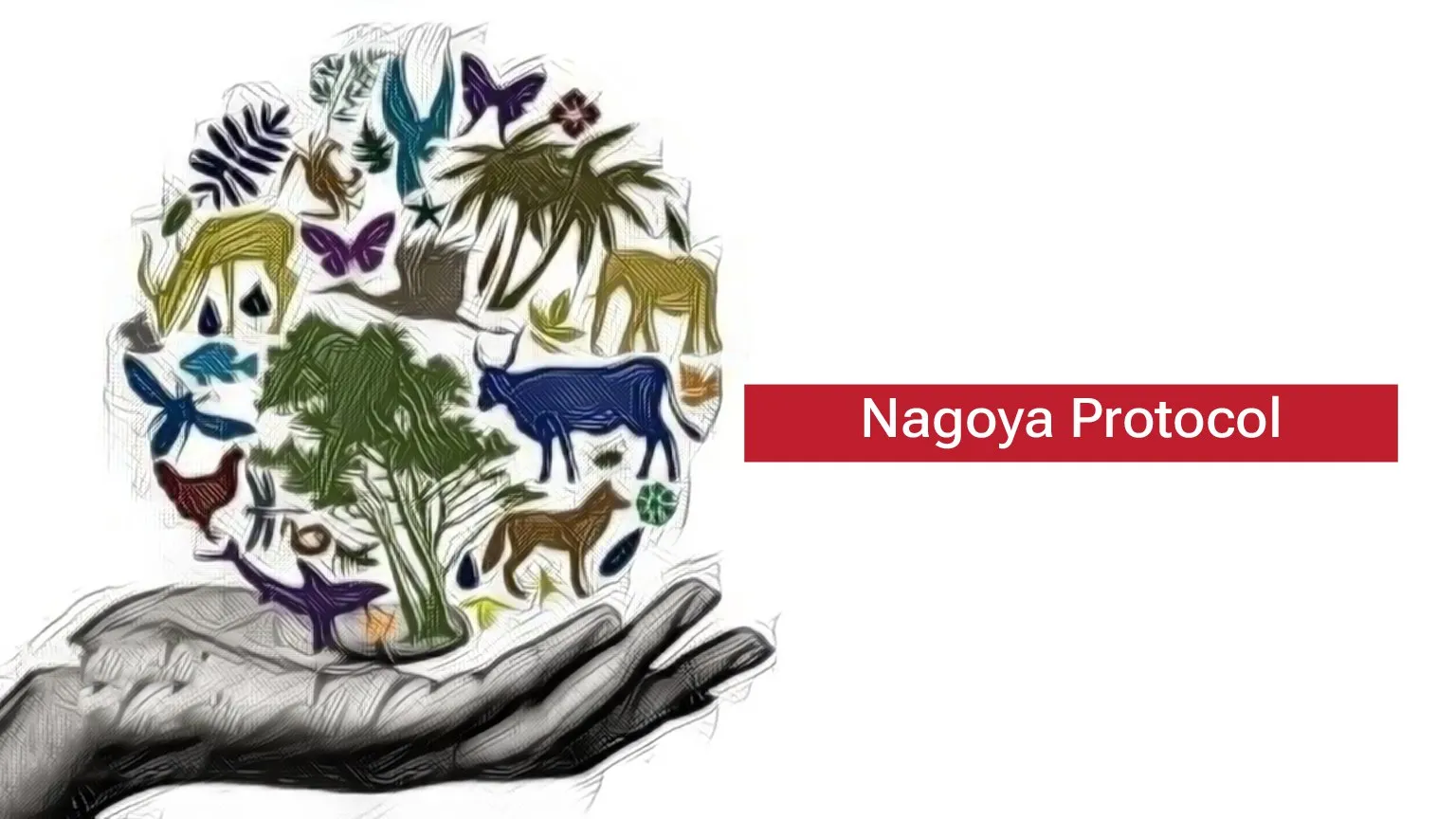
Nagoya Protocol Certificates India Lead Global Biodiversity Efforts

India has emerged as a global leader in issuing Internationally Recognised Certificates of Compliance (IRCCs) under the Nagoya Protocol. With 3,561 certificates out of a global total of 6,311, the country contributes more than 56% of all IRCCs. This shows India’s strong commitment to fair use of biological resources and biodiversity protection.
Thank you for reading this post, don't forget to subscribe!India Leads in Nagoya Protocol Certificates India
Data from the ABS Clearing-House shows that India is far ahead of other nations in issuing IRCCs. Out of 142 countries, only 34 have issued these certificates so far. Countries like France, Spain, Argentina, Panama, and Kenya follow behind, but there is a big gap compared to India’s performance.
What Are IRCCs and Why They Matter
IRCCs are official documents issued under the Nagoya Protocol. These certificates confirm that proper permission has been taken before using genetic resources. They also ensure that agreements are made between the users and the providers. This system helps maintain transparency and fairness in the use of biological materials.

Role of Nagoya Protocol Certificates India in Biodiversity Protection
The IRCC system helps track how genetic resources are used, from research to commercial use. It ensures that benefits from these resources are shared fairly with the country providing them. This supports conservation efforts and promotes sustainable use of biodiversity worldwide.
Legal and Institutional Support in India
India’s success is supported by strong laws and institutions. The Biological Diversity Act, 2002 provides the legal framework for conservation and fair sharing of resources. The National Biodiversity Authority, along with State Biodiversity Boards and local committees, plays a key role in implementing these rules effectively.

Global Importance of India’s Achievement
India’s leadership in issuing IRCCs highlights its active role in global environmental governance. It strengthens the country’s image as a responsible leader in biodiversity management and sustainable development. This achievement also encourages other nations to improve their systems for fair resource sharing.