India Builds 3D-Printed Weather Stations Under Mission Mausam

India has taken a big step forward in weather monitoring with the development of 3D-Printed Weather Stations made entirely within the country. Indian scientists have successfully designed and built a new generation of Automatic Weather Stations using modern 3D-printing methods. These stations are expected to strengthen weather tracking across cities and remote areas alike.
Thank you for reading this post, don't forget to subscribe!The first batch of these newly developed stations will be installed in Delhi starting February 2026. This rollout marks an important move toward improving how India observes weather and prepares for changing climate conditions.
Mission Mausam Leads the Effort
The project is being carried out under Mission Mausam, a national programme focused on upgrading India’s weather observation systems. The initiative is led by the Indian Institute of Tropical Meteorology, working under the Ministry of Earth Sciences.
Mission Mausam aims to close gaps in weather data, especially in fast-growing cities and regions that face frequent climate risks. With unpredictable rainfall, heatwaves, and storms becoming more common, the need for accurate and local weather information has never been greater. The new stations are designed to meet this growing demand.
How 3D-Printed Weather Stations Work

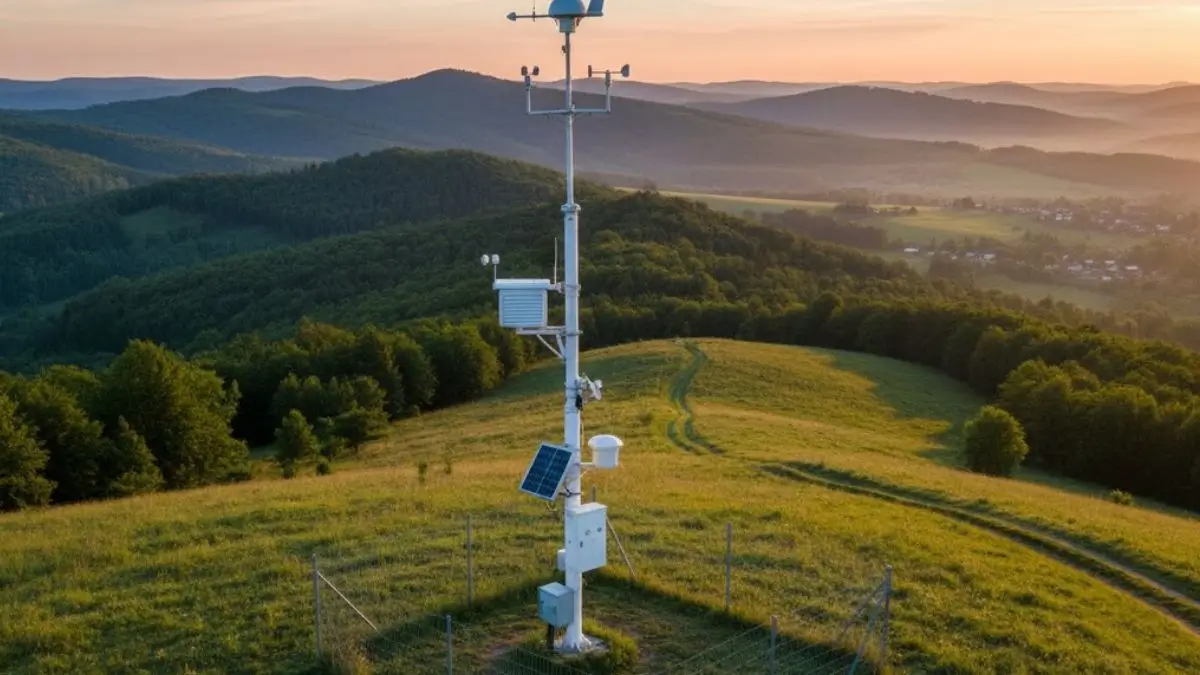
The newly developed 3D-Printed Weather Stations automatically measure key weather details such as temperature, wind speed, humidity, and rainfall. Once collected, the data is sent instantly to central systems, helping scientists track weather changes in real time.
What makes these stations special is how they are built. Instead of relying on imported parts, the entire structure is produced domestically using 3D-printing technology. This approach lowers manufacturing costs and allows quicker production. It also gives engineers more freedom to improve designs based on local needs.
Each station runs on solar power, making it suitable for both crowded cities and distant locations where electricity supply may be unreliable.
Smarter Design, Faster Deployment
Compared to traditional weather stations, these new units are lighter, easier to install, and faster to deploy. The use of 3D printing allows parts to be replaced or redesigned without long delays. This flexibility is especially helpful when expanding weather networks across large and diverse regions like India.
Because the stations are made locally, maintenance becomes simpler and more affordable. This ensures that the network remains active and reliable over time.
Delhi First, Other Cities Next
Delhi has been chosen as the starting point for installing the new weather stations. Over the next six months, more stations will be set up in major cities such as Mumbai, Kolkata, and Chennai. These urban areas often experience sharp weather differences within short distances, making detailed data crucial.
To ensure accuracy, the new stations will initially operate alongside existing manual observatories. This side-by-side setup will help scientists compare readings, fine-tune sensors, and confirm reliability before wider deployment.
Learning from Past Challenges
In the past, some automatic weather stations faced issues due to damaged sensors or poor placement. These experiences have shaped the current rollout strategy. Stronger quality checks and better installation practices are now being followed to avoid earlier problems.
All instruments used in the new stations meet national certification standards, ensuring consistent and dependable data.
Closing the Weather Data Gap
India currently operates more than a thousand automatic weather stations along with manual observatories and rain gauges. However, experts believe this number is still too low to capture local weather changes accurately, especially in cities and mountainous regions.
The introduction of 3D-Printed Weather Stations is expected to fill these gaps. With better coverage and faster data flow, weather forecasts can become more precise, helping communities prepare for sudden changes.
As climate patterns grow more uncertain, this home-grown innovation places India on a stronger footing to understand, track, and respond to the weather of tomorrow.