



India Constitution Crisis 1976: When Liberty Hung by a Thread

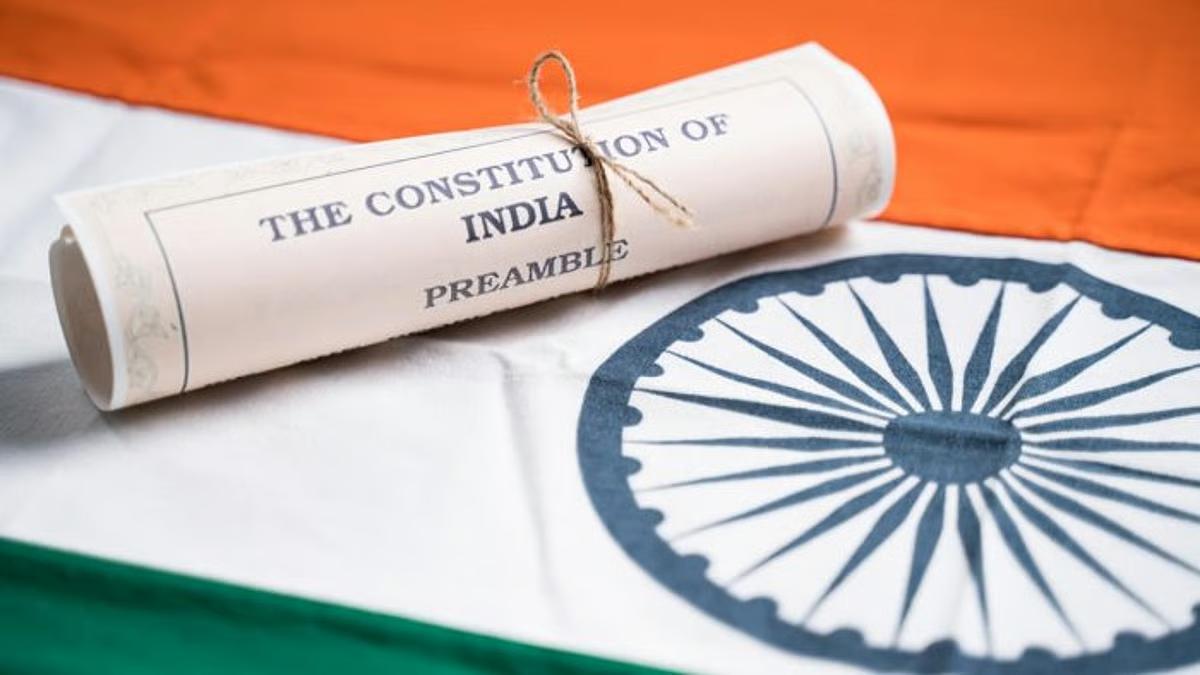
The India Constitution Crisis 1976 represents one of the darkest moments in independent India’s democratic journey. Emerging from the trauma of Partition, mass violence, and economic exhaustion, India was already a fragile society in 1947. Its Constitution was designed not merely as a framework of governance but as a moral contract to restrain power, protect liberty, and safeguard dissent. Yet, nearly three decades later, the very Constitution that promised protection was tested like never before.
Thank you for reading this post, don't forget to subscribe!The Constitution as a Shield, Not a Sword
Adopted in 1950, the Indian Constitution was intended to prevent the abuse of power. Fundamental Rights were not gifts from the government; they were shields against it. Leaders like B. R. Ambedkar, the chief architect of the Constitution, repeatedly warned against “hero-worship” in politics, emphasizing that democracy could survive only when those in power exercised self-restraint, a concept he called “constitutional morality.”
The early decades of independence saw heated debates over land reforms, economic planning, and nationalisation. Yet, even amid disagreement, a principle remained: power must operate within constitutional limits, and opposition must remain legitimate. The Constitution was both a moral guide and a legal framework designed to restrain ambition and protect citizens.
Growing Restlessness in the 1960s and Early 1970s
By the late 1960s, India’s delicate democratic balance was under pressure. Corruption scandals, rising inflation, unemployment, and centralisation of power had eroded public trust. Electoral setbacks weakened the ruling establishment’s moral authority.
It was during this time that Jayaprakash Narayan called for a “Total Revolution,” not as a bid for political office but as a moral challenge to unaccountable authority. Citizens feared that India’s democracy was being hollowed from within, and the movement symbolized growing unease about unchecked power.
Courts Attempt to Maintain Balance
Even amid rising turmoil, constitutional institutions initially asserted themselves. The Supreme Court’s decision in Golaknath v. State of Punjab (1967) restricted Parliament’s power to amend Fundamental Rights. This led to the historic Kesavananda Bharati judgment in 1973, which established the “basic structure” doctrine. Parliament could amend the Constitution but could not destroy its essential features, including judicial review, separation of powers, and fundamental freedoms.
For a brief period, this created a functioning tension a debate about limits, not an attempt to erase them. Yet, this balance would soon collapse.
The Emergency: June 25, 1975
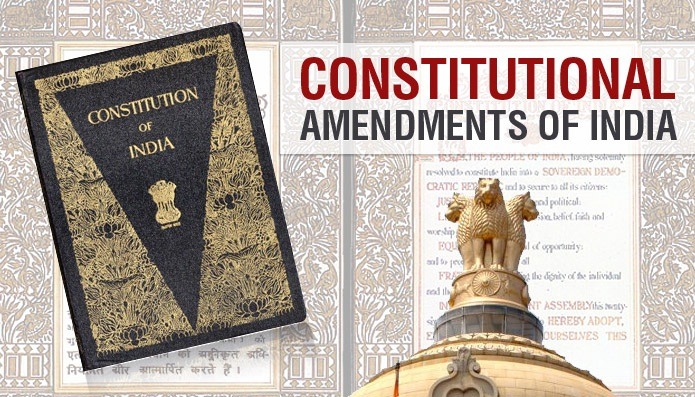
The equilibrium ended with the declaration of Emergency on June 25, 1975. Civil liberties were suspended, opposition leaders were imprisoned, and the press was censored. While justified as a response to “internal disturbance,” the Emergency quickly shifted from a temporary measure to a sustained consolidation of power. Elections were postponed, preventive detention became routine, and dissent was criminalized.
The extraordinary became ordinary. Constitutional safeguards were sidelined, signaling a dangerous shift where the executive’s word became supreme, and citizens’ rights were suspended.
ADM Jabalpur: Liberty Denied
The Supreme Court’s ruling in ADM Jabalpur v. Shivkant Shukla symbolized the depth of constitutional collapse. The Court held that during the Emergency, citizens could not challenge illegal detention. Only Justice H. R. Khanna dissented, warning that such reasoning legitimized tyranny and weakened the rule of law. His dissent, though costly to his career, preserved the conscience of the Constitution.
This judgment institutionalized fear and highlighted that the Constitution’s protection could be nullified when executive power chose to override it.
The Tragedy of P Rajan and the India Constitution Crisis 1976
The human cost of this constitutional silence is starkly illustrated by the case of P. Rajan, a young engineering student arrested in 1976 and tortured to death in police custody. For years, the state denied even his detention. His father, T. V. Eachara Warrier, had to fight relentlessly to reveal the truth. Rajan’s death was not just an act of police brutality; it reflected the suspension of constitutional protection, showing how fragile democracy had become under unchecked authority.
January 2, 1976: Attempt to Reshape the Constitution
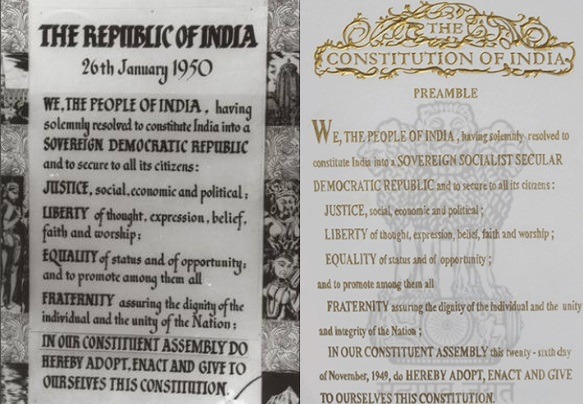
The most alarming episode of the India Constitution Crisis 1976 occurred on January 2, 1976, with the introduction of the 42nd Amendment. This was no ordinary amendment; it aimed to reconstruct the Constitution itself. Judicial review was weakened, parliamentary supremacy was asserted, and Fundamental Rights were subordinated to state-defined objectives. Liberty ceased to be inherent; it became conditional on the government’s interpretation.
Article 31D and Permanent Repression During the India Constitution Crisis 1976
Among the most disturbing proposals was Article 31D, which empowered Parliament to ban vaguely defined “anti-national” activities and associations while protecting such laws from judicial review. The term “anti-national” was intentionally left undefined. In effect, opposition politics, journalism, protests, and even poetry could have been criminalized. Although Article 31D was repealed before enforcement, its existence underscored the attempt to normalize state repression through legal means.
Lessons from 1976
The Emergency eventually ended, elections were restored, and many constitutional distortions were rolled back. However, January 1976 remains a cautionary reminder of how quickly constitutional safeguards can be undermined. The attempt to turn India’s Constitution into an instrument of unchecked power failed not because institutions alone resisted, but because citizens, guided by fearless leaders, journalists, and ordinary individuals, refused to surrender freedom.
The India Constitution Crisis 1976 is a crucial chapter in India’s history. It reminds us that the Constitution’s strength lies not merely in its text, but in the vigilance of its people and the moral courage of those who uphold it, even under extraordinary pressure.