



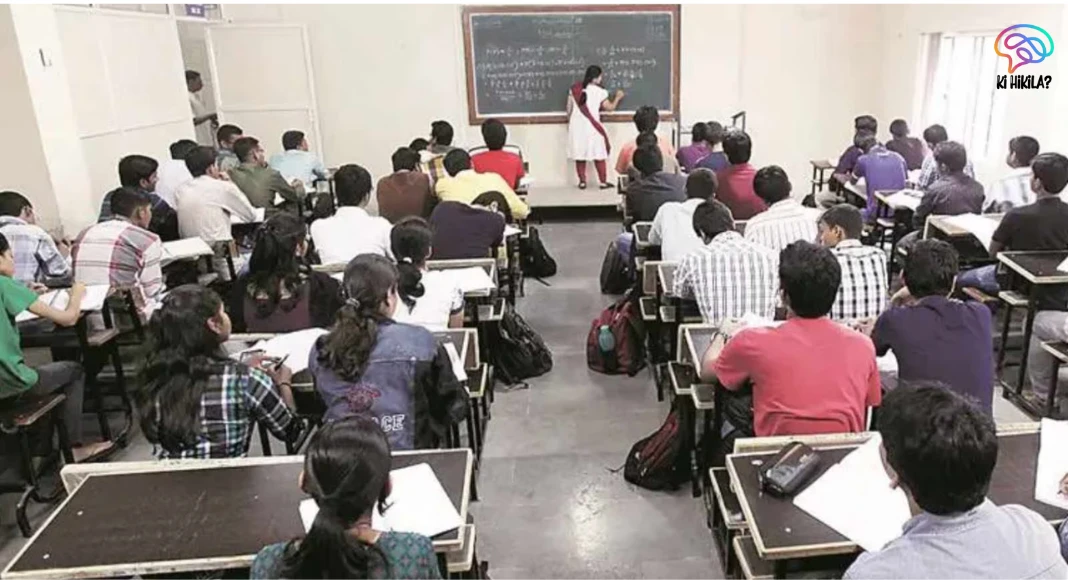
Shadow Schooling India: Rising Trend of Private Coaching Reshaping Education

Shadow Schooling India has become a defining feature of the country’s education system. According to a recent government survey, nearly one in three students now attend private coaching or tuition beyond regular school hours. This trend is reshaping how children learn, particularly in urban centers where academic competition is intense.
Thank you for reading this post, don't forget to subscribe!The Comprehensive Modular Survey (CMS), conducted by the Ministry of Statistics and Programme Implementation, highlights how shadow schooling interacts with existing education patterns. It shows clear contrasts between rural and urban areas, differences in school choices, disparities in costs, and the financial burden placed on families.
What Is Shadow Schooling?
Shadow schooling refers to extra private coaching or tuition taken outside regular classroom hours. Its primary purpose is to supplement school teaching, help students prepare for exams, or gain a competitive edge in entrance tests.
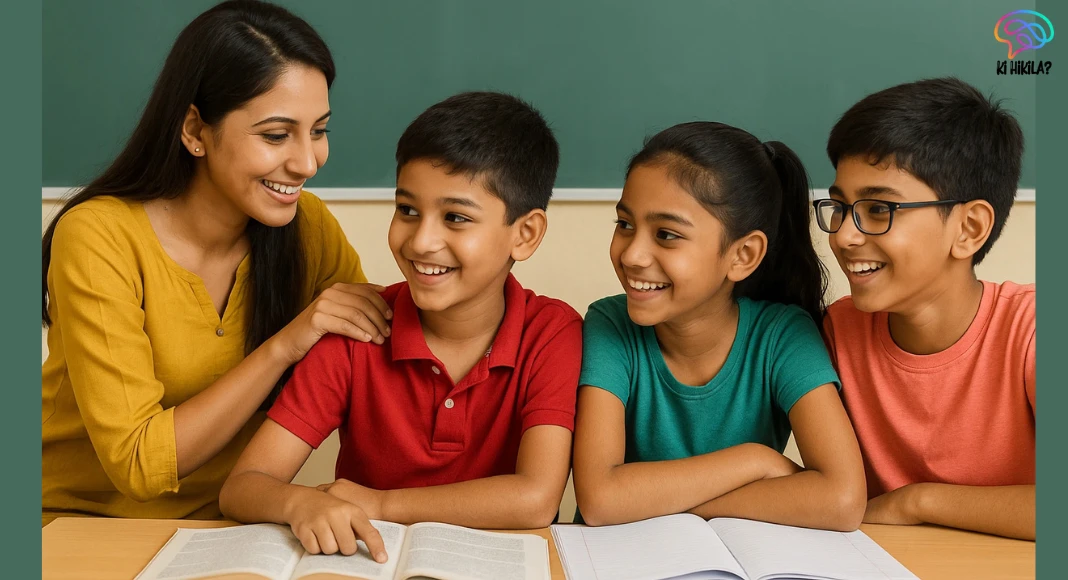
In India, shadow schooling is not merely an option—it has become a necessity for many families. In urban areas, where competition for top schools and colleges is fierce, coaching centers and private tutors are flourishing. For students, shadow schooling often provides the additional practice and clarity they feel they lack in regular classrooms.
Government Schools: Backbone of Rural Education
Despite the rise of private tuition, government schools remain the backbone of education in India, particularly in rural areas. The survey shows that about 56% of students nationwide are enrolled in government schools.
In villages, nearly two-thirds of children study in government institutions, reflecting both affordability and accessibility. These schools remain essential for rural families, where household incomes are lower and private schools may not be financially viable. Government schools thus continue to play a critical role in ensuring mass education.
Urban Preference for Private Schools
In contrast, urban families are increasingly moving toward private unaided schools. Only 30% of urban children now attend government schools, with the majority opting for private institutions.
This preference is driven by aspirations for better quality education, English-medium instruction, and access to modern facilities. Urban parents, with relatively higher incomes, are more willing to invest in private schooling. The result is a growing gap in enrollment trends—private schools now account for almost one-third of total enrollments nationwide, concentrated mainly in cities.
Shadow Schooling India: Cost Disparities
The CMS highlights significant financial disparities between government and private schools. Annual spending per student in government schools is about Rs 2,863, while in private schools the average spending skyrockets to Rs 25,002—nearly nine times higher.
In government schools, most students pay no fees, while almost all private school students bear tuition expenses. Families with children in private schools also spend more on uniforms, transportation, and textbooks. Urban households, with their higher preference for private education, therefore shoulder a much heavier financial burden compared to rural families.
Shadow Schooling Costs and Prevalence
Private coaching has emerged as another major expense for Indian families. The survey reveals that 27% of all students attend some form of coaching classes. The numbers are higher in cities, where 31% of children are enrolled in coaching, compared to 26% in rural areas.
The financial strain is evident. Urban households spend an average of Rs 3,988 per child annually on private coaching, while rural families spend around Rs 1,793. Costs rise sharply at higher education levels—at the higher secondary stage, urban families pay nearly Rs 9,950 per year per child for coaching.
This growing reliance on coaching underscores the limitations of the regular schooling system, as many parents feel compelled to seek extra support for their children to succeed academically.
Who Funds Education in India?
One of the most striking findings of the survey is that families bear the overwhelming majority of education costs. Household funding covers 95% of all student expenses, with government scholarships supporting only about 1.2% of students.
This means families not only fund school fees but also the rising costs of shadow schooling. The limited role of public funding highlights the urgent need for policy interventions to ensure equitable access to education.
Wider Implications for Equity and Policy
The rise of Shadow Schooling India reflects broader inequalities tied to geography, income, and opportunity. Rural areas rely heavily on affordable government schools, while urban centers see an explosion of private education and coaching.
This dual reality raises important policy questions as India moves forward with the National Education Policy (NEP). How can the government bridge the urban-rural divide? How can quality teaching in government schools be strengthened to reduce dependence on coaching? And how can education be made more affordable and equitable for families already struggling with costs?
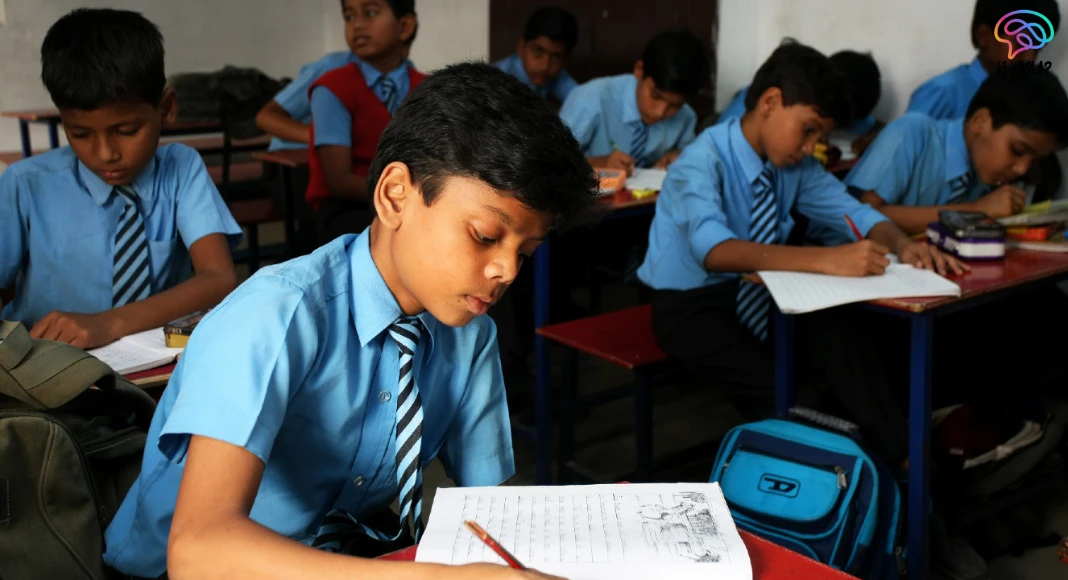
Shadow schooling may provide immediate academic support, but it also exposes gaps in the formal education system. Unless these gaps are addressed, India risks creating a highly stratified education model where access to opportunities depends largely on a family’s ability to pay.
Shadow Schooling India: Transforming the Education System
The CMS findings paint a clear picture: shadow schooling is no longer a marginal activity in India—it has become mainstream. With one in three children now enrolled in private coaching, the education sector is undergoing a profound transformation.
While shadow schooling helps students meet academic demands, it also reflects deeper issues of inequality and limited support in formal schooling. As India pursues education reforms under the NEP, policymakers must address the balance between government and private education, the growing role of coaching, and the financial burdens on families.
The rise of Shadow Schooling India is both an opportunity and a challenge—an opportunity to rethink education strategies, and a challenge to ensure that learning remains inclusive and accessible to all.