India Coal Sector Faces Growing Scrutiny Over Environmental and Health Impacts

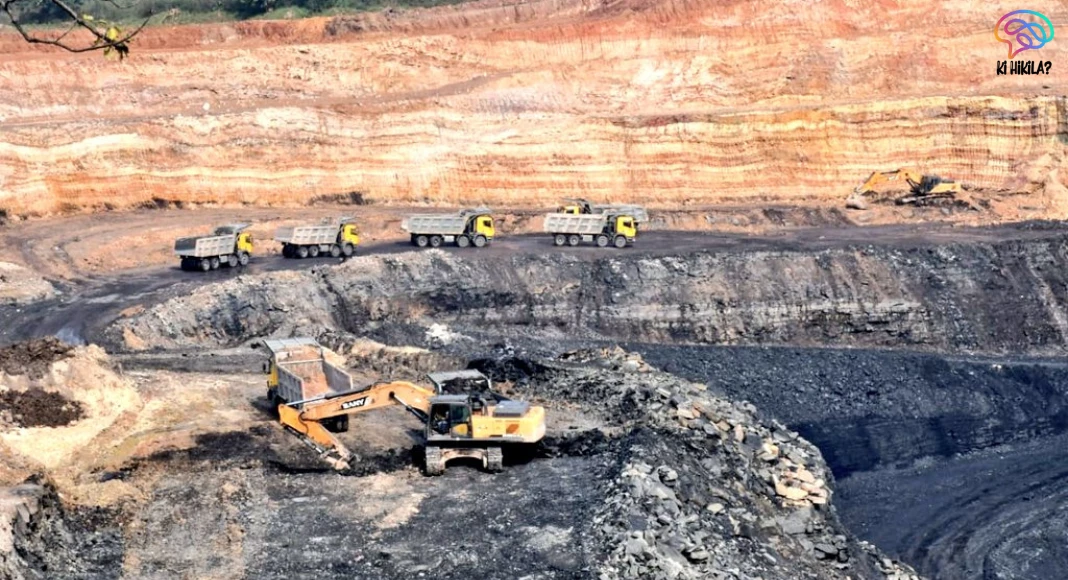
India Coal Sector continues to dominate the nation’s energy landscape even as renewable energy expands rapidly. Despite ambitious government targets to increase solar, wind, and hydro capacity, coal remains a backbone of electricity production. Experts now warn that while coal sustains industrial growth and household power supply, it also imposes severe environmental and health costs on surrounding communities.
Thank you for reading this post, don't forget to subscribe!A recent report, drawing from National Green Tribunal (NGT) cases, has revealed that coal mining and thermal power plants are linked to widespread ecological damage and human health risks. These findings have sparked renewed debate on the future of India’s coal dependency and the urgent need for sustainable management strategies.
Coal’s Role in India’s Energy Mix
Coal and lignite accounted for nearly 73% of India’s power generation in 2022-23, cementing their role as the dominant energy source. While projections suggest that coal will still supply about 50% of India’s electricity by 2031-32, the government is simultaneously pushing for significant growth in non-fossil fuel energy.
This dual reality highlights a complex challenge: balancing energy security with environmental sustainability. India cannot abandon coal overnight without risking power shortages and industrial disruption. Yet, the heavy reliance on the India coal sector means communities near mining and power projects continue to bear the brunt of pollution and social displacement.
Environmental and Health Challenges
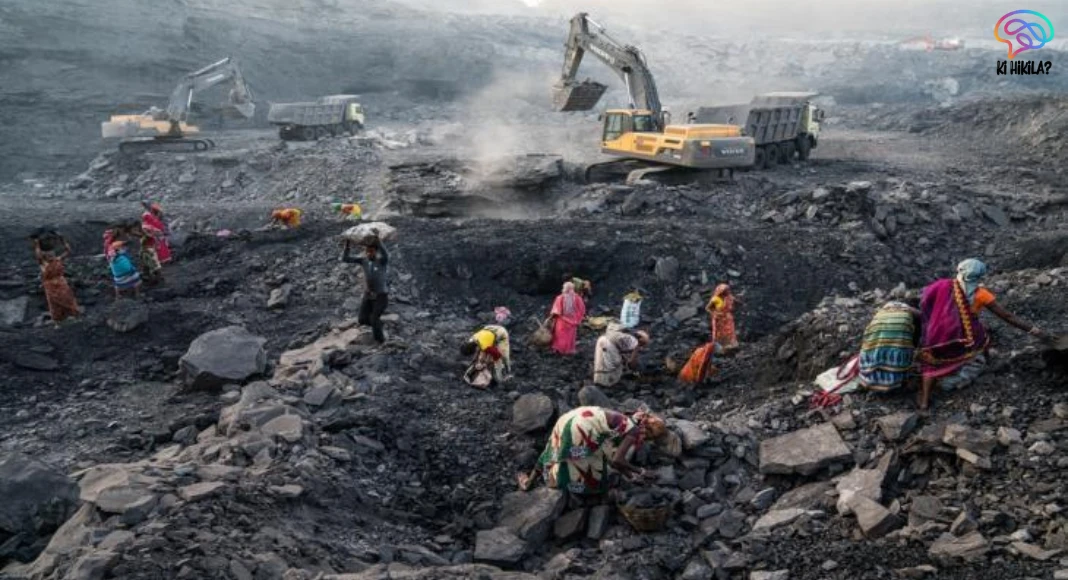
Coal mining and thermal power operations have far-reaching consequences for both ecosystems and people. Dust from coal extraction and transport raises particulate matter (PM10) levels to nearly five times higher than safe limits. Such exposure causes respiratory ailments and reduces overall air quality in mining regions.
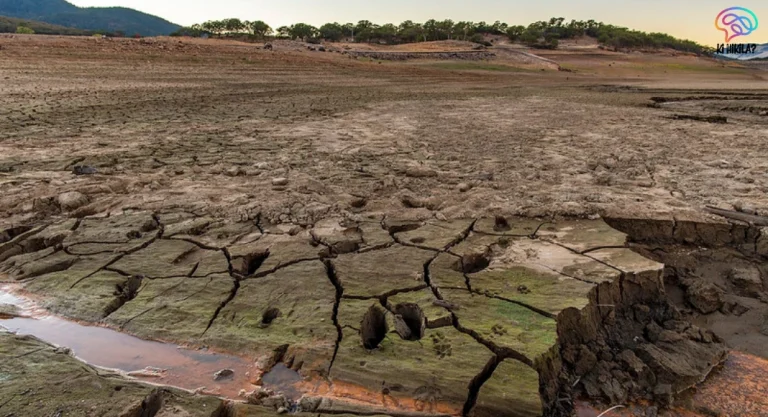
Another major concern is fly ash disposal from coal-based thermal power plants. Fly ash contaminates soils and water bodies, reducing agricultural productivity and biodiversity. Toxic elements like cadmium, mercury, and lead enter food chains, increasing cancer risks. Silica particles present in ash also cause silicosis and other respiratory diseases among local populations.
Communities dependent on agriculture, fisheries, and animal husbandry face loss of income due to environmental degradation. These combined effects deepen economic vulnerabilities and lead to increased medical expenses.
Regulatory and Legal Issues
NGT cases underline a persistent gap between environmental norms and ground realities. Pollution control regulations are frequently ignored or manipulated by coal operators. Local communities often have little voice in decision-making processes, reducing accountability.
While the tribunal has emphasized absolute liability for polluters, compensation remains inconsistent. In many cases, affected families wait years for relief, and even when funds are awarded, delays and legal hurdles prevent effective disbursal. This undermines the credibility of regulatory bodies and weakens enforcement.
Environmental Restoration Efforts
NGT rulings have mandated clean-up and restoration plans in multiple cases, including river decontamination, groundwater recharge, and mangrove rehabilitation. Dedicated funds have been allocated to support these missions.
However, actual implementation faces delays, lack of clear timelines, and inadequate monitoring. Without strong enforcement, restoration projects remain incomplete, prolonging environmental degradation and health hazards. Strengthening these efforts is essential to prevent irreversible damage to India’s ecosystems.
Key Recommendations from Experts
The latest report on the India coal sector offers several critical recommendations to align energy development with sustainability:
- Continuous Monitoring: Regular air, water, soil, and biodiversity assessments must be mandated in coal-bearing regions.
- Stronger Oversight: Pollution control boards should be empowered and include representatives from affected communities, civil society, and technical experts.
- Health Impact Assessments: Evaluations of respiratory and cancer risks must become standard practice near coal operations.
- Inclusive Restoration: Environmental restoration committees should integrate traditional knowledge and community participation to protect livelihoods.
- Policy Accountability: The Ministry of Environment, Forest and Climate Change should prioritize large-scale clean-up missions with transparent progress reports.
- Long-Term Data Collection: Reliable databases must be maintained to inform compensation, regulation, and energy policies.
- Open Tribunal Cases: The NGT may consider keeping cases open with periodic reviews to ensure compliance.
These measures, if implemented, could bridge the gap between energy security and environmental justice.
The Path Toward a Just Transition
As India gradually transitions toward renewable energy, the India coal sector must address its legacy of environmental and social harm. A just transition requires ensuring that coal-dependent communities do not suffer disproportionately during the shift.
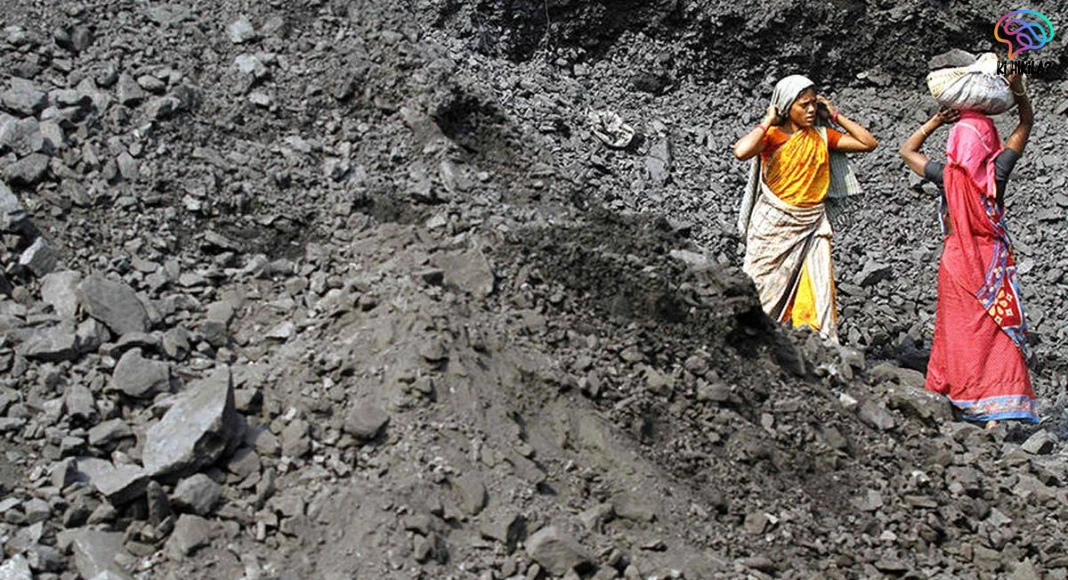
This means policies must focus on health care access, alternative livelihoods, and social safety nets for affected populations. Simultaneously, investments in renewable energy must create local employment opportunities to balance economic disruptions caused by declining coal use.
The future of India’s energy system will depend on how effectively it balances competing needs: maintaining power supply, protecting ecosystems, and safeguarding human health. The discovery and acknowledgement of coal’s broader impacts are vital steps in shaping policies that prioritize both sustainable development and social equity.