


Liquid Nanoclay Technology: Turning Deserts into Farmland

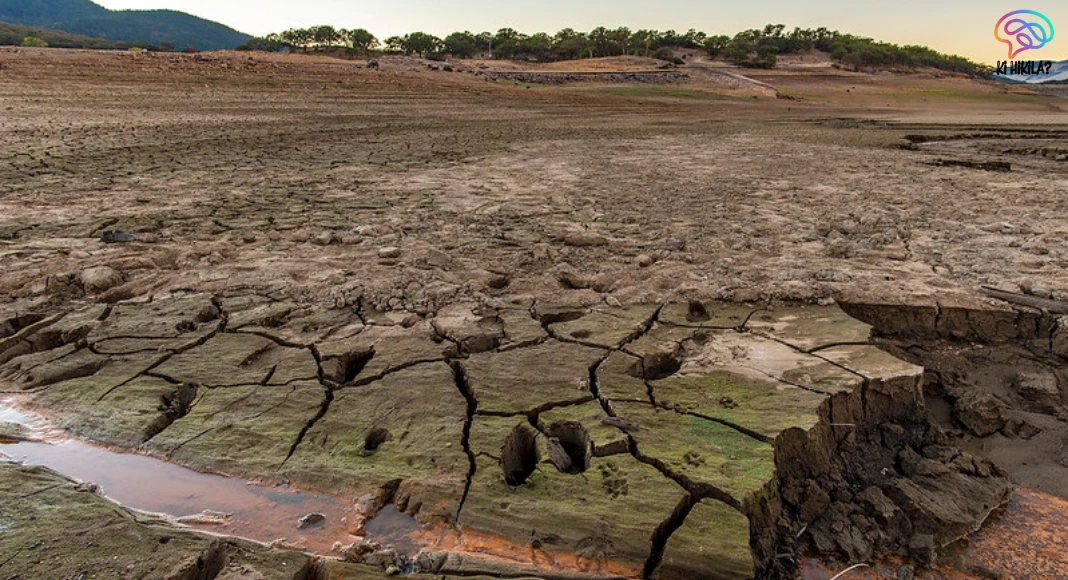
Liquid Nanoclay Technology has emerged as one of the most revolutionary innovations in sustainable agriculture, with the potential to reshape the future of farming and food security. While an initial viral claim suggested that Indian scientists developed this technology, the truth is that it was pioneered by the Norwegian company Desert Control. Their groundbreaking invention, Liquid Nanoclay (LNC), is capable of turning barren desert sand into fertile farmland within hours, cutting water usage by nearly 50%, and significantly boosting crop yields. This development is being hailed as a game-changer in the fight against food insecurity, desertification, and climate change.
Thank you for reading this post, don't forget to subscribe!The Origin of Liquid Nanoclay Technology
The innovation is credited to Desert Control, a Norwegian firm focused on climate-smart solutions. Recognizing the global threat of desertification and water scarcity, the company developed Liquid Nanoclay, a unique mixture of clay and water. By spraying this mixture onto sandy soil, LNC coats each grain of sand with a microscopic layer of clay. This changes the soil’s properties almost instantly, making it capable of retaining both water and nutrients.
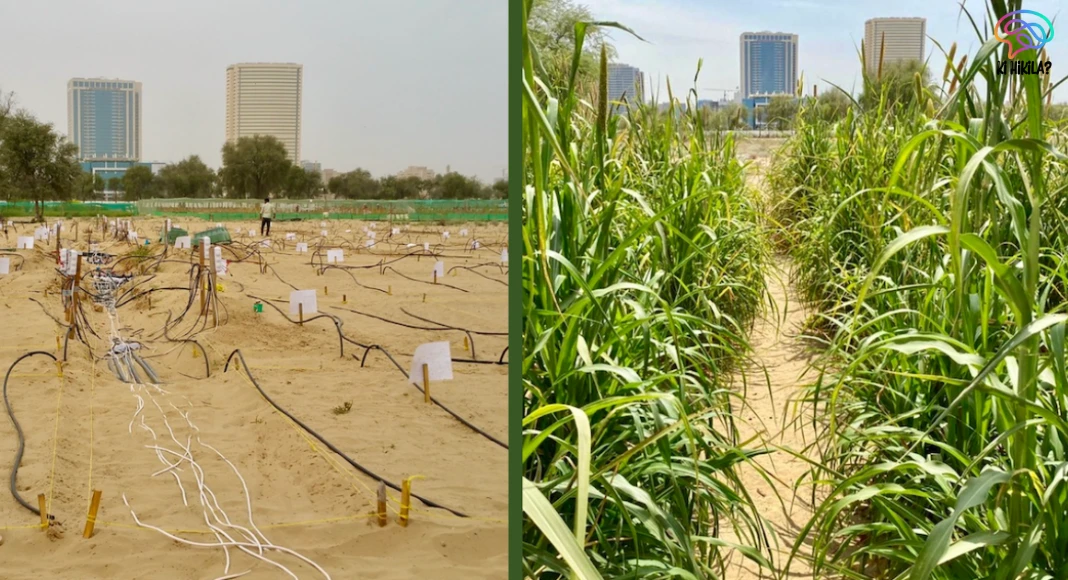
This process allows once-barren lands, previously unfit for cultivation, to transform into fertile farmland in just a matter of hours. Unlike traditional soil-improvement methods that take months or years, LNC offers a fast, scalable, and sustainable solution.
How Liquid Nanoclay Works
The core principle behind Liquid Nanoclay Technology is simple yet effective:
- A suspension of clay and water is prepared.
- This mixture is sprayed directly onto desert sand or degraded soil.
- Nanoparticles of clay bind to the sand grains, creating a coating that changes their structure.
- The coated soil becomes better at holding both water and nutrients, two essential elements for crop growth.
This improved soil quality helps reduce the dependence on excessive irrigation and fertilizers, making farming more environmentally friendly and cost-efficient.
Benefits of Liquid Nanoclay Technology
- Rapid Land Transformation
One of the most astonishing features of LNC is the speed at which it works. Desert soil can be converted into fertile farmland within hours, offering hope to regions struggling with barren landscapes. - Reduced Water Usage
Agriculture consumes nearly 70% of the world’s freshwater resources. By improving water retention in soil, LNC reduces irrigation requirements by up to 50%, making it ideal for arid and water-stressed regions. - Boosted Crop Yields
Field trials have demonstrated significant increases in crop yields. Crops grow healthier and faster because the soil retains moisture and nutrients for longer periods. - Combating Desertification
Desertification is one of the most pressing global environmental issues. Liquid Nanoclay Technology offers a way to restore degraded lands, re-green deserts, and prevent further expansion of arid areas. - Sustainability and Climate Impact
By reducing water dependency, cutting fertilizer needs, and reclaiming unusable land, LNC aligns with the goals of sustainable development and climate resilience.
Global Relevance of the Breakthrough
The importance of Liquid Nanoclay Technology extends far beyond Norway, as desertification is a global issue. According to the United Nations, over 2 billion hectares of land worldwide are currently degraded. Arid regions across Africa, the Middle East, South Asia, and even parts of India stand to benefit from this breakthrough.
- Middle East: Countries like the UAE and Saudi Arabia have already shown interest in testing and implementing LNC for large-scale farming projects.
- Africa: Water-scarce nations see it as a lifeline to improve food security and reduce dependence on food imports.
- India: Although not the original developers, India can be one of the largest beneficiaries of the technology, given its vast arid zones in Rajasthan, Gujarat, and parts of Deccan.
Addressing the Viral Claim About Indian Scientists
The viral claim that Indian scientists created Liquid Nanoclay is inaccurate. The truth is that while Indian researchers and agricultural experts are actively exploring soil-improvement techniques, the specific LNC technology belongs to Desert Control of Norway. However, India has the potential to adopt, localize, and scale this innovation to address its water crisis, desertification, and food security challenges.
A Step Toward Food Security and Climate Action
As the world faces rising population pressures, food insecurity, and the worsening effects of climate change, Liquid Nanoclay Technology provides a ray of hope. By offering a sustainable way to increase agricultural productivity while reducing water use, it addresses two of the greatest challenges of the 21st century: feeding the growing population and conserving natural resources.
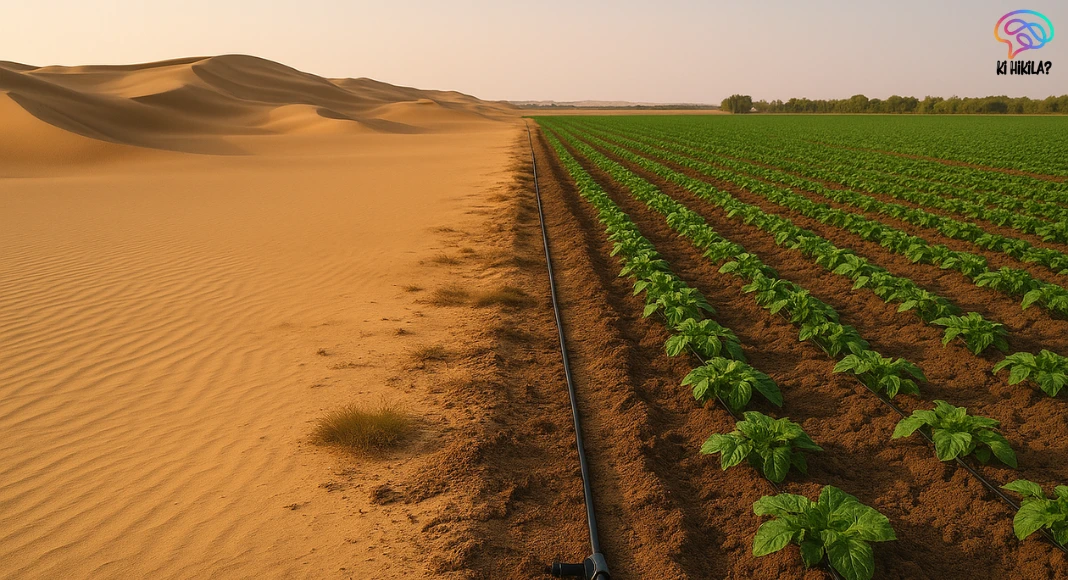
Furthermore, the ability to restore degraded land means that countries can expand their arable land without destroying forests or natural habitats, contributing to biodiversity preservation.
Future Prospects and Challenges
While Liquid Nanoclay Technology is highly promising, scaling it globally will require collaboration between governments, agricultural bodies, and private companies. Costs of production and large-scale application are factors that need to be optimized. Additionally, further research is essential to study long-term impacts on soil health and ecosystems.
Nevertheless, the breakthrough marks a significant milestone in climate-smart agriculture, showing how innovation can provide practical solutions to some of humanity’s biggest challenges.
Conclusion
Liquid Nanoclay Technology is not just a scientific achievement—it is a potential revolution in global agriculture. By turning deserts into fertile land, cutting irrigation needs by half, and boosting crop productivity, this Norwegian innovation could play a crucial role in achieving food security and fighting climate change.
While Indian scientists did not create this technology, India and other arid countries stand to benefit greatly from its adoption. As nations look for sustainable farming methods, Liquid Nanoclay may well become a cornerstone of future agricultural practices.