



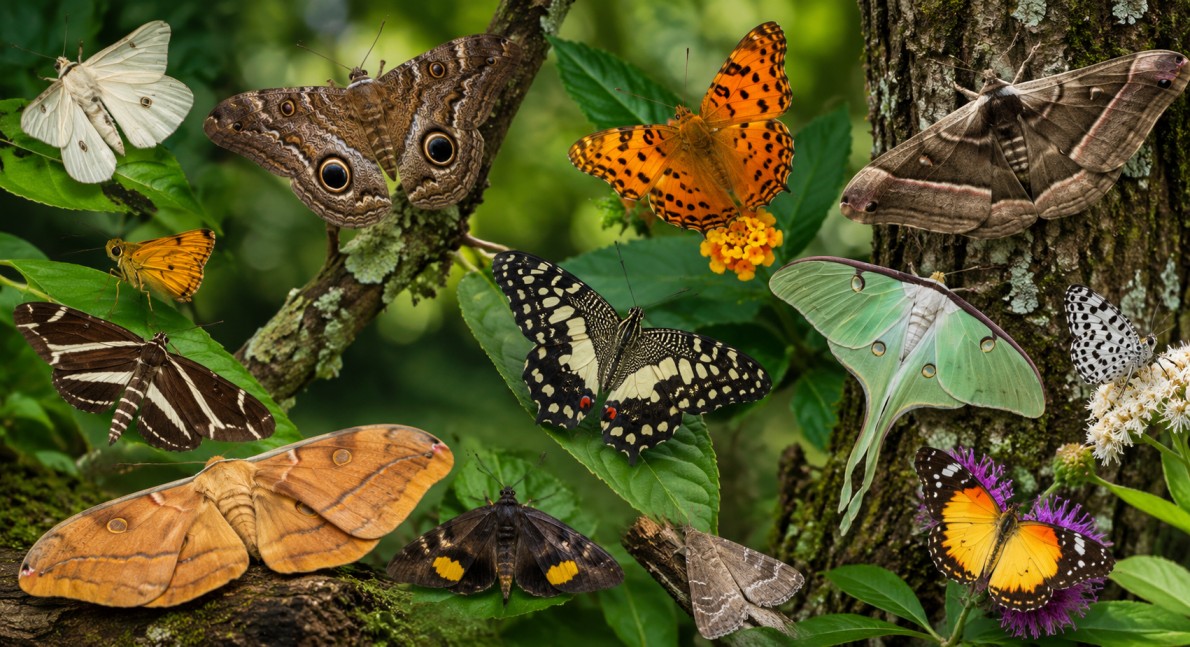
India Lepidoptera Catalogue Completed

India Lepidoptera Catalogue has reached an important milestone as the Zoological Survey of India (ZSI) completed the country’s first comprehensive catalogue of butterflies and moths. The landmark publication, announced on 30 July 2026, documents 13,703 species of Lepidoptera found across India. The catalogue has been prepared after 12 years of scientific research and brings together more than a century of scattered taxonomic records into a single national reference.
The achievement is expected to strengthen biodiversity research, wildlife conservation, ecological studies, and species identification in India. It also highlights the country’s rich insect diversity and the growing importance of scientific documentation for protecting natural ecosystems.

What Is the India Lepidoptera Catalogue?
The India Lepidoptera Catalogue is a detailed scientific record of butterfly and moth species found throughout the country.
The catalogue includes:
- 13,703 species
- 3,705 genera
- 240 subfamilies
- 102 families
- 31 superfamilies
For the first time, researchers, students, conservationists, and wildlife experts now have a single national reference covering India’s complete known diversity of butterflies and moths.
The project combines information collected from field surveys, museum collections, and scientific publications over many decades.
What Are Lepidoptera?
Lepidoptera is one of the largest insect groups in the world.
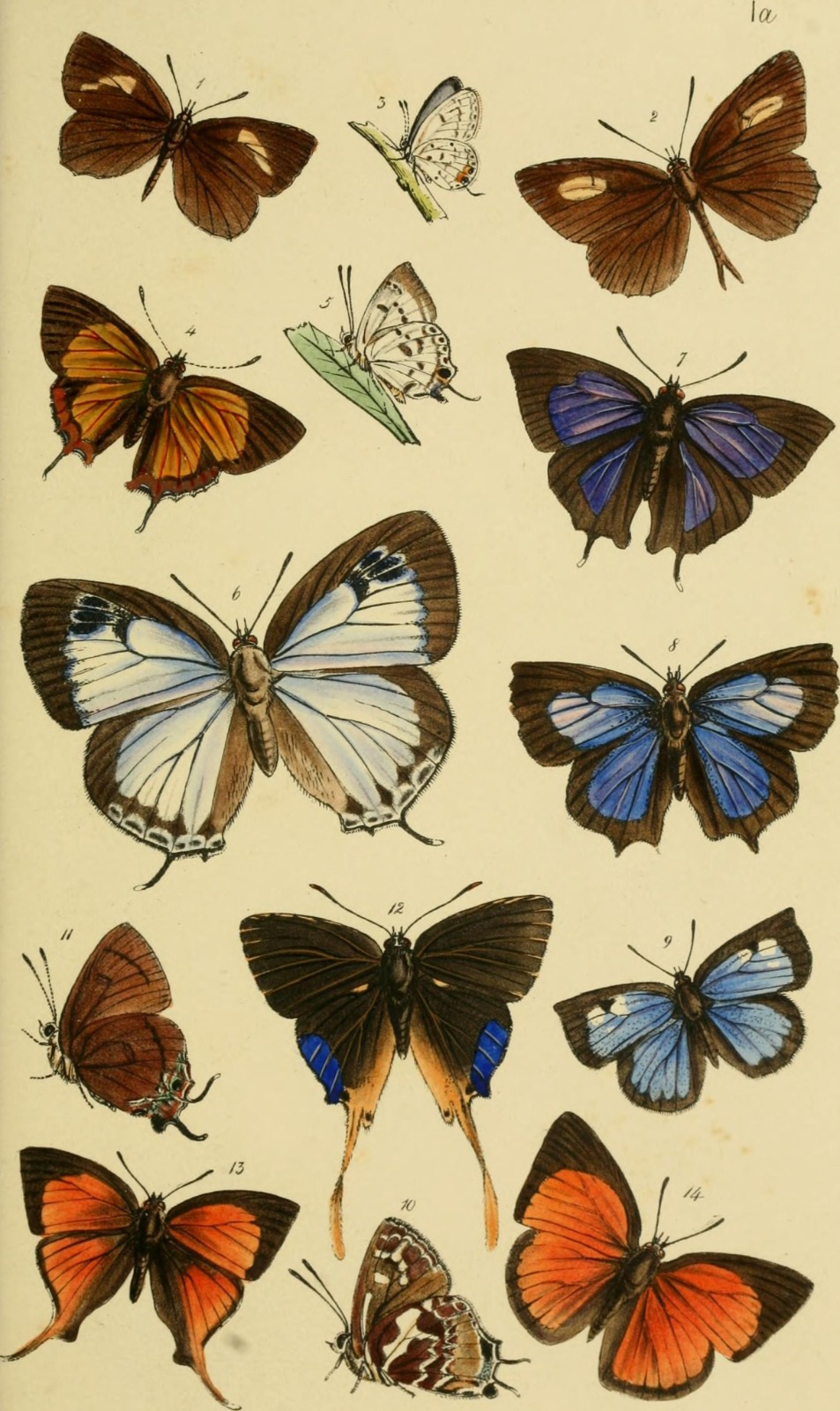
It includes two familiar insects:
- Butterflies
- Moths
These insects are known for their colourful wings covered with tiny scales.
Butterflies and moths play an important role in nature by helping pollinate flowers and serving as part of the food chain for birds, reptiles, amphibians, and other animals.
Scientists also study them because changes in their population often indicate changes in the environment.
A Twelve-Year Scientific Project
The preparation of the catalogue required 12 years of continuous scientific work.
Researchers carried out:
- Field surveys across India
- Examination of museum specimens
- Verification of scientific records
- Taxonomic classification
- Review of published research
The project also involved checking old records to remove duplicate entries and resolve classification differences that had developed over many years.
By combining historical and modern information, the catalogue now provides a reliable national database for future studies.
Published in 22 Volumes
The complete catalogue has been organised into 22 volumes, each covering different groups within the Lepidoptera order.
The final volume was published in the international scientific journal Zootaxa.
This last publication documented the remaining 1,689 species and helped complete the entire national reference.
The work also resolved several taxonomic uncertainties, making species identification more accurate for future researchers.
Rich Diversity of Moths in India
One of the important highlights of the catalogue is the documentation of the Geometroidea superfamily.
India has 2,205 recorded species belonging to this group of moths.
Many moths are active during the night and play an important role as nocturnal pollinators, helping plants reproduce after sunset.
Although butterflies often receive more public attention because of their bright colours, moths also contribute significantly to biodiversity and ecosystem balance.
Role of the Zoological Survey of India
The catalogue has been prepared by the Zoological Survey of India (ZSI), headquartered in Kolkata.
Established in 1916, the organisation works under the Ministry of Environment, Forest and Climate Change.
ZSI conducts research on:
- Animal diversity
- Species identification
- Wildlife surveys
- Taxonomy
- Conservation planning
- Biodiversity documentation
For more than a century, the organisation has played a leading role in recording India’s rich wildlife resources.
Why This Catalogue Matters
The new catalogue provides a strong scientific foundation for several important fields.
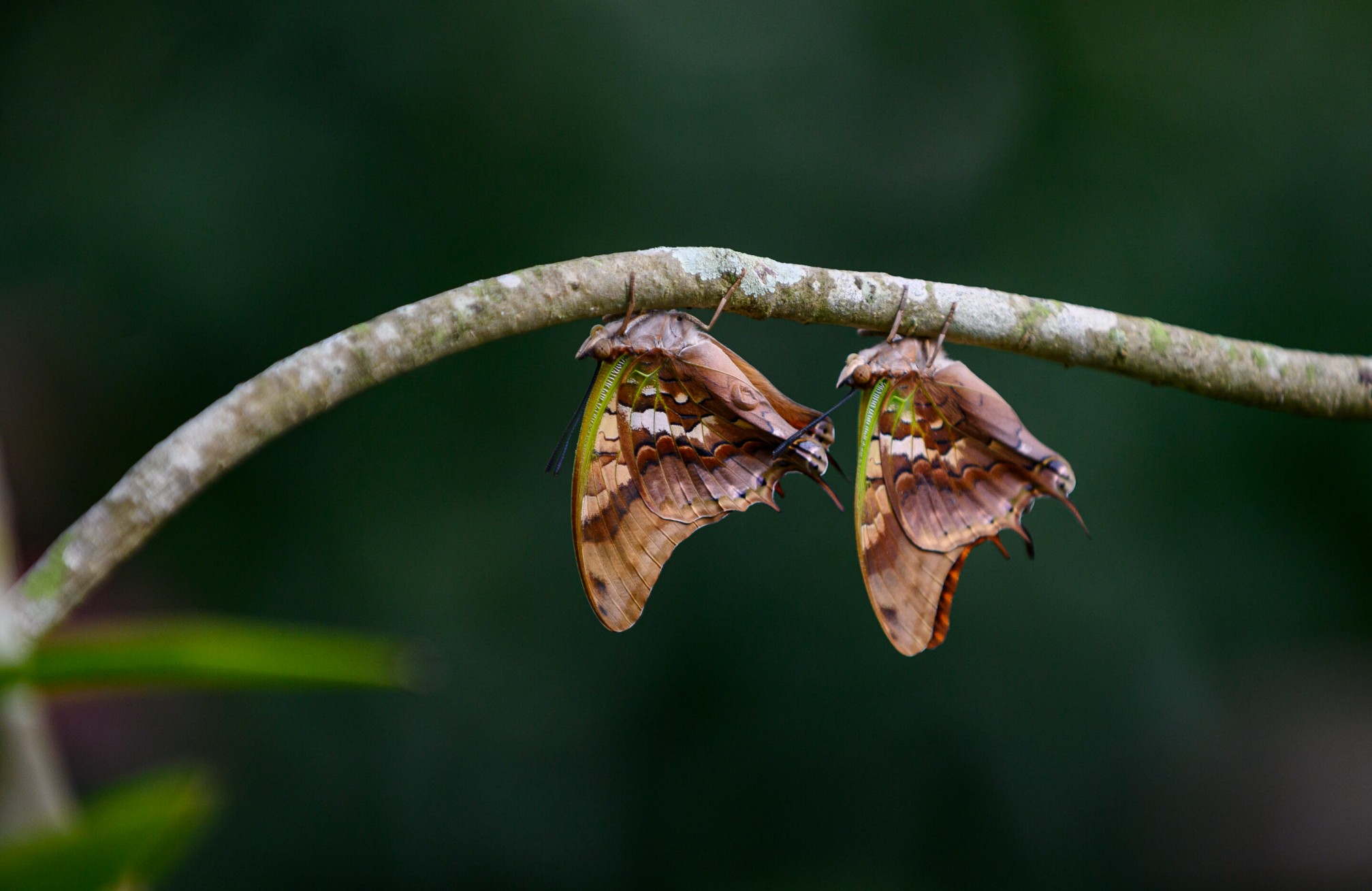
It can support:
- Biodiversity conservation
- Climate change research
- Ecological monitoring
- Wildlife management
- Species identification
- Academic research
- Environmental planning
Having a verified national database allows scientists to better understand how insect populations change over time due to habitat loss, pollution, urbanisation, or climate change.
The information will also assist future conservation programmes aimed at protecting India’s natural ecosystems.
India’s Important Place in Global Biodiversity
According to the catalogue, India’s 13,703 recorded Lepidoptera species account for approximately 8.25% of all known butterfly and moth species worldwide.
This highlights India’s position as one of the world’s richest countries in terms of insect diversity.
From the Himalayan mountains to tropical forests, deserts, wetlands, and coastal ecosystems, India’s varied habitats provide suitable environments for thousands of butterfly and moth species.
The completion of the India Lepidoptera Catalogue represents a major achievement in biodiversity documentation. By bringing together thousands of verified records into a single scientific reference, the project will support conservation efforts, ecological research, and wildlife studies for years to come while improving our understanding of India’s remarkable natural heritage.