



Ravi Diversion Plan: Jammu & Kashmir Explores New Water Strategy After Indus Treaty Suspension

The Ravi Diversion Plan has emerged as a major policy idea as the Jammu & Kashmir administration looks for new ways to manage water resources after the suspension of the Indus Waters Treaty. With changing geopolitical conditions and growing regional water needs, the government is re-examining long-pending projects and exploring fresh possibilities to support agriculture, ecology, and long-term development in both Jammu and Kashmir regions.
Thank you for reading this post, don't forget to subscribe!Following the suspension of the Indus Waters Treaty in 2025, the Union Territory has found new space to plan water use without earlier restrictions. Chief Minister Omar Abdullah has reportedly discussed these proposals with the Centre, highlighting the importance of water security and regional balance.
Background to the Ravi Diversion Plan
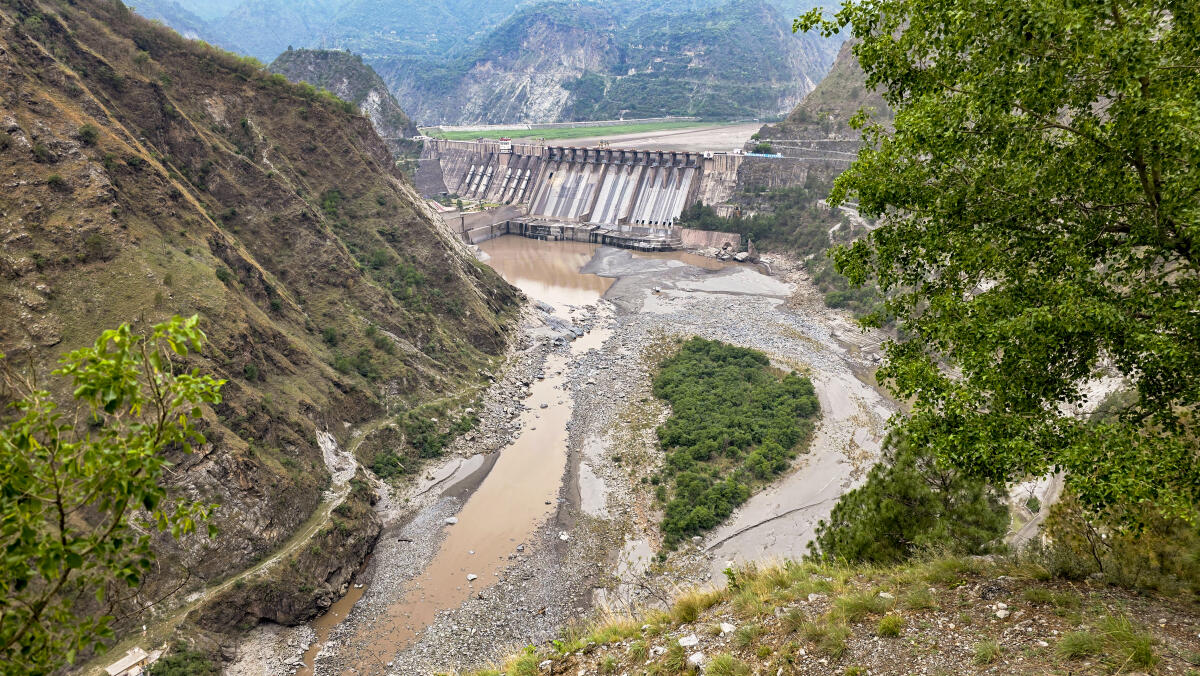
The Ravi Diversion Plan focuses on using surplus water from the Ravi River, which flows through Punjab before entering Pakistan. Under the earlier treaty framework, much of this water flowed across the border unused by India. With new policy flexibility, the Jammu & Kashmir government is now considering diverting this excess water to drought-affected districts of the Jammu region.
Districts such as Kathua and Samba often face water stress, affecting agriculture and livelihoods. Officials believe that diverting Ravi waters can help irrigate barren land, improve crop output, and reduce dependence on rainfall. The plan is also linked to infrastructure readiness, especially the near completion of the Shahpur Kandi Dam, which is expected to regulate river flows more effectively.
Reviving the Tulbul Navigation Project
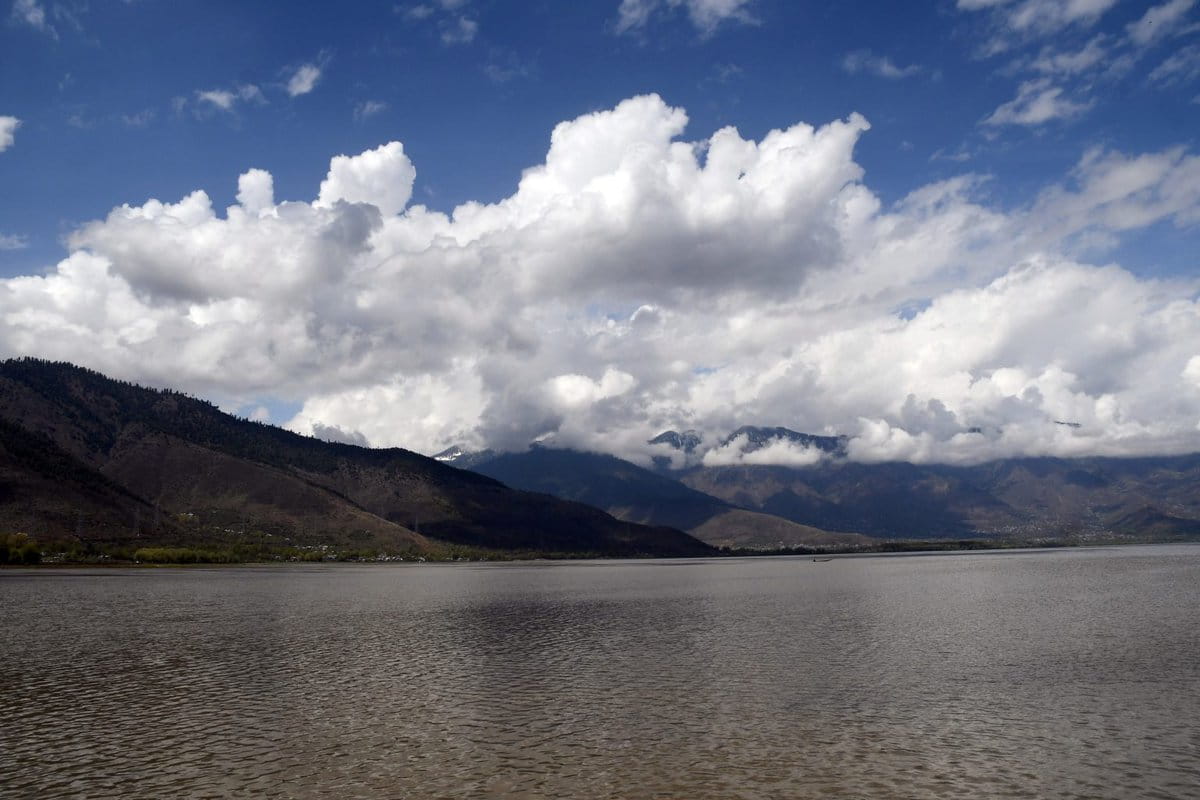
Alongside the Ravi Diversion Plan, the government is also revisiting the long-stalled Tulbul Navigation Barrage in Kashmir. This project, launched in 1984 on the Wular Lake, was halted in 1987 after objections from Pakistan under the Indus Waters Treaty.
The original aim of the project was to regulate water flow to maintain year-round navigation and ensure a minimum water level in Wular Lake. With the treaty now in abeyance, the Jammu & Kashmir government believes the project can be revived to restore navigation, protect the lake’s ecosystem, and support nearby farming communities.
Wular Lake is one of India’s largest freshwater lakes and plays a crucial role in flood control, groundwater recharge, and biodiversity. Maintaining stable water levels could also help local fisheries and tourism, adding economic value to environmental protection.
Chenab Pumping Project for Jammu
In addition to the Ravi Diversion Plan, officials have proposed a large pumping project from the Chenab River near Akhnoor. This initiative is aimed at meeting Jammu’s long-term drinking water and irrigation needs.
As urban populations grow and climate patterns become less predictable, water demand in Jammu is expected to rise sharply. Authorities see the Chenab project as a strategic investment that can support future development while reducing water shortages during dry seasons.
Understanding the Indus Waters Treaty Context
The Indus Waters Treaty was signed in 1960 between India and Pakistan, with the World Bank acting as a mediator. The agreement divided the Indus river system into eastern and western rivers. Ravi, Beas, and Sutlej were allocated to India, while Indus, Jhelum, and Chenab were largely reserved for Pakistan, with limited usage rights for India.
For decades, the treaty survived wars and political tensions, making its suspension a major moment in regional water diplomacy. The current situation has encouraged Indian authorities to reassess projects that were earlier delayed or abandoned due to treaty constraints.
Development and Strategic Impact
The Ravi Diversion Plan signals a broader shift toward maximising the use of water resources legally available to India. For Jammu & Kashmir, this means addressing long-standing regional imbalances in water access. Jammu has often faced shortages, while Kashmir has abundant water but limited storage and regulation infrastructure.
If implemented, the Ravi diversion could transform agriculture in drought-prone areas, increase rural incomes, and reduce migration pressure. The revival of the Tulbul project could improve inland navigation, revive ecosystems, and strengthen the local economy in Kashmir.
From a strategic perspective, these moves also reflect a more assertive water policy by India in response to changing security and diplomatic realities. While officials stress that the focus remains on development and sustainability, the decisions could influence future water-sharing discussions in the region.
A New Phase in Water Planning
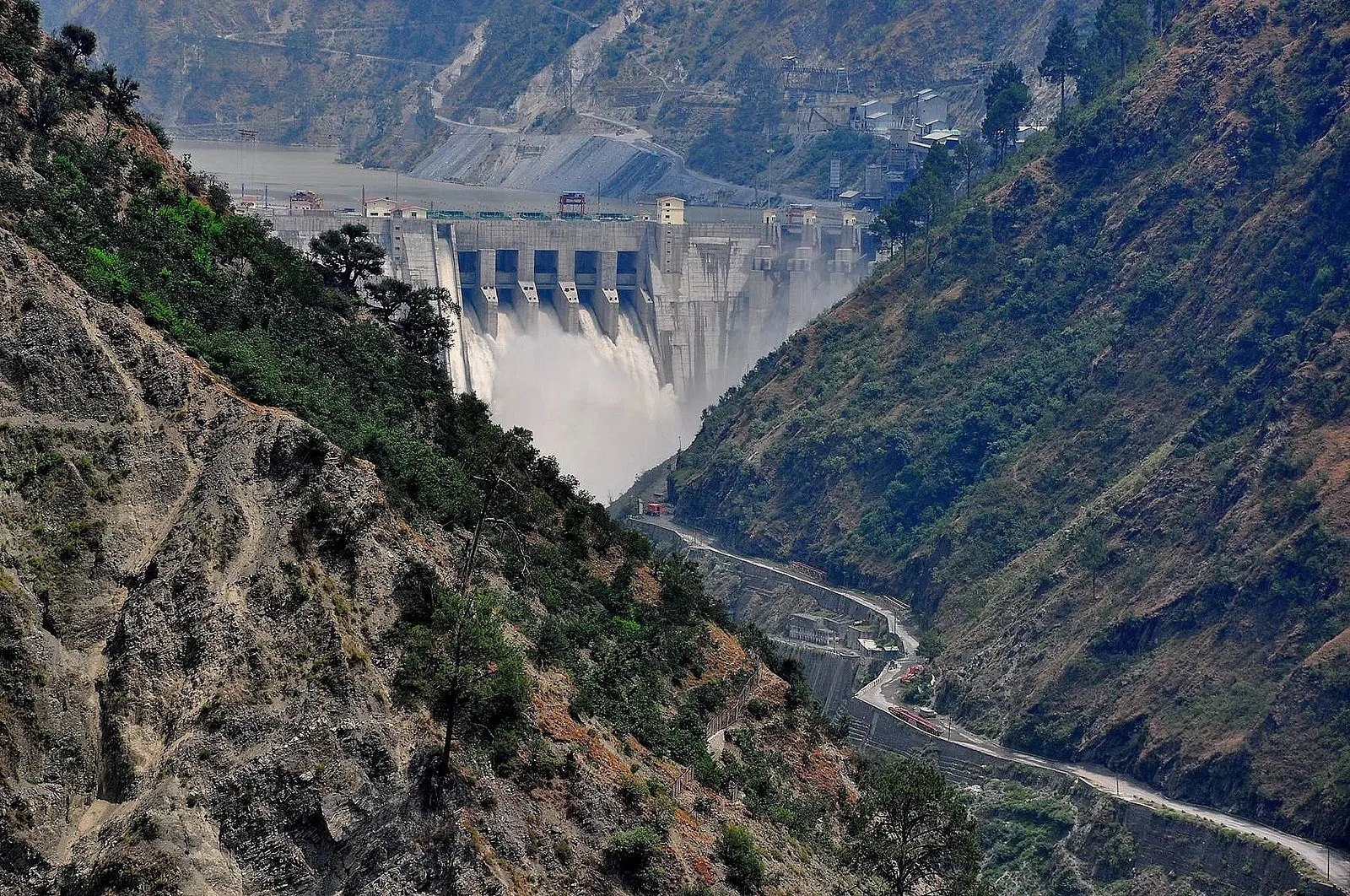
Together, the Ravi Diversion Plan, Tulbul Navigation revival, and Chenab pumping project point to a new phase of water planning in Jammu & Kashmir. The emphasis is on balanced growth, efficient resource use, and long-term resilience.
As discussions with the Centre continue, these proposals highlight how water management has become central to development, environment protection, and regional stability. The coming years will determine how these plans translate from policy discussions into on-ground change for the people of Jammu & Kashmir.