

India-Russia Trade Target Set at $100 Billion

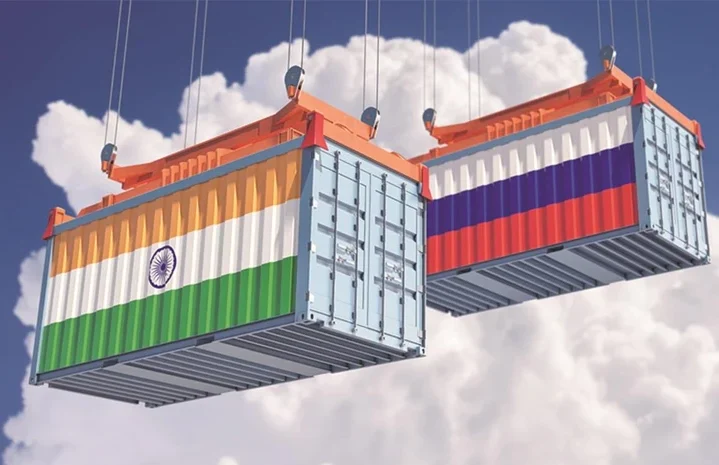
India-Russia Trade is set to expand further as the two countries have set a bilateral trade target of $100 billion by 2030. Current trade between India and Russia is around $60 billion, meaning both sides need to add about $40 billion in trade over the next four years. The countries are also working towards a new Bilateral Investment Treaty and have set a goal of reaching $50 billion in bilateral investment by 2030.
India-Russia Trade Enters a New Phase
India-Russia Trade discussions have gained fresh momentum as both countries look to expand cooperation beyond traditional areas such as defence and energy. The two sides held discussions in New Delhi in September 2026 ahead of the 18th BRICS Summit.

The talks focused on increasing industrial cooperation and creating new opportunities for businesses in both countries. Areas discussed included railways, steel, civil nuclear energy, critical minerals, advanced manufacturing, pharmaceuticals, information technology, artificial intelligence, engineering, services and automobile components.
The wider focus reflects efforts by India and Russia to diversify their economic relationship and develop more trade in technology, manufacturing and services.
INNOPROM India 2026 Supports Business Cooperation
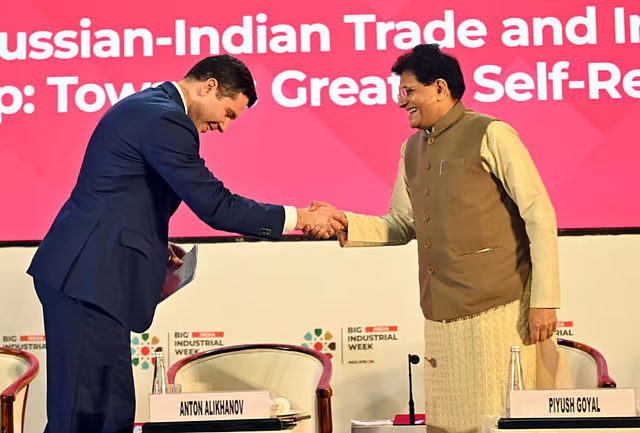
The INNOPROM India 2026 exhibition in New Delhi provided another platform for discussions on industrial cooperation. The event brought together Indian Commerce and Industry Minister Piyush Goyal and Russian Industry and Trade Minister Anton Alikhanov on 10-11 September.
The exhibition focused on industrial technology, manufacturing and business partnerships. It also gave companies from the two countries an opportunity to explore new areas of cooperation.
For India and Russia, industrial exhibitions such as INNOPROM can help connect manufacturers, technology companies and investors. This could support the expansion of trade in products and services instead of relying heavily on a few major sectors.
Investment Target of $50 Billion
Alongside the trade target, India and Russia are working towards increasing bilateral investment to $50 billion by 2030.
The proposed Bilateral Investment Treaty is an important part of this effort. Such an agreement can establish rules for protecting investments and provide greater clarity for companies operating across borders.
Stronger investment links could encourage companies from India and Russia to establish manufacturing facilities, form technology partnerships and invest in new projects. The focus is particularly important in areas such as advanced manufacturing, pharmaceuticals, engineering and critical minerals.
Defence Cooperation Remains Important
Defence continues to be a major part of the India-Russia relationship. Recent discussions have included the delivery of S-400 air defence systems, upgrades related to BrahMos missiles and possible cooperation on the production of Russia’s Su-57 fighter aircraft.
India and Russia have a long history of defence cooperation, including joint development and production programmes. BrahMos is one of the most notable examples, combining Indian and Russian technology in a supersonic cruise missile programme.
The two countries are also looking at ways to deepen defence industrial cooperation through local production and technology partnerships.
Energy Trade Continues to Drive Relations
Energy remains another major pillar of India-Russia Trade. India continues to import Russian crude oil, while discussions also cover natural gas and fertilisers.
Russian oil became particularly important for Indian refiners after global energy markets were disrupted by the Russia-Ukraine war and Western sanctions. India increased purchases of Russian crude because of competitive prices, although the trade has also faced changing sanctions, payment and shipping conditions.
The two countries are also discussing cooperation in civil nuclear energy. Russia has already been involved in the construction of nuclear power facilities in India, and discussions have included the possibility of developing another Russian-built nuclear power plant site.
India Seeks More Exports to Russia
A key challenge for India-Russia Trade is the trade imbalance between the two countries. India has been looking to increase its exports to Russia in sectors where Indian companies have strong production capacity.
Pharmaceuticals, textiles, engineering goods, food products and automobile components are among the areas with potential for higher Indian exports.
Increasing exports could help India reduce the gap between what it buys from Russia and what it sells to the Russian market. Better payment systems, logistics and market access will be important if companies are to increase shipments.
Focus on Critical Minerals and New Technology
Critical minerals are becoming an increasingly important area of economic cooperation. These minerals are needed for electric vehicles, renewable energy equipment, batteries, electronics and advanced manufacturing.
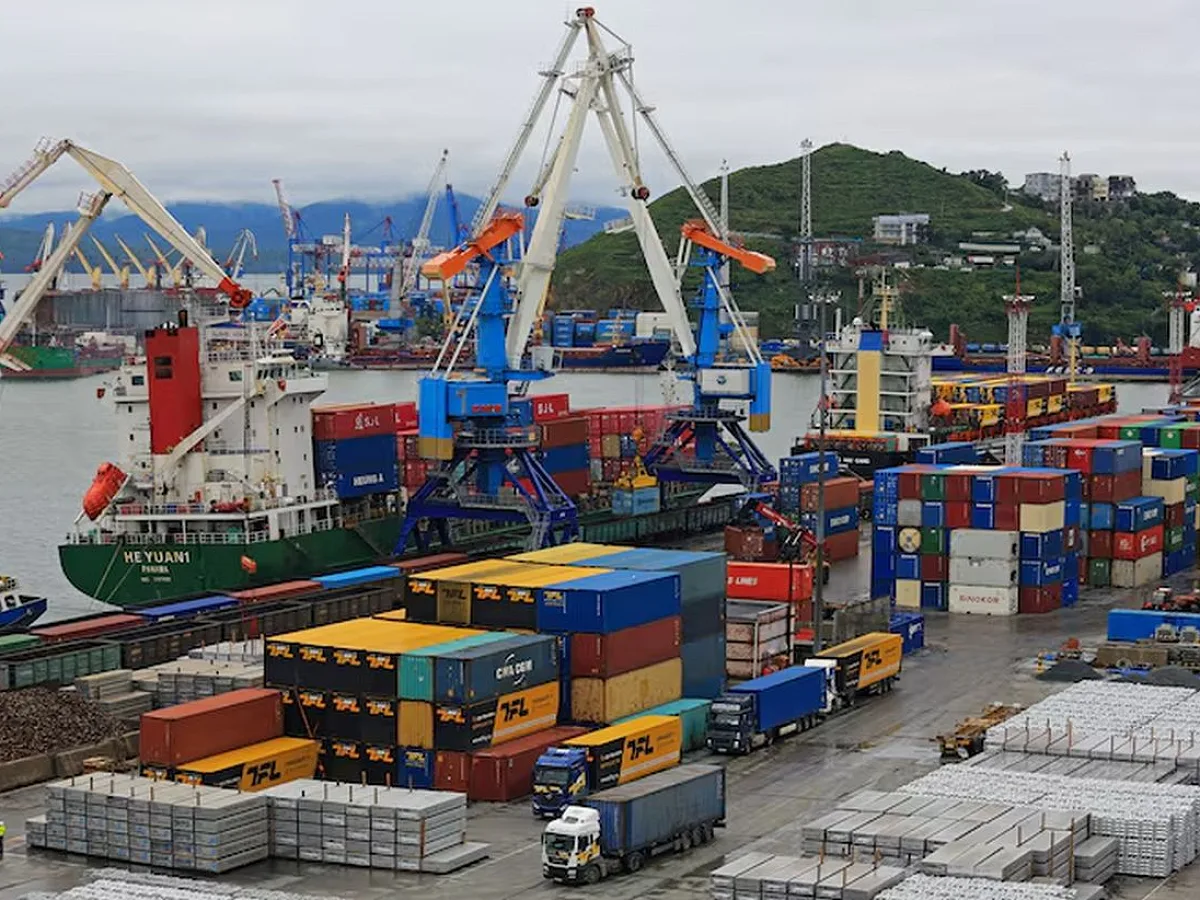
India and Russia are exploring cooperation in this area as both countries seek more secure supply chains. The partnership could also expand into artificial intelligence, information technology and other advanced industries.
Technology cooperation is becoming more important as global supply chains change. India is developing its manufacturing and digital capabilities, while Russia is seeking new markets and partners amid restrictions on trade with several Western countries.
Reaching the $100 Billion Goal
The new India-Russia Trade target of $100 billion by 2030 will require growth across several sectors. The current trade level of around $60 billion means another $40 billion needs to be added.
Achieving this target will depend on increasing Indian exports, expanding industrial partnerships, attracting investment and improving trade-related payment and transport systems.
Both countries are also looking at new areas beyond traditional defence and energy cooperation. Pharmaceuticals, engineering, automobiles, technology, critical minerals, nuclear energy and advanced manufacturing could become increasingly important parts of the economic relationship in the coming years.
The push comes as India continues to strengthen trade relationships with major economies while Russia seeks to expand economic links with Asian markets.