

Glacial Lake Warning System Begins

Glacial Lake Warning efforts have begun in Uttarakhand with the installation of the state’s first real-time early-warning system at Vasundhara Tal in Chamoli district. The scientific and technical team was sent to the high-altitude lake on September 29, 2026, as part of a wider plan to monitor glacial lakes and reduce the risk of sudden floods. The operation is scheduled to continue until October 15.
Thank you for reading this post, don't forget to subscribe!First Early-Warning System at Vasundhara Tal
Vasundhara Tal is among the glacial lakes identified as high-risk in Uttarakhand. The new monitoring system will collect real-time information about changes in the lake and its surrounding environment.
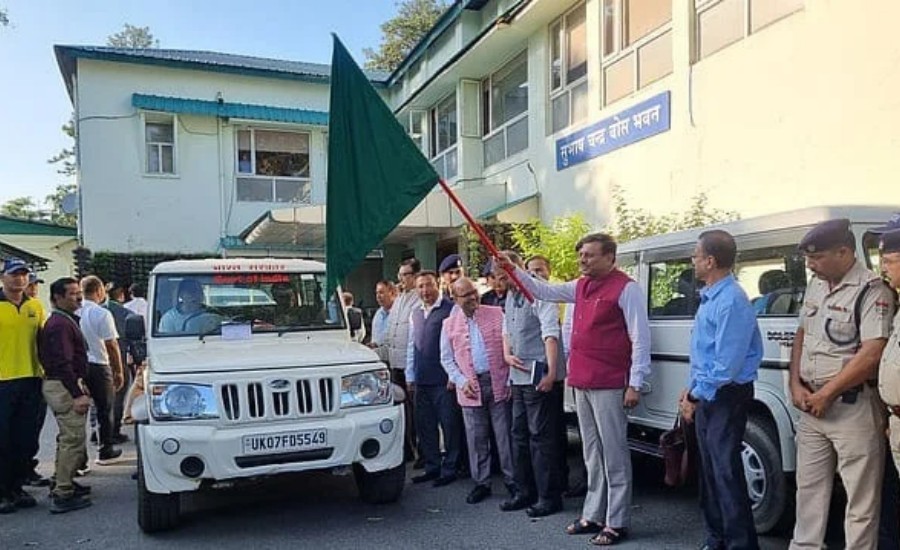
The project involves scientists and technical experts from the Wadia Institute of Himalayan Geology in Dehradun and the Central Building Research Institute in Roorkee. Personnel from the State Disaster Response Force, National Disaster Response Force and Indo-Tibetan Border Police are also supporting the field operation. Uttarakhand Chief Secretary Anand Bardhan flagged off the team from Dehradun on September 29.
How the Glacial Lake Warning System Will Work
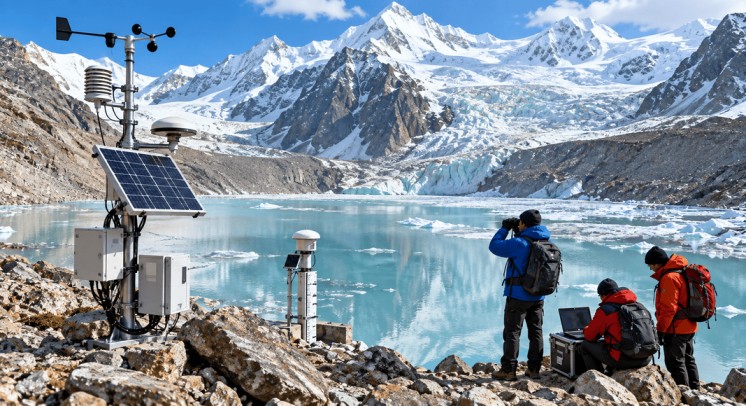
The Glacial Lake Warning system will use several sensors to track changes around Vasundhara Tal. These include water-level sensors, weather instruments, snow-depth sensors and equipment to detect changes below the surface.
The system will also monitor water flow and movement around the lake. Tilt and accelerometer sensors can help identify unusual ground movement or vibrations. An automatic weather station will record conditions such as temperature, rainfall, humidity and wind.
The location is in a remote high-altitude area without normal mobile network coverage. Because of this, the system will use satellite communication to send information to monitoring authorities. Solar power will also be used to operate the equipment at the site.
Why GLOF Monitoring Matters
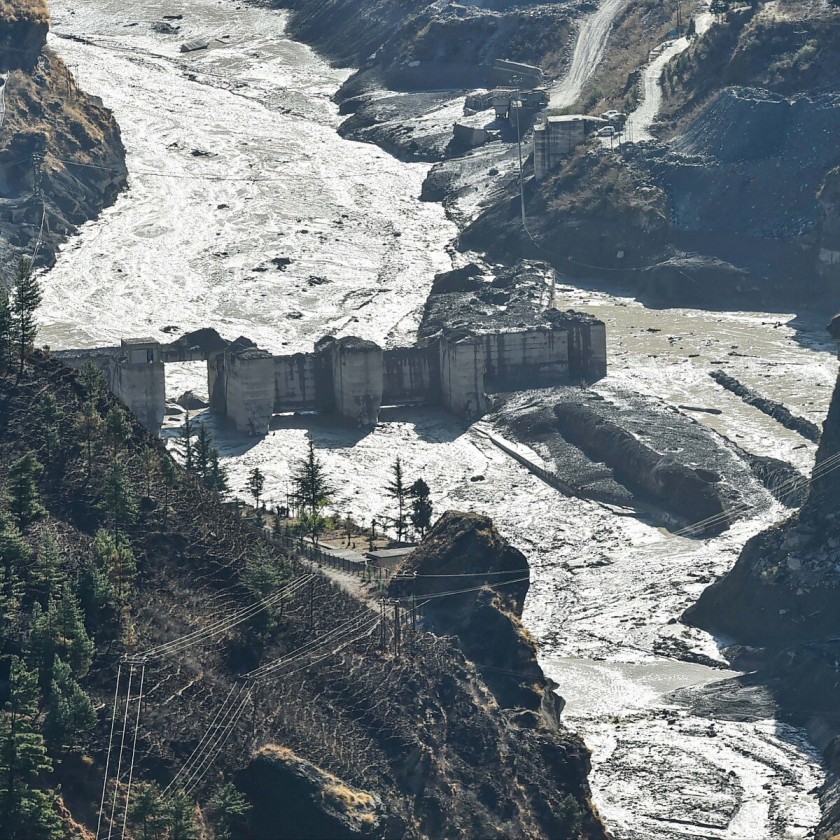
A Glacial Lake Outburst Flood, or GLOF, happens when a large amount of water suddenly escapes from a glacial lake. A natural dam made of ice, rock or moraine can become unstable because of changing conditions, triggering a rapid release of water.
Such floods can carry water, rocks, ice and other debris into downstream valleys. This can threaten settlements, roads, bridges and hydropower infrastructure.
Vasundhara Tal has been the subject of detailed scientific studies. An NRSC assessment found that its water-spread area increased from about 10.53 hectares in 1962 to 51.07 hectares in 2024. The study also assessed possible flood scenarios following a breach of the lake’s natural moraine dam.
Uttarakhand Has Hundreds of Glacial Lakes
According to government and scientific data cited in recent reports, 344 glacial lakes were identified in Uttarakhand in 2023. Of these, 13 have been classified as high-risk by the National Disaster Management Authority and technical institutions.
Six of the 13 high-risk lakes are located in Pithoragarh, four in Chamoli, and one each in Bageshwar, Tehri Garhwal and Uttarkashi. Bathymetric surveys, which help determine the depth and water-holding capacity of lakes, have already been completed at six locations, including Vasundhara Tal and Saraswati Tal in Chamoli.
The National Remote Sensing Centre has also developed detailed glacial lake inventories using satellite data. Its broader Indian Himalayan inventory mapped 28,043 glacial lakes larger than 0.25 hectares across the Indus, Ganga and Brahmaputra river basins.
Recent Himalayan Disasters Increase the Focus
The new Glacial Lake Warning initiative comes as authorities across the Himalayan region are paying greater attention to sudden floods and glacier-related hazards.
Recent disasters in the Himalayan region, including the August 2026 floods in Nepal, have increased concern about the need for better monitoring and faster warnings. Uttarakhand also experienced the deadly Dharali flash flood in Uttarkashi in 2025, although the exact trigger of that event remained a matter of scientific discussion.
In September 2026, the Union Home Ministry also reviewed preparedness in Himalayan states and Union Territories for GLOFs and snow avalanches. The meeting focused on monitoring vulnerable glacial lakes, identifying high-risk areas, improving early warnings and strengthening evacuation and response systems.
Monitoring Planned for Other Vulnerable Areas
Uttarakhand authorities have indicated that the Vasundhara Tal project is part of a larger effort to improve scientific monitoring in the high Himalayas. The state has already directed agencies to adopt advanced technologies for monitoring glacial lakes and reducing disaster risks.
The information collected at Vasundhara Tal can help scientists understand how water levels, weather, snow, ground movement and water flow change over time. Similar systems could later be introduced at other vulnerable glacial lakes.
The key challenge will be connecting scientific measurements with quick decisions on the ground. Real-time data can help authorities identify unusual changes, assess the situation and prepare appropriate safety measures for areas located downstream.