

Indian Peafowl Recorded in Orang

Indian Peafowl has been recorded for the first time in Assam’s Orang National Park and Tiger Reserve, marking a new addition to the biodiversity records of the protected area. The bird was documented inside the park on 28 September 2026 after earlier field observations were reported near the Rowmari and Hazaribagh Anti-Poaching Camps.
Thank you for reading this post, don't forget to subscribe!The record has attracted attention because there was previously no confirmed documentation of the Indian Peafowl from Orang National Park. The photographic confirmation provides new information about the bird’s presence and movement in the area.
The sighting also adds to the growing wildlife records of Orang, one of Assam’s important protected areas known for its grasslands, wetlands and riverine habitats.
Indian Peafowl Recorded for the First Time
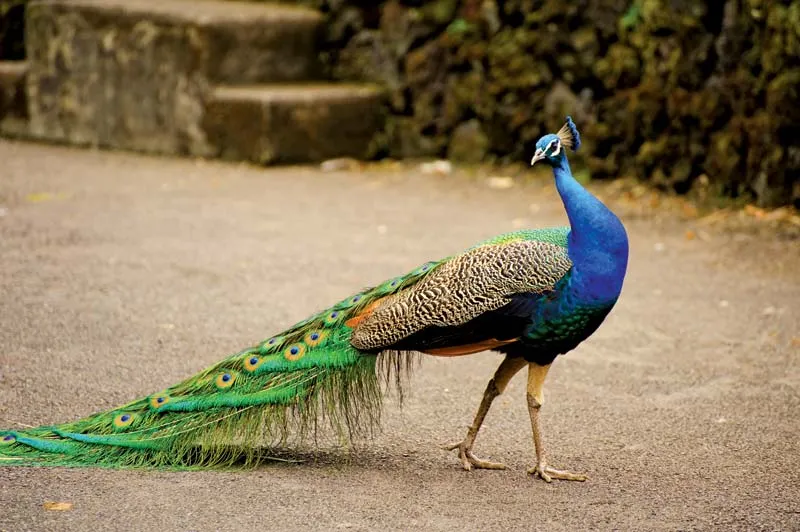
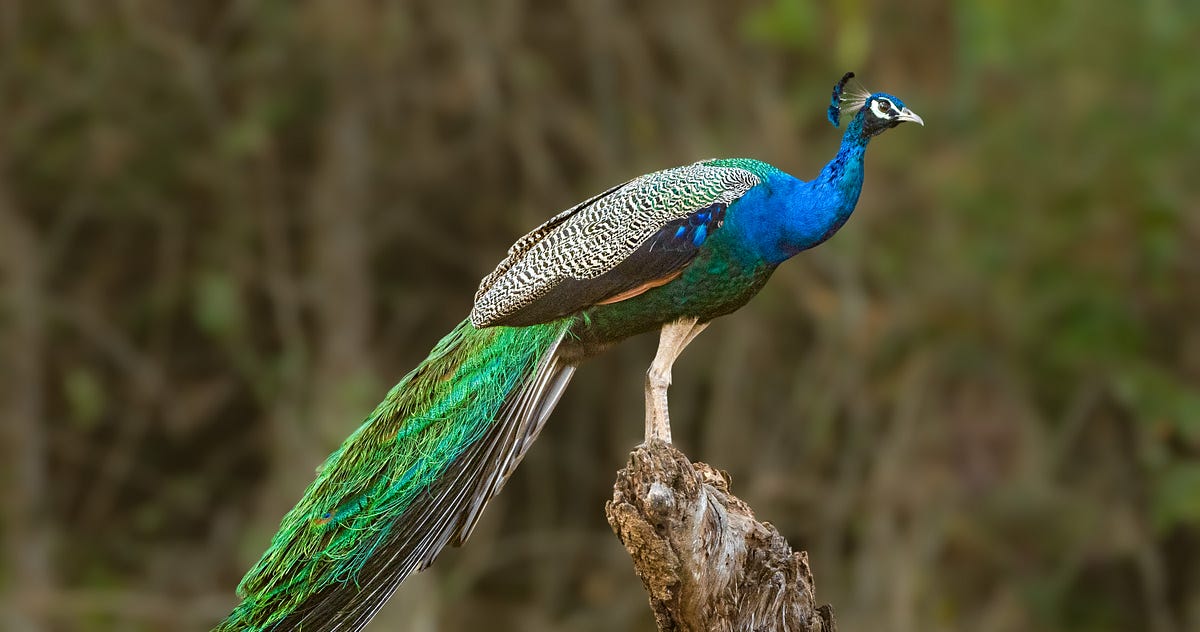
The Indian Peafowl, scientifically known as Pavo cristatus, was photographed inside Orang National Park and Tiger Reserve on 28 September. The species is commonly known as the Indian peacock when referring to the male bird.
The first photographic confirmation in the park was made by wildlife photographer Nejib Ahmed and cinematographer Chandan Saikia. Their documentation provided visual evidence of the bird’s presence within the protected area.
Earlier field observations had been reported around the Rowmari and Hazaribagh Anti-Poaching Camps. The latest sighting inside the park has now added stronger evidence of the species occurring in the Orang landscape.
A New Biodiversity Record for Orang
The documentation is important for Orang because the Indian Peafowl had not previously been confirmed from the national park. Wildlife records help authorities understand which species are present in a protected area and how animals and birds use different habitats.
The record was noted by Assam Environment and Forest Minister Jayanta Malla Baruah on 29 September 2026. The sighting has been described as an addition to the biodiversity records of both Orang and Assam.
Forest authorities are expected to continue monitoring the area to understand whether the bird is a temporary visitor or is using the habitat regularly.
About the Indian Peafowl
The Indian Peafowl belongs to the pheasant family Phasianidae. It is the national bird of India and is widely recognised for the colourful and long train of the male bird.
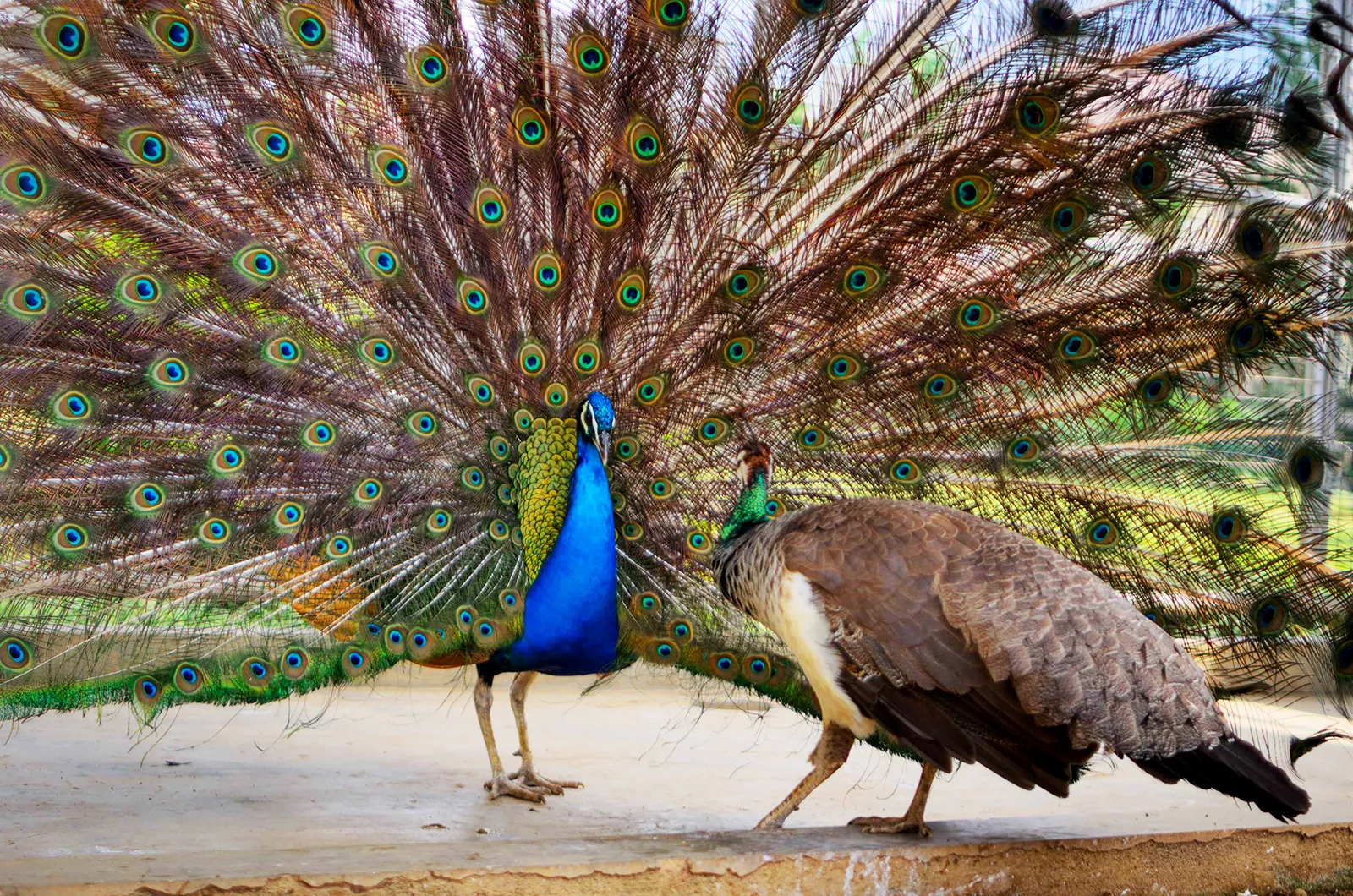
The male Indian Peafowl is known as the peacock, while the female is called the peahen. The male has a long train made up mainly of elongated upper tail coverts. These feathers are displayed during courtship and are one of the most recognisable features of the species.
Indian Peafowl can live in a variety of habitats, including open forests, grasslands, agricultural areas and areas close to human settlements. Their ability to use different environments makes records from protected areas useful for understanding their distribution.
Orang National Park and Tiger Reserve
Orang National Park and Tiger Reserve is located in Assam and contains a mixture of grasslands, wetlands and riverine habitats. These ecosystems support a wide range of wildlife and bird species.
The protected area is often called “Mini Kaziranga” because some of its landscapes and wildlife characteristics are similar to those of Kaziranga National Park.
Orang is particularly known for its grassland and wetland ecosystems. The Brahmaputra river system and associated water bodies influence the landscape and provide different habitats for wildlife.
The discovery of the Indian Peafowl adds another bird species to the documented wildlife records of the area and provides researchers and forest officials with additional information about the park’s biodiversity.
Earlier Records from the Region
Before the Orang sighting, the nearest earlier known record of the Indian Peafowl in the region was from Nunoi Wildlife Sanctuary in Udalguri district.
The distance between known records can provide useful information about the possible movement and distribution of a species. Continued field surveys may help determine whether Indian Peafowl are present in other areas surrounding Orang as well.
Wildlife species do not always remain within clearly defined administrative boundaries. Birds can move between different habitats depending on food, water, breeding conditions and seasonal changes.
The new Orang record could therefore encourage further observations in nearby forest and grassland areas.
Importance of Photographic Documentation
Photographs are important in wildlife documentation because they provide direct evidence of a species being present in a particular location. A confirmed photograph can help forest authorities and researchers update biodiversity records.
In the case of Orang, the photographic documentation by Nejib Ahmed and Chandan Saikia has provided evidence supporting the new record.
Such observations can also contribute to future studies of bird distribution. If the species is recorded repeatedly, authorities may be able to understand whether Orang is becoming part of its regular habitat range.
Monitoring Planned in Orang
Forest authorities have planned continued monitoring in the area following the new record. Regular monitoring can help track the bird’s movement and understand how it uses the habitat.
Officials and wildlife observers may look for additional sightings near the location where the bird was documented and in other suitable habitats within the protected area.
Monitoring can also help determine whether more individuals are present. A single sighting provides evidence of occurrence, while repeated observations over time can provide a clearer picture of the species’ presence.
Grasslands and Wetlands Support Wildlife
The habitat diversity of Orang National Park is one of the reasons it supports a wide range of species. Grasslands provide feeding and nesting areas for many birds, while wetlands support aquatic species and water-dependent wildlife.
Riverine areas also create changing habitats because water levels, floods and sediment movement can alter the landscape. Wildlife species may respond to these changes by moving between different parts of the protected area.
The presence of Indian Peafowl shows the importance of continuing biodiversity surveys across these different habitats.
Assam’s Growing Wildlife Records
Assam is known for its rich wildlife and diverse natural ecosystems. The state has several national parks, wildlife sanctuaries and tiger reserves that support different species of mammals, birds, reptiles and other animals.
New wildlife records are regularly documented through forest surveys, research and field observations. Each confirmed record helps improve understanding of the state’s biodiversity.
The Indian Peafowl record in Orang is another example of how continued observation can add new information about wildlife distribution.
Continued Attention on Orang’s Biodiversity
The first confirmed record of the Indian Peafowl in Orang National Park and Tiger Reserve has added a new species record to the protected area’s biodiversity documentation. The sighting on 28 September 2026 followed earlier observations near anti-poaching camps and was supported by photographic evidence.
With monitoring planned by forest authorities, further observations may provide information about the bird’s movement, habitat use and possible presence in other parts of the Orang landscape. The new record also highlights the value of regular wildlife documentation in Assam’s protected areas.