


Mandar GI Tag for Jharkhand

Mandar GI Tag has given Jharkhand’s traditional folk instrument a formal geographical identity. The traditional percussion instrument has been registered as “Mandar of Jharkhand” by the Geographical Indications Registry in Chennai. The recognition links the instrument with Jharkhand’s traditional craftsmanship, locally sourced materials, distinctive design and long association with the state’s folk and tribal culture. The GI application was filed in 2021 by Raidih Mandar Producer Company Limited of Jarjatta village in Gumla district.
Thank you for reading this post, don't forget to subscribe!Mandar GI Tag Recognises a Traditional Instrument
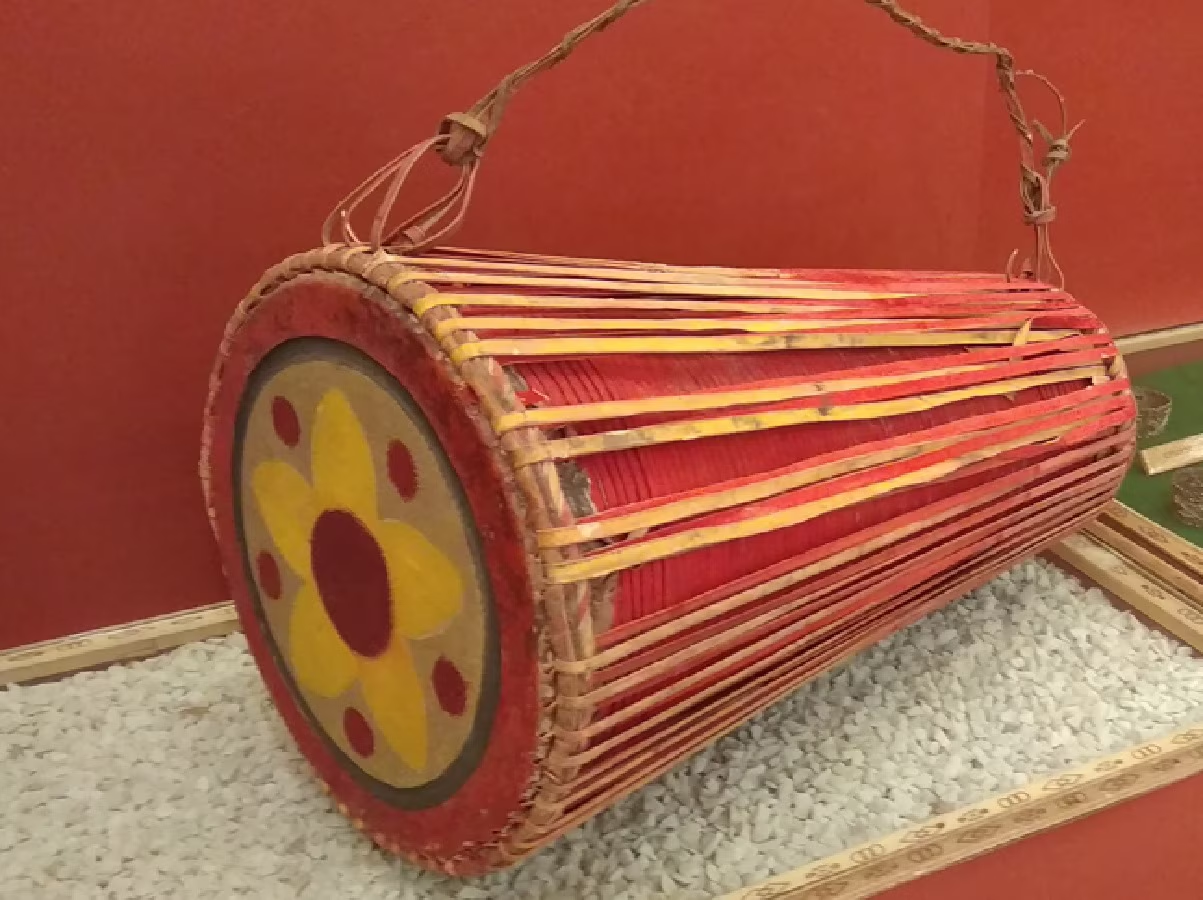
Mandar is a traditional double-headed percussion instrument widely associated with Jharkhand’s folk music, dance and community celebrations. It has a distinctive barrel-like body and is traditionally made using locally available materials, including red clay and leather.
The instrument has a strong connection with the cultural life of communities in the Chotanagpur region. It is used during folk performances, festivals, social gatherings and traditional dances. The GI registration formally records this geographical and cultural connection with Jharkhand.
The GI application documented the instrument’s traditional design, manufacturing practices, acoustic qualities and use of local raw materials. These details helped establish why Mandar is closely associated with Jharkhand rather than being treated simply as a general type of drum.
Gumla Plays a Major Role
Although the GI registration covers Mandar of Jharkhand, Gumla district played an important role in the registration process. The application was submitted by Raidih Mandar Producer Company Limited, based in Jarjatta village in Raidih block of Gumla district.
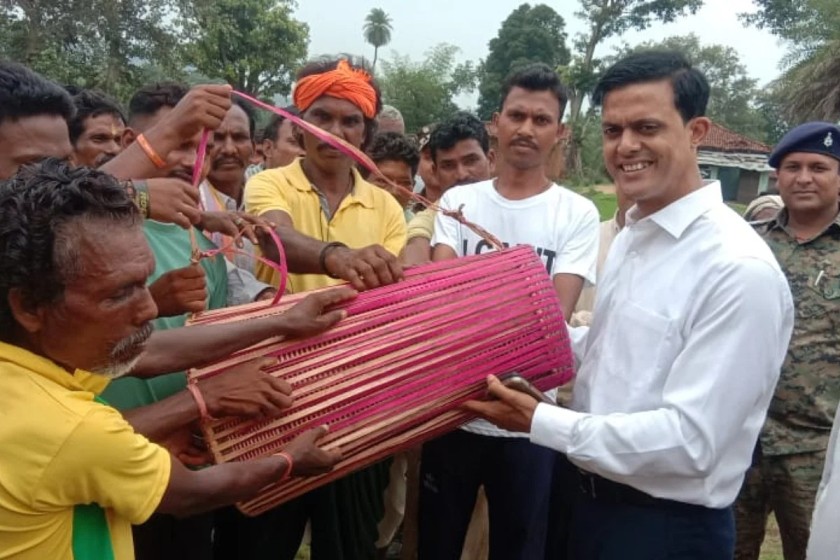
The organisation represents the traditional production community connected with the instrument. The official GI database lists the application as number 777, filed on September 24, 2021, with Jharkhand as the geographical area and handicrafts as the class of goods. The application is now listed as registered.
The involvement of local artisans is significant because the GI system is not only about the name of a product. It also records the relationship between a product, its place of origin and the traditional knowledge or practices that give it its identity.
Historical Records Supported the Application
The Mandar GI Tag application included historical material to establish the instrument’s long connection with the region.
Documents cited in the registration process included references dating back to 1915. The evidence included work associated with anthropologist Sarat Chandra Roy, research by Tarak Chandra Das and W. G. Archer’s 1940 work The Blue Grove. Archival material from the Patna Museum and other historical records was also used.
These records described Mandar in connection with music, dance and social life among indigenous communities in the region. Historical evidence was important in demonstrating that the instrument has a long-standing cultural association with the geographical area.
The application also went through a formal examination and hearing process. A final hearing was held in Delhi in January 2025, while further documentation and responses were submitted during the registration process.
What a GI Tag Means for Mandar
A Geographical Indication is a form of intellectual property protection for products whose qualities, reputation or characteristics are linked to a particular geographical area.
In India, GI registration is administered under the Geographical Indications of Goods (Registration and Protection) Act, 1999. The Geographical Indications Registry is located in Chennai and has all-India jurisdiction.
For Mandar, the registration provides an official identity connected with Jharkhand. It can help distinguish traditionally made Mandars associated with the registered geographical area from products that may use the same name without the same traditional connection.
The recognition also creates a stronger foundation for promoting the instrument and its associated craftsmanship beyond local markets.
Importance for Traditional Artisans
The Mandar GI Tag comes at a time when traditional crafts and cultural products are receiving greater attention across India. GI recognition can help communities present their products with a documented geographical identity.
For artisans in Gumla and other parts of Jharkhand, the registration provides formal recognition of a craft that has been passed through generations. It may also support efforts to promote traditional manufacturing skills, encourage younger people to learn the craft and increase awareness of the instrument outside the state.
The GI status does not automatically guarantee higher income for every artisan, but it provides a legal and cultural framework that can be used for promotion, market development and protection of the product’s geographical identity.
Jharkhand’s Growing GI Identity
Mandar joins a wider group of products and cultural traditions associated with Jharkhand that have received GI recognition. The state’s GI portfolio includes traditional art forms and food products, reflecting its agricultural, handicraft and cultural diversity.
The recognition of Mandar is particularly notable because it represents a musical tradition rather than only a commercial agricultural or food product. It connects the GI system with the preservation of folk instruments, traditional knowledge and community-based craftsmanship.
The registration also gives greater visibility to Gumla, which has been central to the effort to document and preserve Mandar-making traditions. Recent reports have highlighted the role of local administration, artisans and intellectual-property experts in completing the long registration process.
A New Identity for Jharkhand’s Folk Heritage
The Mandar GI Tag places one of Jharkhand’s best-known traditional instruments within India’s protected geographical heritage system. The registration records its connection with local materials, traditional manufacturing methods, distinctive sound and the cultural practices of the state.
For Jharkhand, the recognition adds another layer to ongoing efforts to preserve tribal and folk traditions while giving traditional artisans a stronger identity in wider markets. The focus will now be on maintaining the traditional methods, supporting skilled makers and ensuring that the cultural knowledge behind Mandar continues to be passed to future generations.