
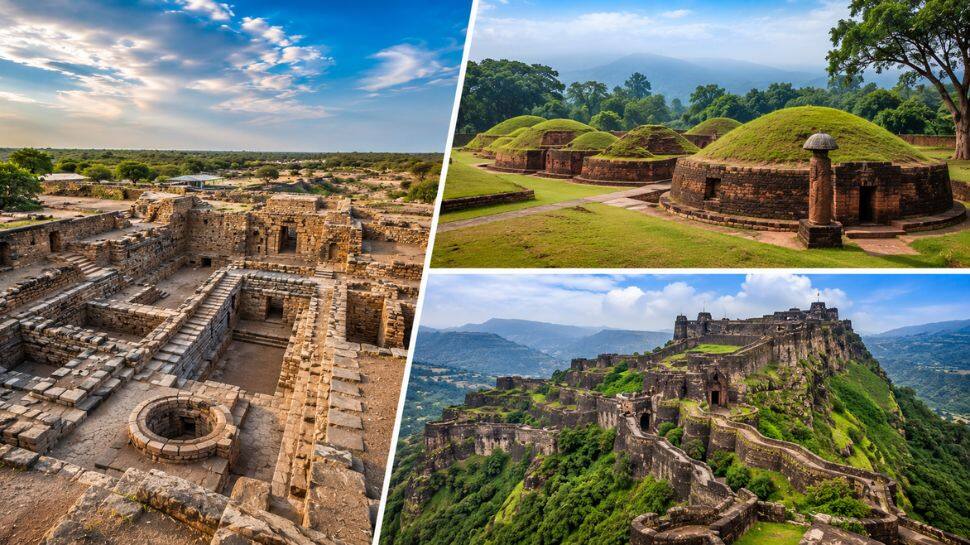
UNESCO Tentative List Adds Five Indian Sites

UNESCO Tentative List has received five new Indian properties, expanding India’s list of places that may be considered for World Heritage status in the future. The new additions were made on September 29–30, 2026, taking India’s total number of properties on the UNESCO Tentative List to 78.
Thank you for reading this post, don't forget to subscribe!The latest additions include four important heritage locations from Madhya Pradesh and one major serial transnational proposal connecting the heritage of India and South Africa. The new entries highlight India’s Buddhist, Gupta-era, tribal and modern historical heritage.
What Is the UNESCO Tentative List?
The UNESCO Tentative List is an important stage in the World Heritage process. It is a list of cultural, natural or mixed properties that a country may nominate for inclusion in the UNESCO World Heritage List in the future.
A property normally needs to be included in the country’s Tentative List before a formal World Heritage nomination can be submitted. However, being placed on the list does not mean that a site has already become a UNESCO World Heritage Site.
The list allows countries to identify heritage places that they consider to have potential outstanding universal value. After this stage, detailed studies and nomination documents are prepared before UNESCO can formally evaluate a property.
Four New Heritage Sites from Madhya Pradesh
Four of the five new additions to the UNESCO Tentative List are located in Madhya Pradesh. The state has a rich heritage connected with ancient kingdoms, Buddhism, temple architecture, caves and tribal traditions.
The newly included properties from Madhya Pradesh are Bagh Cave Paintings, Group of Temples of the Chambal Valley, Udaigiri Caves and Ginnorgarh.
These sites represent different periods and traditions of Indian history. Together, they add greater variety to India’s heritage proposals and highlight the cultural importance of Madhya Pradesh.
Bagh Cave Paintings
The Bagh Cave Paintings are among the important examples of ancient Indian Buddhist art. The caves are known for their murals, which contain artistic representations connected with Buddhist themes and ancient Indian life.
The paintings are important because they show the development of mural art and the cultural environment of the period in which the caves were created.
Their addition to the UNESCO Tentative List gives greater international attention to the artistic and historical value of the Bagh caves.
Group of Temples of the Chambal Valley
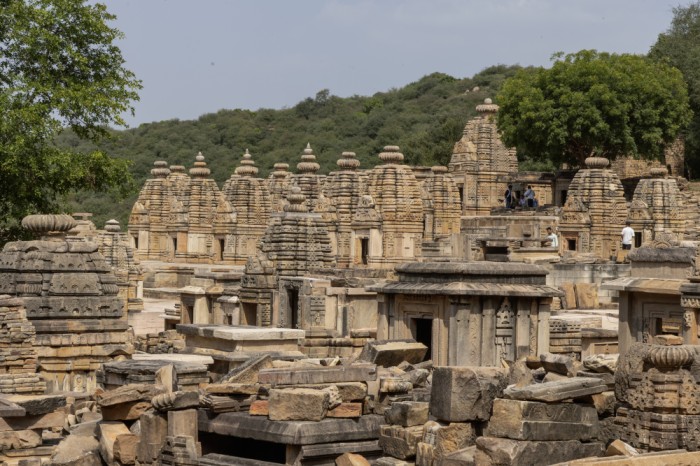
The Group of Temples of the Chambal Valley is another new addition from Madhya Pradesh. The region contains temples and architectural remains that reflect the development of religious architecture in central India.
The temples form an important part of the cultural landscape of the Chambal region. Their inclusion in the Tentative List provides an opportunity for further documentation and assessment of their architectural and historical importance.
Udaigiri Caves
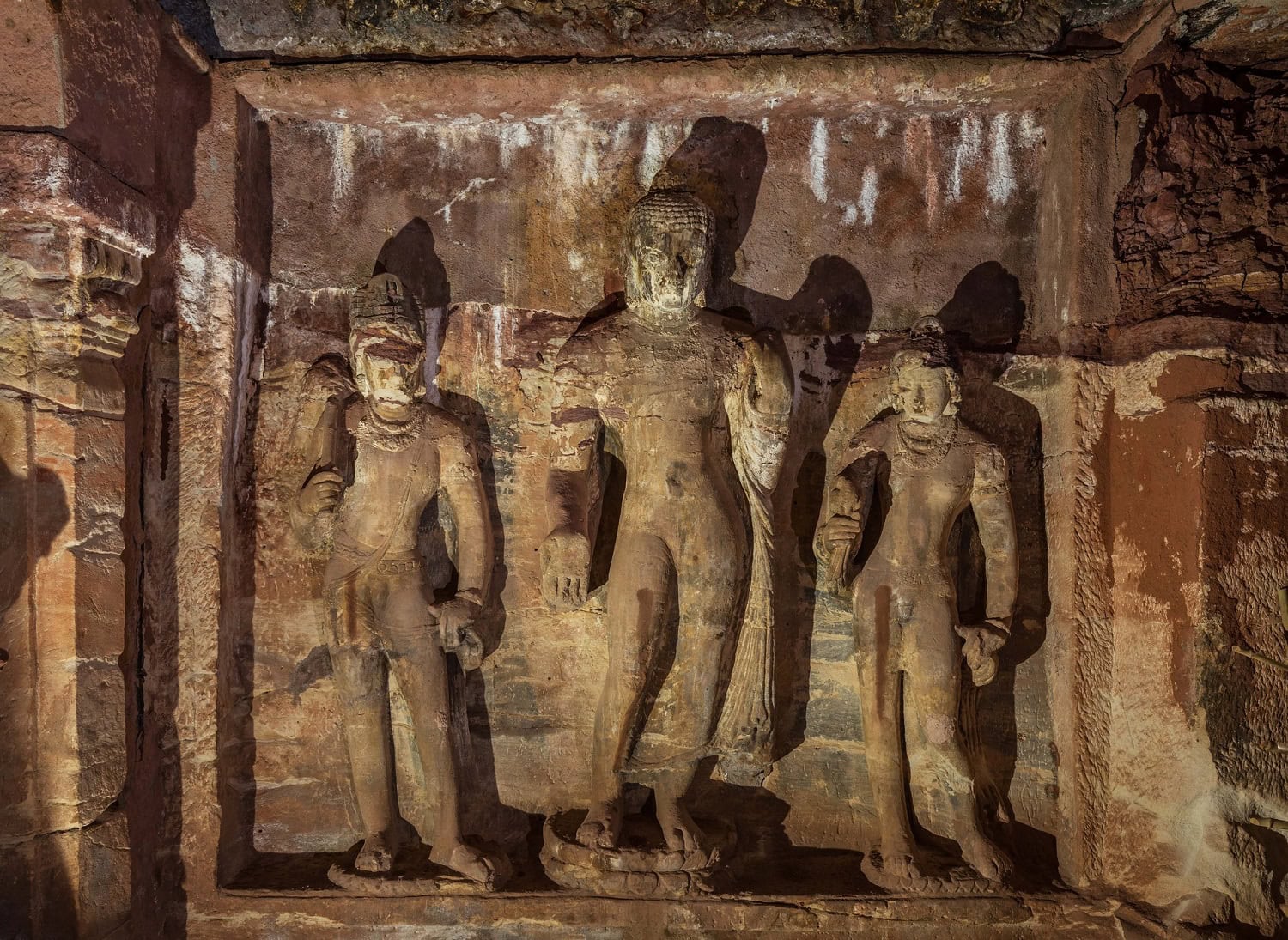
The Udaigiri Caves are associated with the Gupta period and are among the significant ancient rock-cut heritage sites of Madhya Pradesh.
The caves contain sculptures, inscriptions and religious imagery connected with the Gupta era. They provide information about religion, art, architecture and political culture during one of the important periods of ancient Indian history.
The addition of the Udaigiri Caves to the UNESCO Tentative List strengthens the representation of Gupta-era heritage in India’s World Heritage nomination process.
Ginnorgarh and Tribal Heritage
Ginnorgarh represents another dimension of Madhya Pradesh’s heritage. Its inclusion highlights the importance of tribal traditions and cultural landscapes in the country’s heritage conservation efforts.
Heritage is not limited to large monuments or ancient temples. Traditional communities, cultural practices and landscapes can also carry historical value. The inclusion of Ginnorgarh therefore adds a different type of heritage to the latest additions.
Sites of Satyagraha Links India and South Africa
The fifth new entry is different from the four Madhya Pradesh sites. It is a serial transnational proposal called Sites of Satyagraha, connecting heritage locations in India and South Africa.
The proposal contains nine components in total. It reflects important locations associated with Mahatma Gandhi and the development of the Satyagraha movement.
The Indian components include the Mahatma Gandhi Satyagraha Smarak, Sabarmati Ashram, Mani Bhavan complex, Harijan Sevak Sangh complex, Sevagram Ashram, Aga Khan Palace and Gandhi Smriti residence.
The two South African components are Pietermaritzburg station and Phoenix Settlement.
The proposal is significant because it connects locations in two countries through a shared historical story. It also shows how a World Heritage proposal can include several sites across national borders when they are linked by a common theme.
India’s Heritage List Continues to Expand
The addition of five properties brings India’s total number of properties on the UNESCO Tentative List to 78. The list includes different types of heritage, such as archaeological sites, monuments, cultural landscapes and serial nominations.
India has a large and diverse heritage spread across its states and regions. The Tentative List provides a way to identify and document sites that may be considered for future World Heritage nominations.
The latest additions also show that heritage recognition is not limited to one historical period. The new sites cover ancient Buddhist art, Gupta-era heritage, temple architecture, tribal cultural heritage and modern history connected with the Satyagraha movement.
What Happens After Inclusion?
Being added to the UNESCO Tentative List is only one stage in the World Heritage process. A site still needs detailed documentation and a formal nomination before UNESCO can assess it for World Heritage status.
The nomination process can involve information about the site’s history, architecture, cultural importance, conservation condition and management system. The country must also provide supporting documents to explain why the property has outstanding universal value.
UNESCO then follows its established evaluation process before a property can be considered for inscription on the World Heritage List.
Therefore, the five new Indian additions should be seen as potential future World Heritage nominations rather than confirmed World Heritage Sites.
India’s Growing Focus on Heritage Conservation
The latest update to the UNESCO Tentative List reflects the continued effort to identify and document important heritage places across India.
The inclusion of sites from Madhya Pradesh brings attention to lesser-known archaeological and cultural locations, while the Sites of Satyagraha proposal connects important historical places in India and South Africa.
The new entries also add to the wider discussion around heritage conservation, documentation and international recognition. As India prepares future nomination proposals, these sites will remain part of the country’s ongoing World Heritage process.