


Foodgrain Production Target for 2026-27

Foodgrain Production Target for India has been fixed at 373.93 million tonnes for the 2026-27 crop year, according to the Union Agriculture Ministry. The target was announced on September 29, 2026, by Union Minister of Agriculture and Farmers’ Welfare Shivraj Singh Chouhan. The target is slightly lower than the record foodgrain output of 376.56 million tonnes achieved during 2025-26.
Thank you for reading this post, don't forget to subscribe!The new target comes at a time when the agriculture sector is closely watching weather conditions, crop acreage, fertiliser availability and global food supply risks. The government is also focusing on the performance of both kharif and rabi crops to maintain adequate food supplies across the country.
India’s Foodgrain Production Target
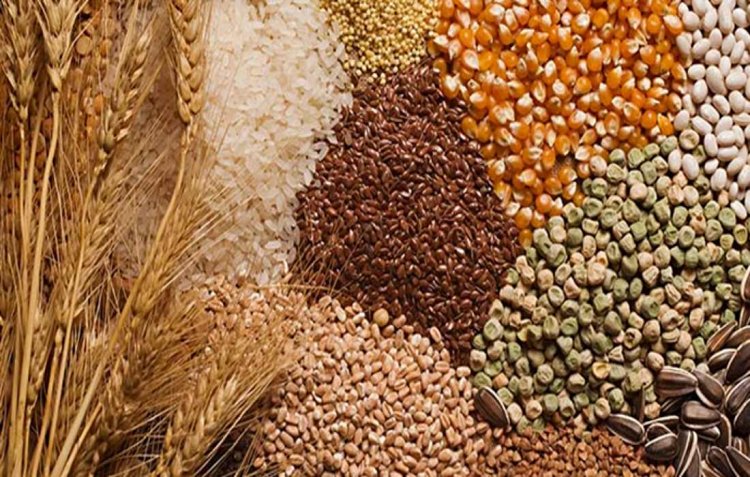
India’s foodgrain production includes major cereals and pulses grown during different crop seasons. Rice, wheat, maize, jowar, bajra and barley are among the major cereals, while gram, tur, urad, moong and lentil are important pulses.
For 2026-27, the government has set separate production expectations for the major agricultural seasons. The rabi foodgrain production target is 177.72 million tonnes, higher than the estimated or achieved rabi production range of 171.14 million to 174.51 million tonnes in 2025-26.
The overall target takes into account crop conditions, expected acreage and possible weather-related challenges during the agricultural year.
Kharif and Rabi Crops
India’s agricultural calendar is mainly divided into kharif, rabi and summer crop seasons. Kharif crops are generally sown when the southwest monsoon arrives and are harvested later in the year. Rice, maize, soybean and several other crops are important kharif crops.
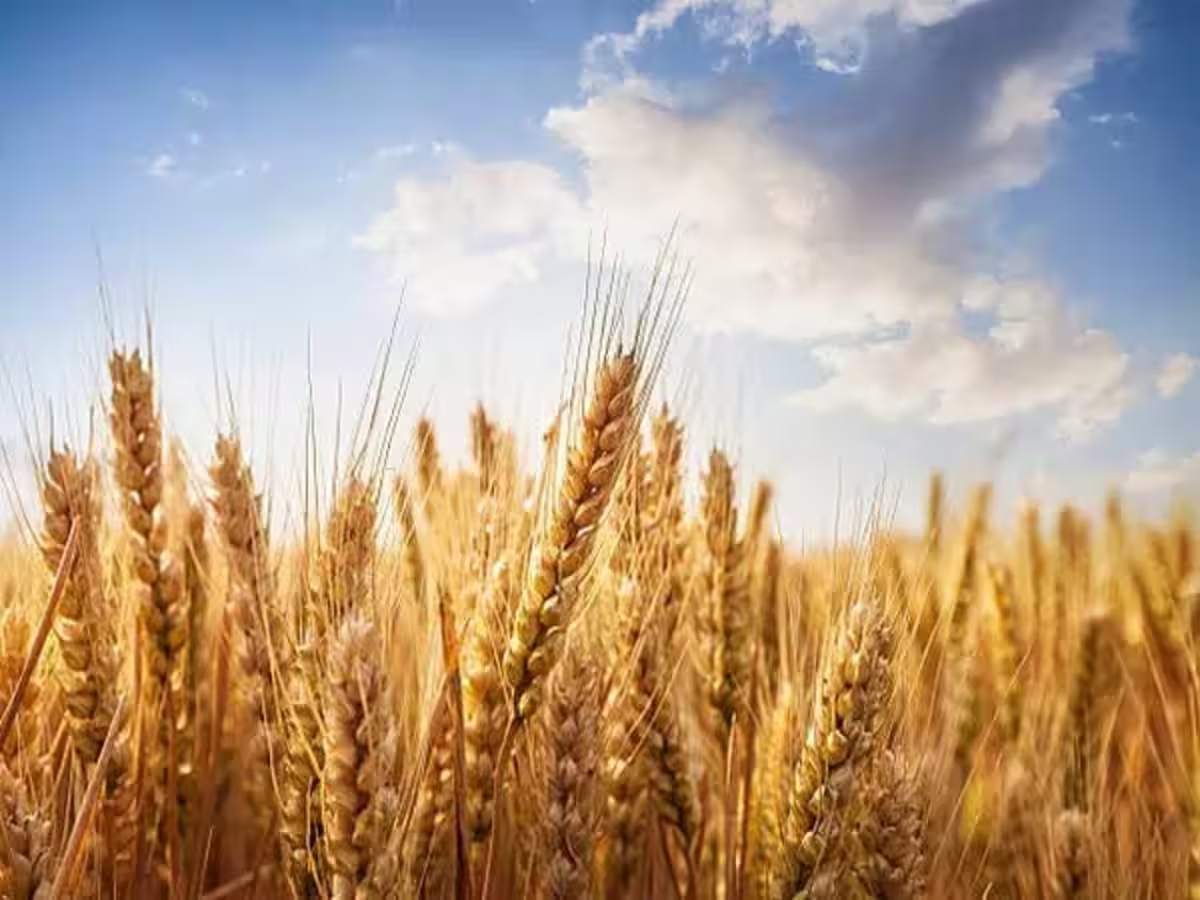
Rabi crops are normally sown during the winter season and harvested during spring. Wheat is the most important rabi cereal, while gram, lentil and other pulses are also grown during this season.
The performance of both seasons is important for India’s total foodgrain production. A strong kharif harvest can support supplies during the year, while good rabi production is important for wheat and several major pulses.
Kharif Acreage Shows Some Changes
The government is also monitoring the area under different kharif crops. As of September 18, 2026, the total kharif crop area stood at 110.39 million hectares. This was around 1.5 million hectares lower than the area recorded during the previous year.
Rice, one of India’s most important food crops, recorded a decline in acreage. Rice cultivation covered around 42.9 million hectares, representing a year-on-year fall of about 3.7%.
At the same time, the area under pulses increased. Pulses acreage rose by around 1.4% to 11.9 million hectares. The change in crop area can influence the final production numbers and may also affect market supplies and prices.
Weather Remains an Important Factor
Weather conditions remain one of the major factors behind the 2026-27 Foodgrain Production Target. Indian agriculture depends significantly on the southwest monsoon, particularly for kharif crops.
The government is considering risks linked to uneven rainfall, drought-like conditions in some areas and the possibility of El Niño conditions. Changes in rainfall patterns can affect sowing, crop growth and harvesting.
El Niño refers to the periodic warming of the central and eastern equatorial Pacific Ocean. It can influence global weather patterns, including rainfall conditions in different regions.
Farmers also face other weather risks such as excessive rainfall, floods, heatwaves and prolonged dry periods. These conditions can affect crop yields even when the total cultivated area remains stable.
Rabi Production Target Increased
The government has set a rabi foodgrain production target of 177.72 million tonnes for 2026-27. This is higher than the estimated or achieved production range recorded for the previous rabi season.
The rabi season is especially important for wheat production. Wheat is a major staple food in India and contributes significantly to the country’s overall foodgrain supply.
The government and agricultural agencies will monitor sowing progress, soil moisture, irrigation availability, fertiliser supplies and weather conditions during the rabi season. These factors will play a role in determining whether the production target can be achieved.
Fertiliser and Global Supply Concerns
Food production is also connected with the availability of agricultural inputs. Fertilisers are important for maintaining crop productivity, and any disruption in their supply can create challenges for farmers.
Recent discussions on food security have also highlighted risks related to fertiliser shortages and disruptions in international grain shipments. Global weather events and changes in agricultural production in major exporting countries can influence international food markets.
For India, maintaining adequate domestic foodgrain production helps reduce exposure to sudden changes in global supply conditions.
Food Security and Domestic Supply
India’s food security depends on a combination of domestic production, government procurement, storage and distribution. Cereals and pulses produced by farmers enter different parts of the food supply chain.
Government procurement, including purchases made under the minimum support price system for eligible crops, is an important part of this system. Procured foodgrains can contribute to government stocks and support food distribution programmes.
The Foodgrain Production Target therefore has importance beyond the farm sector. Production levels can influence the availability of cereals and pulses, procurement operations and the management of food stocks.
Focus on Rice, Wheat and Pulses
Rice and wheat remain central to India’s food supply. Rice is one of the major kharif cereals, while wheat is the leading rabi cereal.
Pulses are also receiving attention because they are an important source of protein in the Indian diet. The increase in pulses acreage during the 2026 kharif season is therefore an important development for the agricultural sector.
Production of pulses can vary depending on rainfall, irrigation, crop diseases and market conditions. Increasing domestic production can help strengthen the availability of pulses and reduce pressure from external supplies.
Monitoring the 2026-27 Crop Year
The 2026-27 agricultural year will be closely monitored as farmers move from the kharif harvest towards the rabi sowing season. Crop acreage, weather conditions, input availability and yield trends will influence the final production outcome.
The government’s target of 373.93 million tonnes is below the record production achieved in 2025-26, but it remains a major production goal for the country.
Regular updates on sowing, crop conditions and weather will help determine how agricultural production develops through the year. The final foodgrain output will depend on actual crop performance across different states and seasons.