


Pakistan Basmati GI Recognition in Türkiye

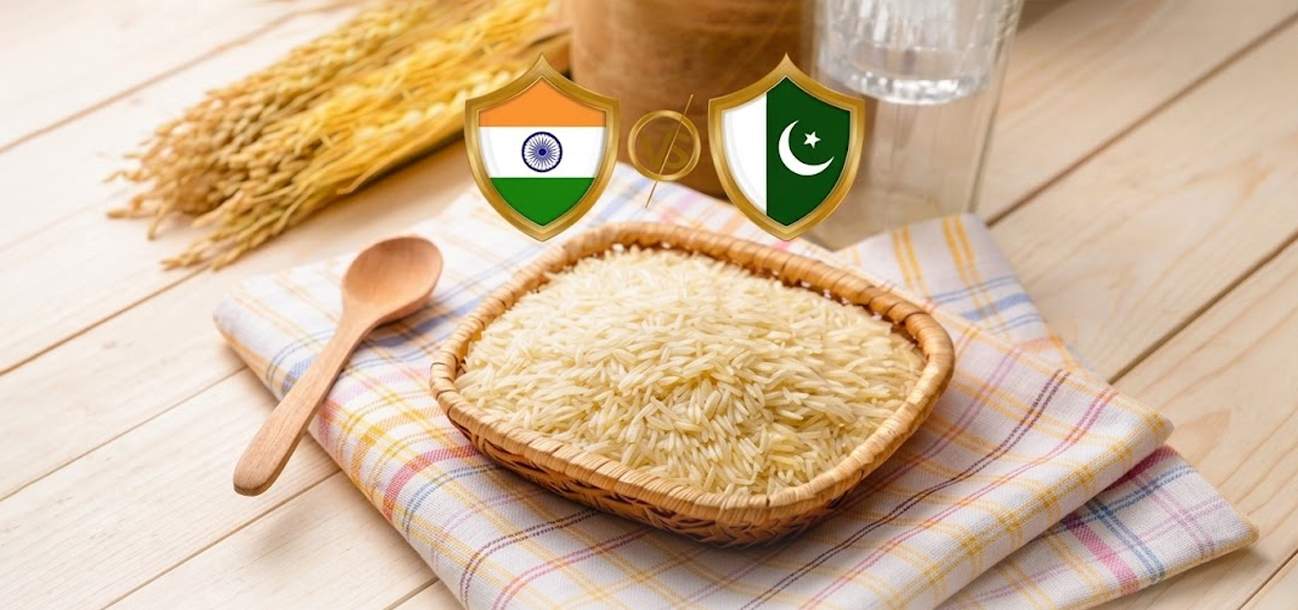
Pakistan Basmati GI recognition in Türkiye has become an important development in the international rice trade. Pakistan secured Geographical Indication (GI) recognition for Basmati rice in Türkiye in May 2026 after a dispute with India over the registration of the product. This decision has strengthened Pakistan’s efforts to promote its Basmati rice in international markets and protect its traditional agricultural products.
The development is important because Basmati rice is a valuable agricultural export for both India and Pakistan. Both countries have a long history of producing this special variety of aromatic rice. The recognition in Türkiye has also brought fresh attention to the ongoing international dispute over the geographical identity and marketing rights of Basmati rice.

Pakistan Secures GI Recognition in Türkiye
Pakistan received GI recognition for Basmati rice in Türkiye in May 2026. The development followed India’s application to the Turkish Patent Office in April 2023. India had sought exclusive rights over the Basmati name in the Turkish market.
Pakistan challenged India’s application by presenting its legal position through experts from the Trade Development Authority of Pakistan (TDAP). Pakistan also used an 18,000-tonne Tariff Rate Quota as part of its trade-related efforts.
The outcome opened new opportunities for Pakistani Basmati rice in Türkiye. The country’s leading retailer, A-101, placed initial orders for the rice. Pakistan also started promotional activities in Ankara to increase awareness and attract Turkish consumers.
Pakistan’s Earlier Registration Pakistan Basmati GI
Pakistan had already taken steps to protect its Basmati rice before the dispute in Türkiye. In January 2021, the country registered Basmati as a Geographical Indication under its Geographical Indications (Registration and Protection) Act, 2020.
The Trade Development Authority of Pakistan (TDAP) was registered as the official applicant for the product. This registration helped Pakistan establish its legal claim over the Basmati name and protect the identity of its rice in international trade.
A Geographical Indication is a special label given to products that come from a particular geographical area. Their quality, reputation or other characteristics are connected to that place. Examples include agricultural products, food items and traditional handicrafts.
India and Pakistan’s Basmati Dispute in the European Union
The disagreement over Basmati rice is not limited to Türkiye. India and Pakistan have also been involved in a long-running dispute over the product’s recognition in the European Union.
In 2018, India applied to the European Union for exclusive Protected Geographical Indication (PGI) rights over Basmati rice. Pakistan challenged the application because Basmati is also cultivated in its territory.
The dispute is important because both countries export Basmati rice to different international markets. Exclusive recognition for one country could affect the trade opportunities and branding rights of producers from the other country.
Both nations want to protect their agricultural identity and maintain their position in the global premium rice market.
Australia Court Rejects India’s Basmati Appeal
Another important development took place in Australia in August 2026. The Federal Court of Australia dismissed an appeal filed by India’s Agricultural and Processed Food Products Export Development Authority (APEDA).
APEDA had attempted to register Basmati as a certification trademark in Australia. However, the court’s decision recognised that Basmati rice is also grown in Pakistan.
This decision added another development to the international debate over the Basmati name. It also highlighted the challenges involved in protecting geographical product names when the same agricultural product is traditionally cultivated in more than one country.
Türkiye Supports Pakistan’s Basmati Claims
Pakistan’s efforts received further attention during a high-level trade discussion in November 2026.
On 4 November 2026, Türkiye’s Trade Minister Ömer Bolat met Pakistan’s Commerce Minister Jam Kamal Khan in Istanbul during a session of the Standing Committee for Economic and Commercial Cooperation of the Organization of Islamic Cooperation (COMCEC).
During the meeting, Ömer Bolat pledged support for Pakistan’s Basmati claims. He also called for stronger promotion and branding of Pakistani Basmati rice in the Turkish market.
The discussion showed the growing importance of agricultural trade relations between Pakistan and Türkiye. Better promotion, market access and branding could help Pakistani exporters reach more consumers in Türkiye.
Important Quality Standards for Basmati Rice
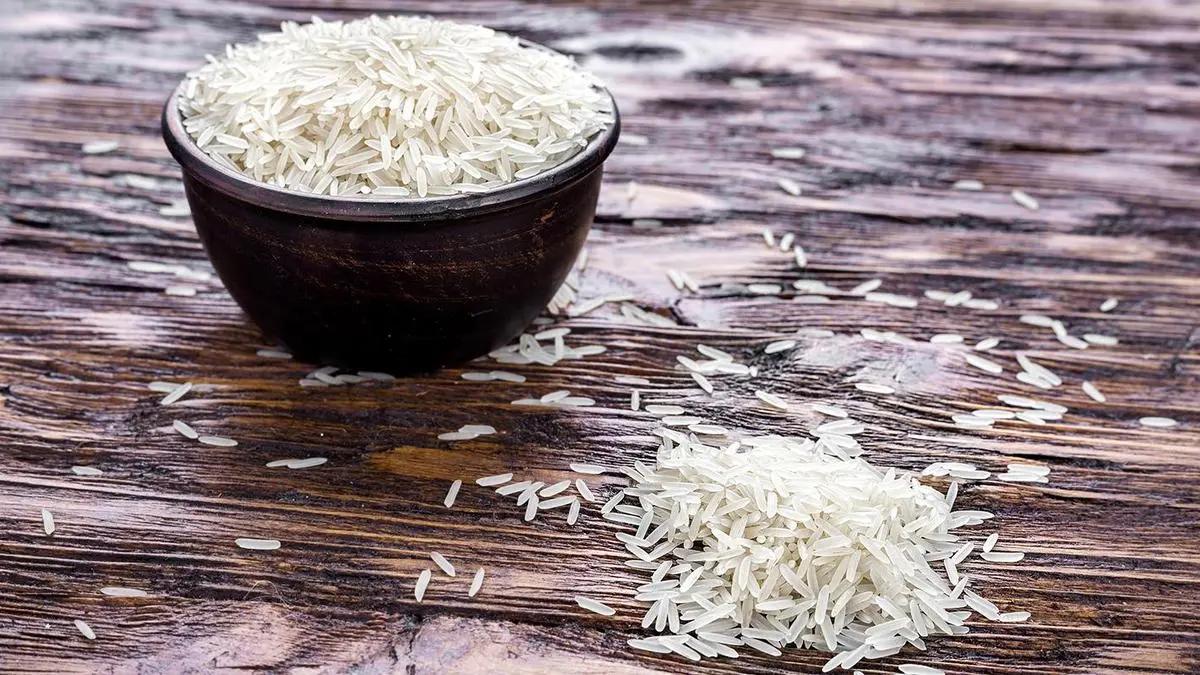
Basmati rice is known for its long grains, special aroma and cooking characteristics. India has established quality standards through APEDA to identify eligible Basmati varieties.
According to Indian criteria, the average precooked milled grain length must be at least 6.61 mm. The average grain breadth should not be more than 2 mm.
These measurements help maintain the quality and identity of Basmati rice in the Indian market and support its international reputation.
Why GI Recognition Matters for International Trade
Geographical Indication recognition plays an important role in protecting traditional products. It helps producers maintain the reputation of goods connected to a particular geographical region.
GI protection is generally territorial, which means that each country provides protection under its own laws. Recognition in one country does not automatically provide legal protection in every other country.
A product can receive GI protection when its quality, characteristics or reputation are linked to its geographical origin. Producers from the recognised area can use the GI name when they follow the required production standards.
For Basmati rice, these rules are especially important because India and Pakistan both have established cultivation areas and international markets.
Impact on the Global Basmati Rice Market
The Pakistan Basmati GI recognition in Türkiye may influence the competition between Indian and Pakistani rice exporters. Türkiye is an important market for agricultural products, and its retailers can provide new opportunities for international suppliers.
The initial orders from A-101 and promotional activities in Ankara may help Pakistani exporters increase their market presence. Strong branding can also improve consumer awareness and create new business opportunities.
At the same time, the continuing disputes in the European Union and Australia show that geographical recognition remains a major issue in international agricultural trade.
The development highlights how countries use GI registration, trademarks and trade discussions to protect traditional products and strengthen their position in global markets.