


Wayanad Farmers Win National Awards

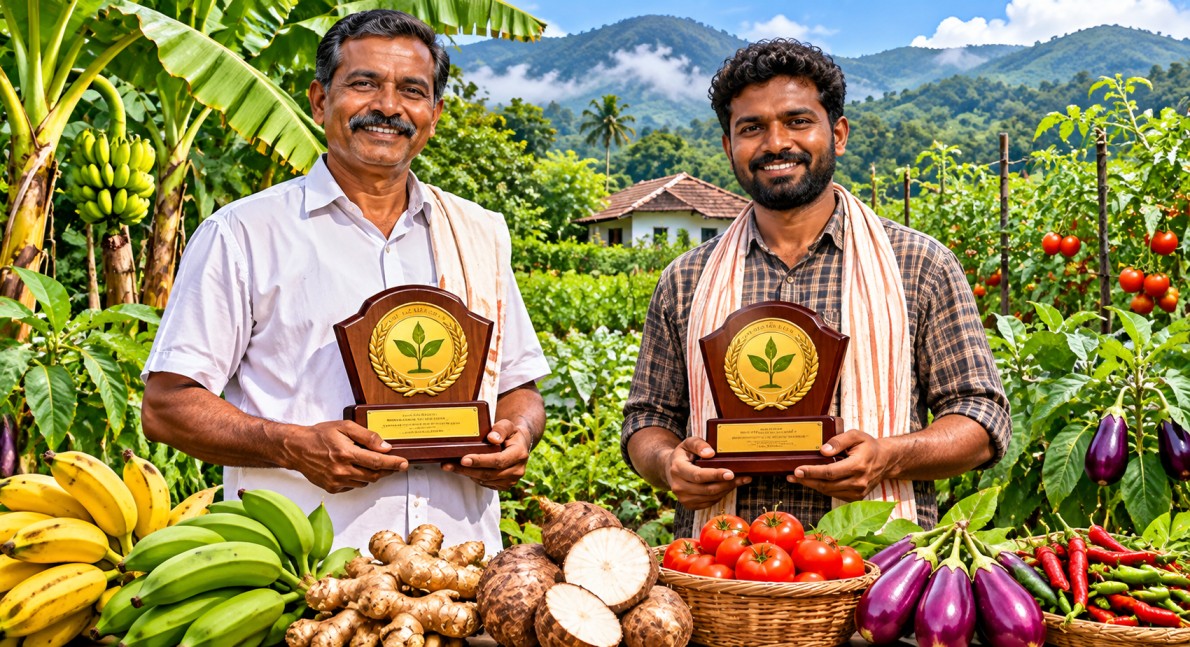
Wayanad Farmers have received national recognition for their efforts to protect traditional crops and preserve valuable plant varieties. Two farmers from Wayanad district in Kerala were honoured with the National Plant Genome Saviour Awards at a ceremony in New Delhi on 12 November 2026.
The awards were presented by P.K. Mishra, Principal Secretary to the Prime Minister. The Protection of Plant Varieties and Farmers’ Rights Authority (PPVFRA), New Delhi, selected the farmers for their contribution to conserving traditional and underused crop varieties.

Their work is important for protecting agricultural biodiversity, supporting sustainable farming and preserving plant resources that may be useful for future generations.
Babu N.K. Receives Plant Genome Saviour Farmer Reward
Babu N.K. received the Plant Genome Saviour Farmer Reward for 2023–24. The award included a cash prize of ₹1.50 lakh, a citation and a memento.
He has been conserving traditional and underutilised crops on his four-acre farm. His collection includes 39 varieties of banana, 11 varieties of root and tuber crops, and six varieties of ginger.
Many traditional crop varieties are gradually disappearing as farming practices change and farmers increasingly depend on a smaller number of commercial varieties. By maintaining different types of crops, farmers like Babu help protect genetic diversity and preserve agricultural knowledge.
His work also provides valuable plant material that may help researchers and agricultural experts study crop characteristics, including adaptability and resistance to environmental challenges.
Sooraj C.S. Recognised for Preserving Plant Genetic Resources
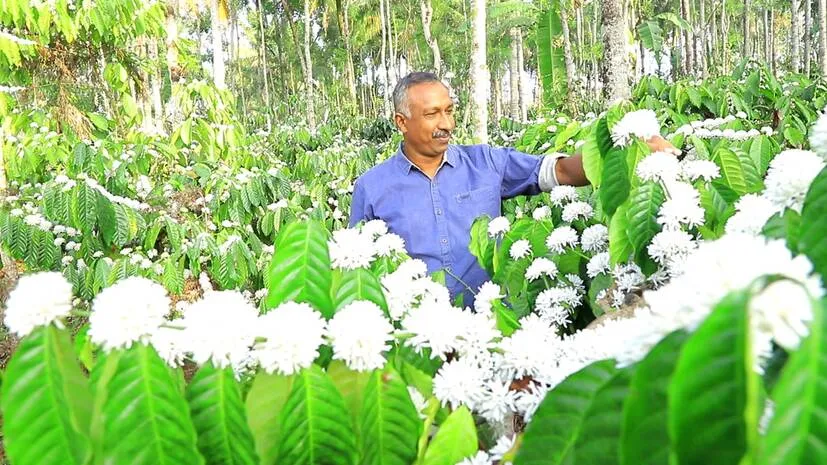
Another farmer from Wayanad, Sooraj C.S., also known as Suraj Purushothaman of Mathamangalam, received the Plant Genome Saviour Farmer Recognition for 2024–25.
He received ₹1 lakh along with a citation and a memento. His collection contains 670 genetic resources, including 104 varieties of tomato, 23 varieties of brinjal and 36 chilli germplasm accessions.
Germplasm refers to the genetic material of plants that can be used for conservation, research and crop improvement. Preserving different varieties helps protect useful characteristics that may become important for future agricultural needs.
Sooraj’s collection is especially valuable because it includes a wide range of vegetables. Such diversity can support research into crop quality, adaptability and the development of improved varieties.
Why Traditional Crop Conservation Matters
Traditional crops are an important part of India’s agricultural heritage. Over many generations, farmers have selected and preserved plants that suit local soil, climate and farming conditions.
However, the spread of commercial agriculture, changing food habits, climate change and the use of fewer crop varieties can put traditional plants at risk.
Conserving different crop varieties helps maintain genetic diversity. This diversity can be useful when farmers and researchers need plants that can better tolerate drought, pests, diseases or changing weather conditions.
It also helps protect local food traditions and farming knowledge. Crops that are less commonly grown today may still have important qualities that are useful for future agricultural development.
Role of PPVFRA in Protecting Farmers and Plant Varieties
The Protection of Plant Varieties and Farmers’ Rights Authority works under India’s Protection of Plant Varieties and Farmers’ Rights Act, 2001.
The authority supports the protection of plant varieties and recognises the contribution of farmers to conserving and developing agricultural biodiversity.
The Plant Genome Saviour Awards are part of this effort. They recognise farmers and farming communities that conserve traditional varieties, landraces and wild relatives of crop plants.
These awards also bring attention to the important role farmers play in preserving genetic resources. Their work supports the wider agricultural research system and helps maintain plant diversity.
Kerala Agricultural University Supports the Farmers
Kerala Agricultural University played an important role in facilitating and documenting the conservation work of both award recipients.
Documentation is important because it helps record the names, characteristics and other details of traditional plant varieties. Such information can support future research and make it easier to understand the value of different genetic resources.
The recognition of the two Wayanad farmers highlights how local farming knowledge and scientific institutions can work together to protect agricultural biodiversity.
Their achievements also show that crop conservation does not depend only on large research centres. Individual farmers can make a meaningful contribution by maintaining traditional varieties on their own farms.