


Starship Flight 15 Reaches Orbit

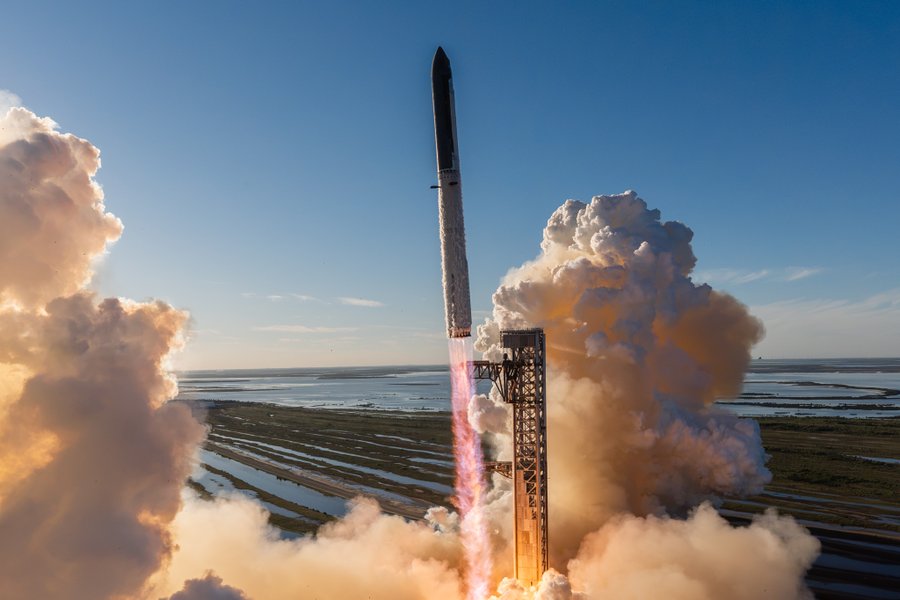
Starship Flight 15 reached a major milestone on 13 November 2026 when SpaceX successfully sent its upper stage into low Earth orbit and deployed 26 Starlink V3 satellites. However, the mission also faced a serious setback when the Super Heavy booster malfunctioned during its return and exploded over the Gulf of Mexico.
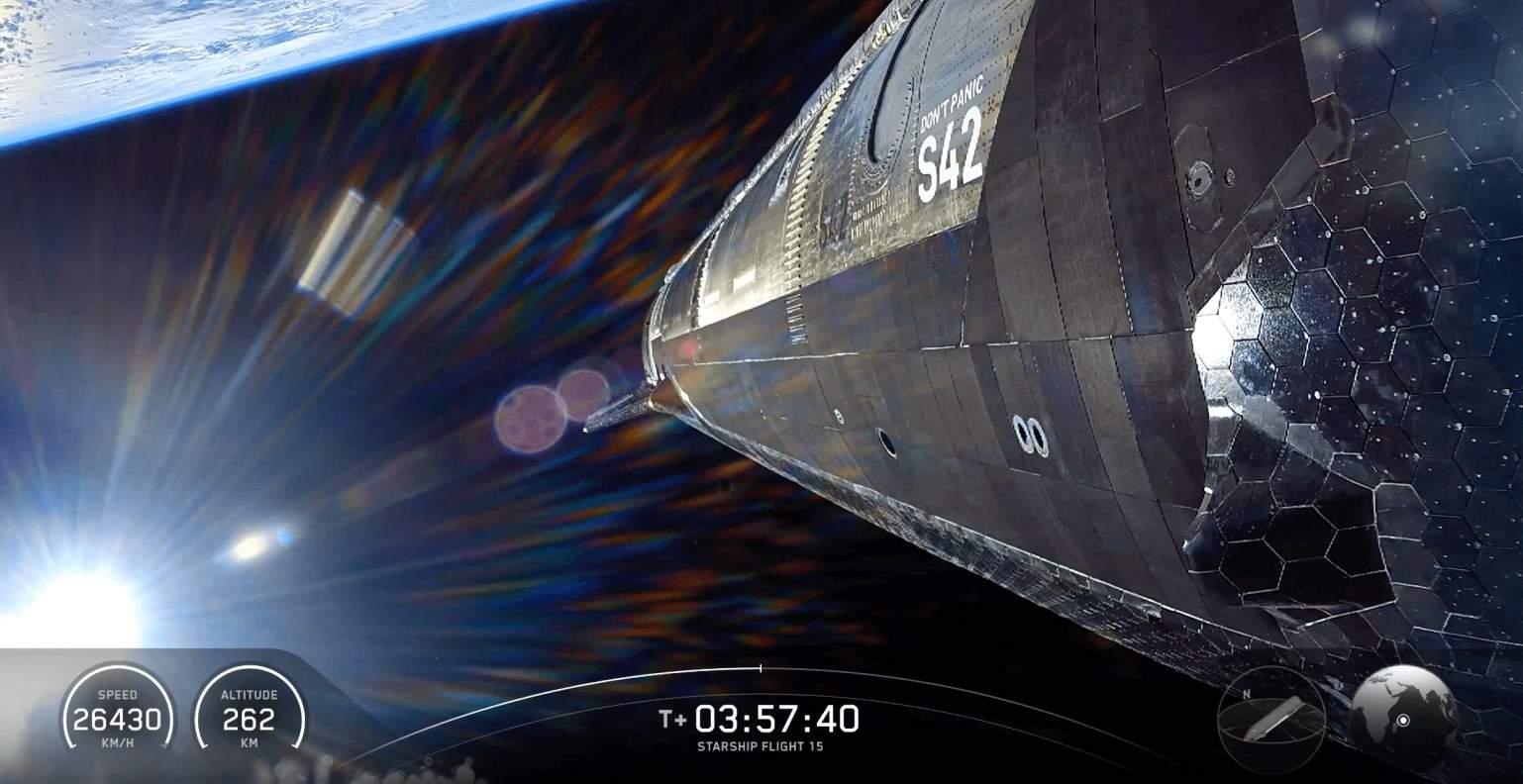
The test flight launched from SpaceX’s Starbase facility in Texas. Although the booster could not complete its planned recovery, the upper stage, known as Ship 42, reached an altitude of around 275 kilometres. The mission marked Starship’s first operational payload delivery and its second orbital flight.

Super Heavy Booster Explodes During Return
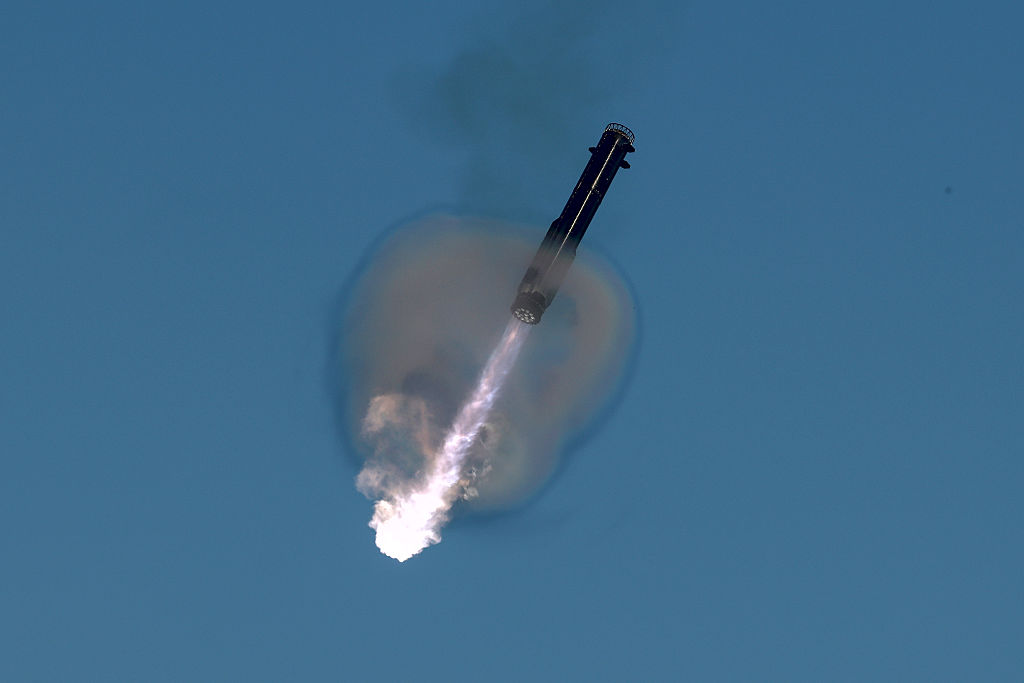
The Super Heavy booster used for the mission was identified as Booster 22. After completing its role in the launch, it began its return towards the planned recovery area.
SpaceX had planned to catch the booster using the mechanical arms attached to its launch tower. These large mechanical arms are commonly called “chopsticks”. They are designed to catch the returning booster and hold it in place, allowing it to be inspected and prepared for another flight.
However, Booster 22 experienced a malfunction during its return. The problem forced SpaceX to divert the booster towards an offshore splashdown in the Gulf of Mexico. It subsequently exploded, ending the planned tower-catch attempt.
The incident showed the technical challenges involved in recovering a large reusable rocket booster. SpaceX aims to make both the Super Heavy booster and Starship upper stage reusable to reduce the cost of future space missions.
Ship 42 Reaches Low Earth Orbit
Despite the booster failure, the upper stage performed its planned orbital mission. Ship 42 reached low Earth orbit at an altitude of approximately 275 kilometres.
During the flight, it deployed 26 Starlink V3 satellites. This was an important milestone for the Starship programme because it marked the vehicle’s first operational payload delivery.
Starlink is SpaceX’s satellite internet network. Its satellites are designed to provide internet connectivity in different parts of the world. The V3 satellites are part of the company’s plans to expand the network and improve its capacity.
The successful deployment demonstrated Starship’s ability to carry and release operational satellites in space, even though the booster recovery did not go as planned.
Starship’s Second Orbital Flight
Flight 15 was Starship’s second orbital flight, following Flight 14 in September 2026. It was also the 15th test flight of the Starship system.
The mission was planned to last around 22 hours, with the spacecraft expected to complete approximately 14 to 15 orbits around Earth.
After completing its orbital activities, Ship 42 was scheduled to return to Earth. SpaceX planned to attempt a catch of the upper stage at Starbase on 14 November 2026.
If successful, this would become the first recovery of an orbital Starship upper stage. Such a recovery would be a major step towards the company’s goal of developing a fully reusable launch system.
How Does the Starship Recovery System Work?
SpaceX has developed a special recovery system for both parts of Starship. The Super Heavy booster is designed to return to the launch site, where the tower’s mechanical arms can catch it.
The catch system uses specialised structures on the booster, including hardpoints on two of its grid fins. These features allow the tower arms to hold and lift the booster onto its launch mount.
The upper stage has a separate recovery plan. After completing its mission in space, it is expected to re-enter Earth’s atmosphere and return to the designated landing area.
Recovering both stages could allow SpaceX to inspect, refurbish and reuse the vehicles instead of building new ones for every launch.
Raptor Engines and Hot-Staging Technology
Starship uses SpaceX’s Raptor engines, which are designed to provide the power needed for launch and space travel. Blocks 1 to 3 of the Starship system use six engines on the upper stage: three designed for operation near Earth’s surface and three optimised for the vacuum of space.
The Raptor engine uses a full-flow staged-combustion cycle. In this system, fuel and oxidiser pass through separate preburners before entering the main combustion chamber.
Starship also uses a technique called hot-staging during stage separation. The upper-stage engines ignite before the two stages fully separate. A specially designed, vented interstage helps protect the booster from the exhaust during this process.
These technologies are part of SpaceX’s effort to develop a launch system capable of carrying large payloads and supporting future missions beyond Earth.
What Flight 15 Means for Future Space Missions
Starship Flight 15 demonstrated both the progress and the remaining challenges of SpaceX’s reusable rocket programme. The successful orbital flight and deployment of 26 Starlink V3 satellites showed that the upper stage could perform an operational task.
At the same time, the explosion of Booster 22 highlighted the difficulty of returning and catching a heavy rocket after launch. Reliable booster and spacecraft recovery will be important if SpaceX wants to increase launch frequency and reduce mission costs.
Starship is also being developed for future human spaceflight and lunar exploration missions. Its large payload capacity and reusable design could support satellite deployment, cargo transportation and other space activities.
The next steps will depend on the analysis of Flight 15 data and the results of the planned Ship 42 recovery attempt.