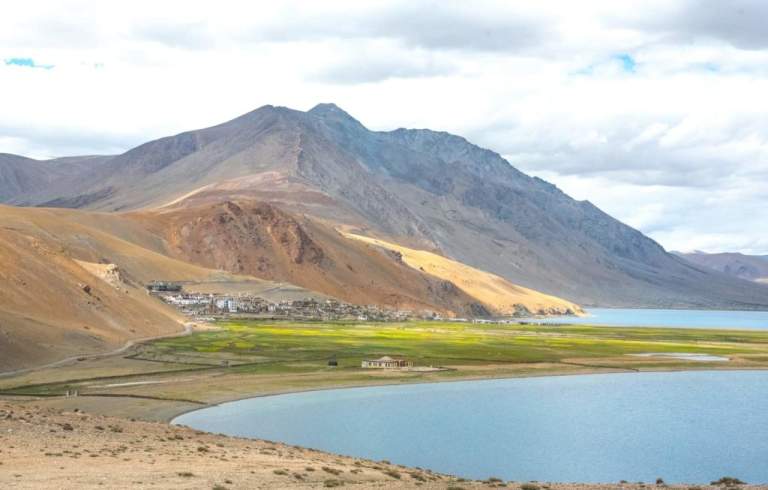

Nirmal Purja Plant is the name gaining attention after scientists described a newly identified flowering species from Nepal’s Himalayas. The plant has been named Impatiens nimspurjai in honour of Nepali mountaineer Nirmal “Nimsdai” Purja. The species was first noticed in western Myagdi district of Nepal in 2011 and was formally described after more than a decade of scientific study.
Thank you for reading this post, don't forget to subscribe!The discovery adds another species to the rich plant diversity of the Himalayan region and also connects scientific naming with the work of a well-known mountaineer and environmental campaigner.
New Species from the Himalayan Region
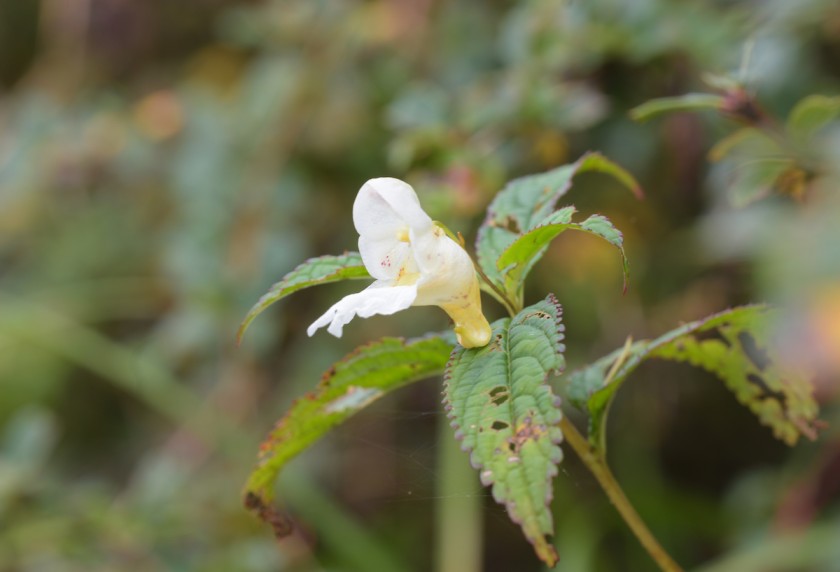
Impatiens nimspurjai belongs to the genus Impatiens, a large group of flowering plants in the family Balsaminaceae. Several Impatiens species are found in moist and cool environments, including parts of the Himalayan region.
The newly described plant was found growing in humid areas of western Nepal. Researchers studied its physical characteristics as well as molecular information before confirming that it represented a species that had not previously been formally described.
The scientific study describing the plant was published in the peer-reviewed journal PLOS ONE. The research was presented in a detailed 57-page study covering the plant’s characteristics, habitat and classification.
Discovery Began More Than a Decade Ago
The story of the new plant began in 2011 when botanist Bhakta Bahadur Raskoti first encountered it in Myagdi district. However, finding a plant that appears different from known species is only the first step in formally describing a new species.
Researchers need to examine its structure, compare it with related plants and, where appropriate, use molecular evidence to understand its relationship with other species. This process took more than ten years in the case of Impatiens nimspurjai.
The formal scientific description was credited to botanists Bhakta Bahadur Raskoti and Rita Ale. Their research helped establish the plant as a distinct species.
Where Does Impatiens nimspurjai Grow?
The plant has been recorded from humid slopes and forest margins in western Myagdi. It grows at an elevation of around 2,800 to 2,900 metres above sea level.
Such high-altitude habitats can support specialised plant life because of their cool temperatures, moisture levels and unique environmental conditions. The Himalayan region is known for its wide range of plant species, many of which are adapted to specific elevations and habitats.
The discovery of Impatiens nimspurjai also highlights how much biodiversity remains to be documented in mountain ecosystems. Even in areas that have been explored by researchers, small or geographically restricted plants can remain scientifically unknown for many years.
Why Was the Plant Named After Nirmal Purja?
The name nimspurjai was chosen to honour Nirmal “Nimsdai” Purja, a Nepali mountaineer known for his achievements in high-altitude climbing.
The naming also recognises his environmental work. Through the Nimsdai Foundation, Purja has been associated with environmental initiatives, including the “Big Mountain Cleanup” campaigns aimed at reducing waste and improving the condition of mountain environments.
The species name combines a reference to Nims Purja with “jai”, a Nepali word associated with jasmine. Scientific species names are sometimes chosen to honour people who have contributed to science, conservation, exploration or society.

Importance of Himalayan Plant Research
The Nirmal Purja Plant discovery comes at a time when biodiversity research is becoming increasingly important. Himalayan ecosystems are sensitive to changes in climate, land use and human activity. Documenting plant species provides scientists with information needed to understand these ecosystems and monitor changes over time.
New species descriptions can also help researchers identify areas that may require further ecological study. Knowing which plants grow in a particular habitat allows scientists to better understand relationships between vegetation, insects, soil, water and other parts of the mountain ecosystem.
The discovery of Impatiens nimspurjai therefore adds more than a name to Nepal’s plant records. It provides another example of the Himalayan region’s biological richness while recognising the connection between mountain exploration, environmental awareness and scientific research.