Parang La Trek 2026: NCC Girls Begin Himalayan Expedition

Parang La Trek 2026 began on August 18, 2026, as Defence Minister Rajnath Singh flagged off the National Cadet Corps (NCC) All India Girls High Altitude Long Trek, named “Aparajita – Parang La 2026,” in New Delhi. The expedition brings together 28 NCC girl cadets for a challenging 30-day journey across the high-altitude Himalayan region. The trek is designed to develop physical endurance, confidence, leadership and teamwork among young cadets.
Thank you for reading this post, don't forget to subscribe!28 NCC Girl Cadets Take Part in the Expedition
The expedition includes 28 girl cadets, with an average age of around 19 years. The youngest participant is about 16 and a half years old. The cadets will travel through difficult mountain terrain where they will face cold weather, steep routes and high-altitude conditions.
The journey is expected to cover nearly 250 kilometres over 30 days. Such a long expedition requires careful planning, physical preparation and strong coordination among the participants.
The cadets will be supported by officers, instructors, medical personnel and other members of the expedition team. Their safety and health will be important throughout the trek, especially while crossing areas at very high elevations.
Parang La Pass Is the Main Challenge
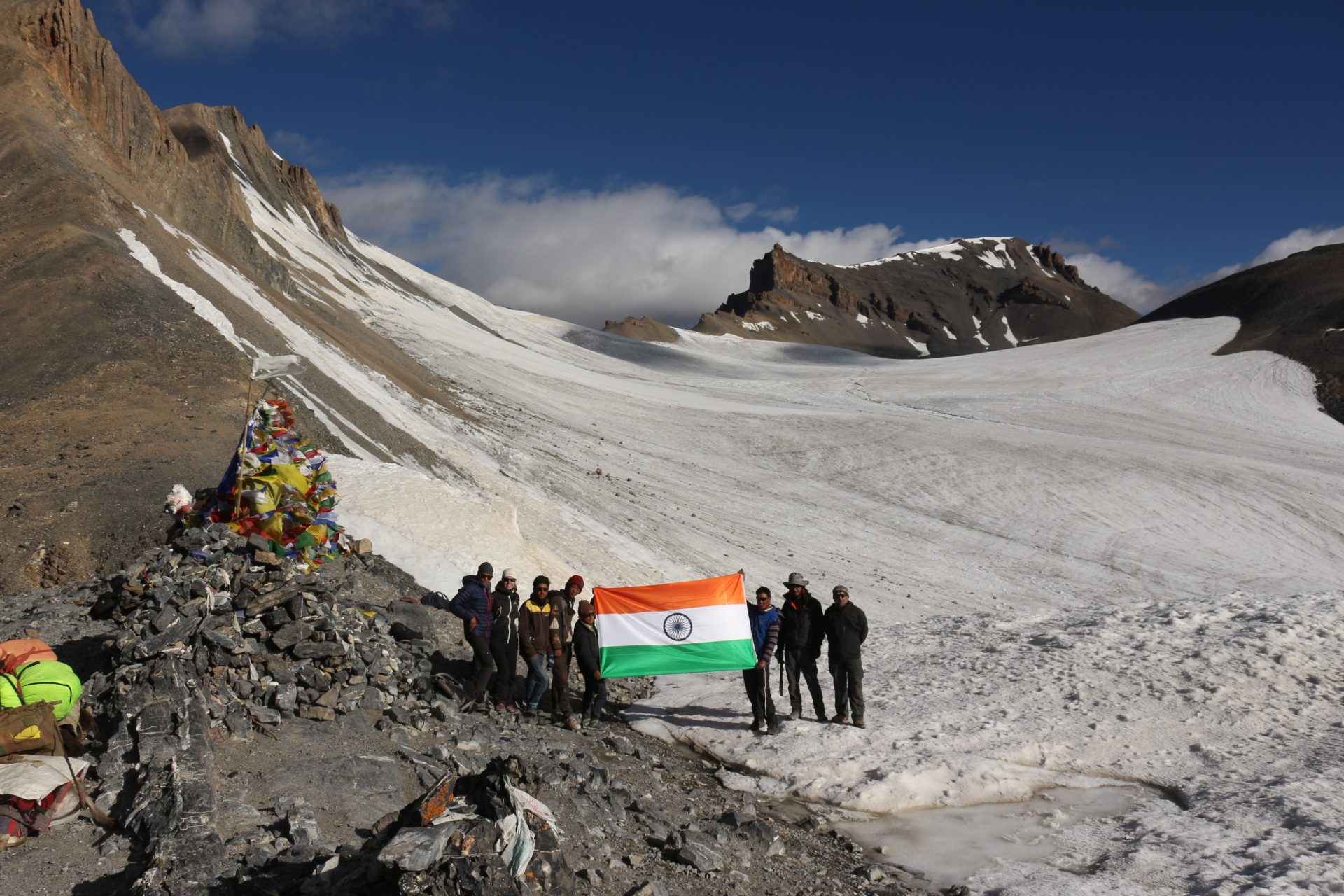
One of the most demanding parts of the Parang La Trek 2026 will be the crossing of Parang La Pass, which stands at an altitude of approximately 5,578 metres (18,300 feet) above sea level.
Parang La is an important high mountain pass in the Trans-Himalayan region. It connects Spiti Valley in Himachal Pradesh with the Changthang region of Ladakh. The area is known for its harsh climate, rugged landscape and limited vegetation.
The route will take the group through several remote locations, including Kibber, Dumla, Thaltak, Bongrojen, Dak Karzong, Norbu Sumdo, Kiangdom and Korzok. These places are located in some of the most remote and challenging parts of the Himalayan landscape.
A 30-Day Journey Through Difficult Himalayan Terrain
The expedition is not simply a long-distance walk. It is a high-altitude training activity that requires participants to adjust gradually to lower oxygen levels.
At high elevations, the human body receives less oxygen, making physical activity more difficult. Proper acclimatisation is therefore an important part of such expeditions. The cadets will need to maintain discipline, follow safety instructions and work closely with the support team.
The trek will also provide practical experience in navigation, camping, route planning and moving as a team through difficult terrain. These skills can help young participants develop confidence and decision-making abilities.
Women Officers Lead the Expedition
A notable feature of Parang La Trek 2026 is that the expedition is being led by three women officers, representing the Army, Navy and Air Force.
Their leadership highlights the growing role of women in different areas of India’s defence services. The expedition provides the NCC cadets with an opportunity to learn directly from women officers while undertaking a demanding outdoor activity.
The participation of women officers from all three services also gives the expedition a wider message about leadership, cooperation and opportunities for women in the armed forces.
NCC Focuses on Youth Development and Leadership
The National Cadet Corps is India’s youth organisation associated with the armed forces and operates under the Ministry of Defence. It provides young people with opportunities to develop discipline, leadership, teamwork and a sense of responsibility.
Adventure activities such as trekking form an important part of youth training because they place participants in situations where they must cooperate and make decisions under difficult conditions.
A high-altitude expedition also teaches participants the importance of preparation. Weather can change quickly in the mountains, while difficult terrain can make even short distances physically demanding.
Spiti Valley and Changthang Region
The route of the expedition connects two important high-altitude regions of northern India. Spiti Valley, located in Himachal Pradesh, is widely known for its cold desert landscape, high mountains and Buddhist cultural heritage.
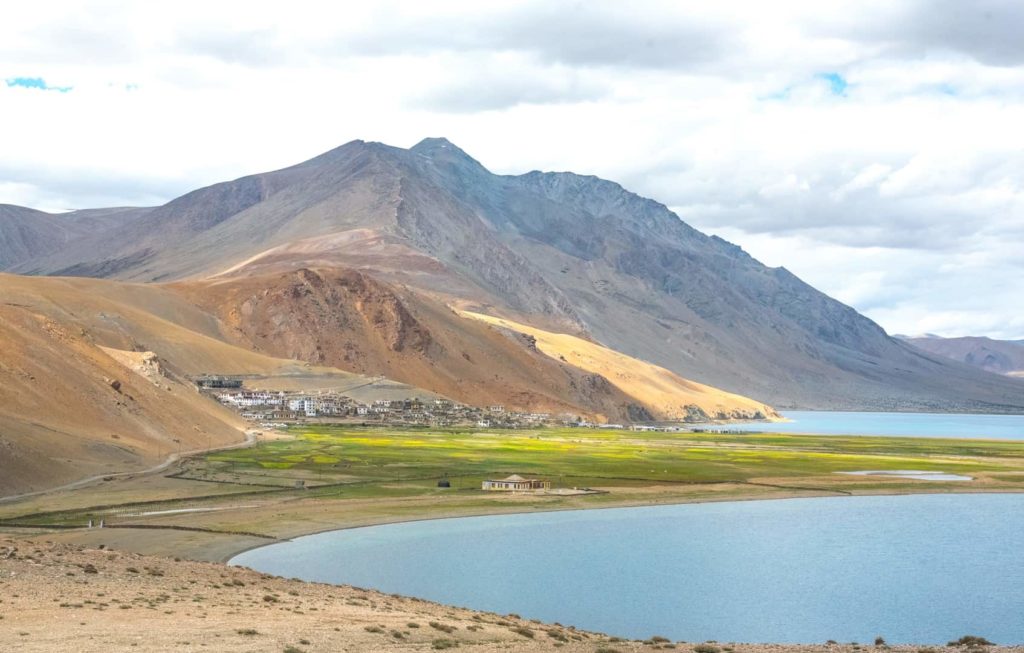
On the other side of Parang La lies Changthang, a high-altitude plateau region in Ladakh. The region is known for its open landscapes, lakes, grasslands and unique wildlife.
The journey across these areas will therefore expose the cadets to a wide range of Himalayan environments while also testing their physical and mental endurance.
Aparajita – Parang La 2026 and Women’s Participation
The name “Aparajita” carries the meaning of being undefeated or unconquered. It reflects the spirit of determination associated with the expedition.
The participation of 28 girl cadets in a 250-kilometre high-altitude trek demonstrates the increasing focus on adventure activities for young women. Such programmes can help participants build confidence and develop the ability to work together in demanding situations.
The involvement of women officers from the Army, Navy and Air Force further strengthens the leadership aspect of the programme.
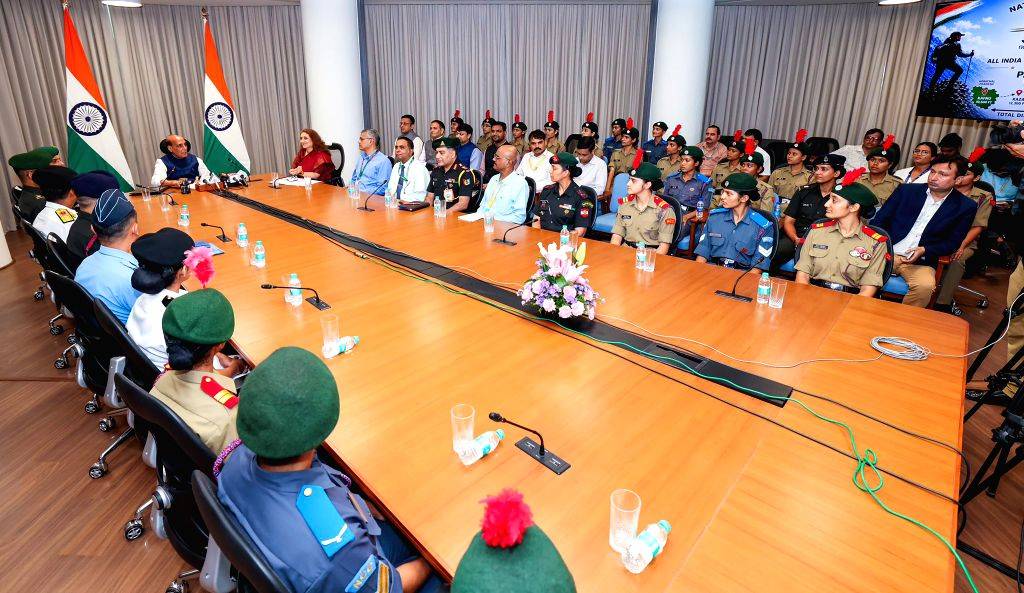
Defence Minister Rajnath Singh Flags Off the Trek
Defence Minister Rajnath Singh flagged off the expedition in New Delhi on August 18. The event marked the formal beginning of the 30-day journey.
The expedition combines adventure, physical training and youth development. It also gives NCC cadets practical exposure to the Himalayan environment and the challenges associated with high-altitude travel.
As the team moves towards Parang La, careful acclimatisation, medical support, route management and teamwork will remain central to the expedition. The trek is expected to continue through remote Himalayan locations before reaching the final stages of the planned route.