Mexico 50% Tariffs Asian Imports Reshape Trade Policy

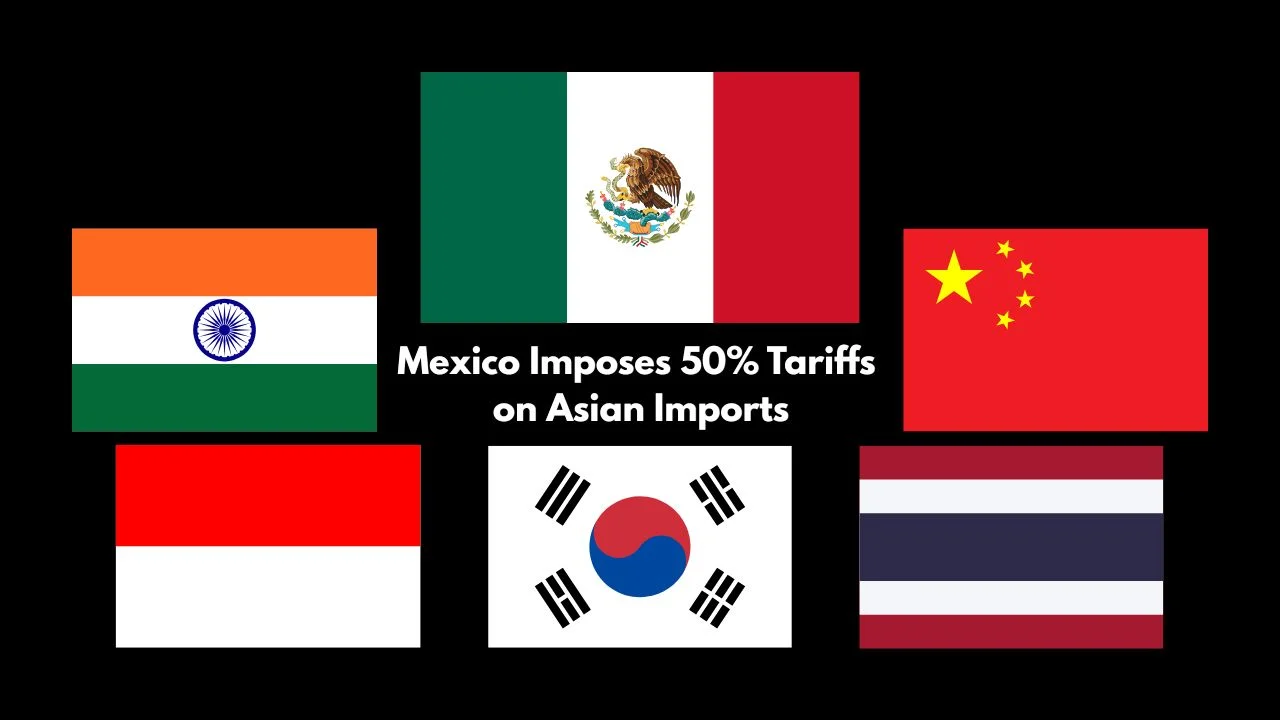
Mexico 50% Tariffs Asian Imports has emerged as a major development in global trade after Mexico approved sweeping import duties on goods from India, China and several other Asian economies. The decision, cleared by both houses of the Mexican Congress, marks one of the most significant changes in the country’s trade policy in recent years. These new tariffs, which can reach as high as 50 percent, are scheduled to take effect from 1 January 2026, and they are expected to alter trade routes, pricing structures and supply chains connected to Mexico.
Thank you for reading this post, don't forget to subscribe!The move places Mexico at the center of a broader shift in global manufacturing and trade alignment, especially as countries reassess dependencies and domestic industrial priorities.
Mexico 50% Tariffs Asian Imports Cover a Wide Product Range
The scope of the tariff package is extensive. More than 1,400 product categories have been brought under the new duty structure. These include automobiles, auto components, steel products, textiles, garments, plastics, electronics, household appliances and various industrial goods.
Asian exporters that supply finished products as well as intermediate components are likely to feel the impact. India, in particular, faces higher exposure because it does not have a free trade agreement with Mexico. This means Indian goods entering the Mexican market will immediately fall under the revised tariff system without preferential treatment.
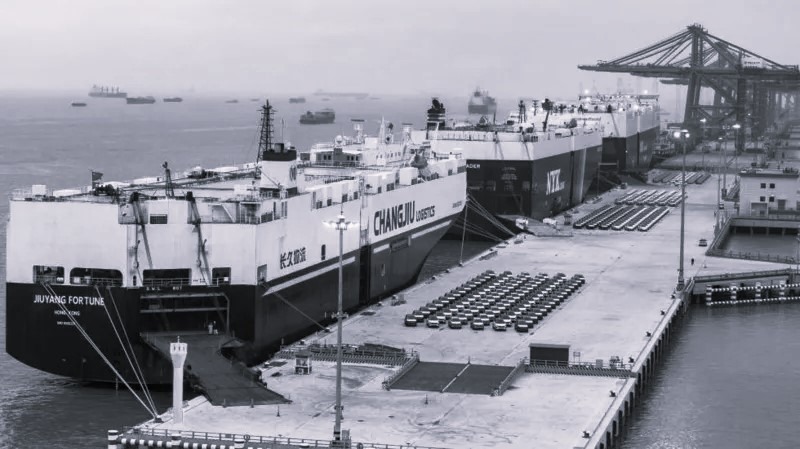
For many industries, these changes could result in higher costs, altered pricing strategies and reduced competitiveness within the Mexican market.
Mexico 50% Tariffs Asian Imports Driven by Domestic Industry Protection
Mexican authorities have defended the decision by pointing to the need to strengthen domestic manufacturing. Officials argue that a steady rise in low-cost imports, especially from Asia, has placed pressure on local producers. According to government statements, the new tariffs are intended to create a more balanced environment for domestic industries to grow and compete.
Manufacturing clusters in Mexico have raised concerns in recent years about declining margins and market share. The tariff reform is seen as a response to those concerns, aiming to support local jobs and reduce dependency on foreign imports in key sectors such as automobiles, steel and consumer goods.
By increasing import costs, the government hopes to encourage greater domestic production and investment within Mexico’s industrial base.
Mexico 50% Tariffs Asian Imports and Trade Imbalance Concerns
Another major factor behind the decision is Mexico’s trade imbalance with several Asian economies. Imports from countries such as China have grown rapidly, while exports in return have not increased at the same pace. This imbalance has led to concerns about long-term economic sustainability.
Mexican policymakers believe that unchecked imports could weaken domestic supply chains and limit opportunities for local businesses. The new tariff framework is designed to slow down the inflow of certain goods and encourage sourcing from within Mexico or from countries with existing trade agreements.
The government has also indicated that the reform could generate additional revenue, which may be used to support industrial development and infrastructure projects.
Mexico 50% Tariffs Asian Imports and the Role of the United States
Analysts point out that the tariff decision closely aligns with broader strategic interests of the United States. Washington has been increasingly vocal about concerns that Asian manufacturers, particularly from China, are using Mexico as an indirect route to access the US market while avoiding American tariffs.
By tightening import rules, Mexico appears to be addressing these concerns ahead of the upcoming review of the US–Mexico–Canada Agreement (USMCA). Supply-chain transparency, origin rules and tariff circumvention are expected to be key discussion points during the review process.
The timing of Mexico’s decision suggests a desire to present itself as a compliant and cooperative trade partner within North America.
Mexico 50% Tariffs Asian Imports and China’s Response
China has reacted strongly to the announcement. Chinese officials have criticized the move, warning that it could harm trade relations and disrupt established supply chains. Beijing has urged Mexico to reconsider the decision and has reportedly launched an investigation into the tariff measures.
Despite the criticism, Chinese companies continue to expand their manufacturing presence in Mexico, particularly in the automobile and electronics sectors. This ongoing expansion has added to US concerns about indirect market entry and has kept Mexico under close scrutiny from global trade partners.
The situation highlights the complex balance Mexico must maintain between attracting foreign investment and responding to geopolitical pressures.
Mexico 50% Tariffs Asian Imports Impact on India and Other Exporters
For India and other Asian exporters, the tariff reform represents a significant challenge. Many Indian companies supply pharmaceuticals, auto components, textiles and engineering goods to Mexico. Higher tariffs may force exporters to reconsider pricing, margins and market strategies.
Some businesses may explore alternative markets, while others may look at setting up local operations within Mexico to avoid import duties. Supply-chain diversification and regional partnerships are likely to become more important as exporters adapt to the new environment.
The decision also underscores the importance of trade agreements, as countries with preferential access will face fewer disruptions compared to those without formal arrangements.
Mexico 50% Tariffs Asian Imports and Supply Chain Realignment
Global supply chains are already undergoing change due to shifting trade policies and regionalization trends. Mexico’s tariff overhaul adds another layer to this transformation. Companies that once viewed Mexico as a neutral entry point into North America may now need to reassess their logistics and production plans.
Some manufacturers may increase sourcing from within North America, while others may accelerate investment in Mexican factories to maintain market access. These adjustments could reshape Mexico’s role as both an importer and a manufacturing hub.
Mexico 50% Tariffs Asian Imports and Economic Outlook
Economists suggest that the tariff reform could bring both opportunities and risks for Mexico. While domestic industries may gain short-term protection, higher import costs could also raise prices for consumers and businesses that rely on imported inputs.
The success of the policy will depend on how effectively Mexico balances protection with competitiveness. Much will also depend on reactions from trading partners and how global demand patterns evolve over the next few years.