Parichha Weir Heritage Recognition

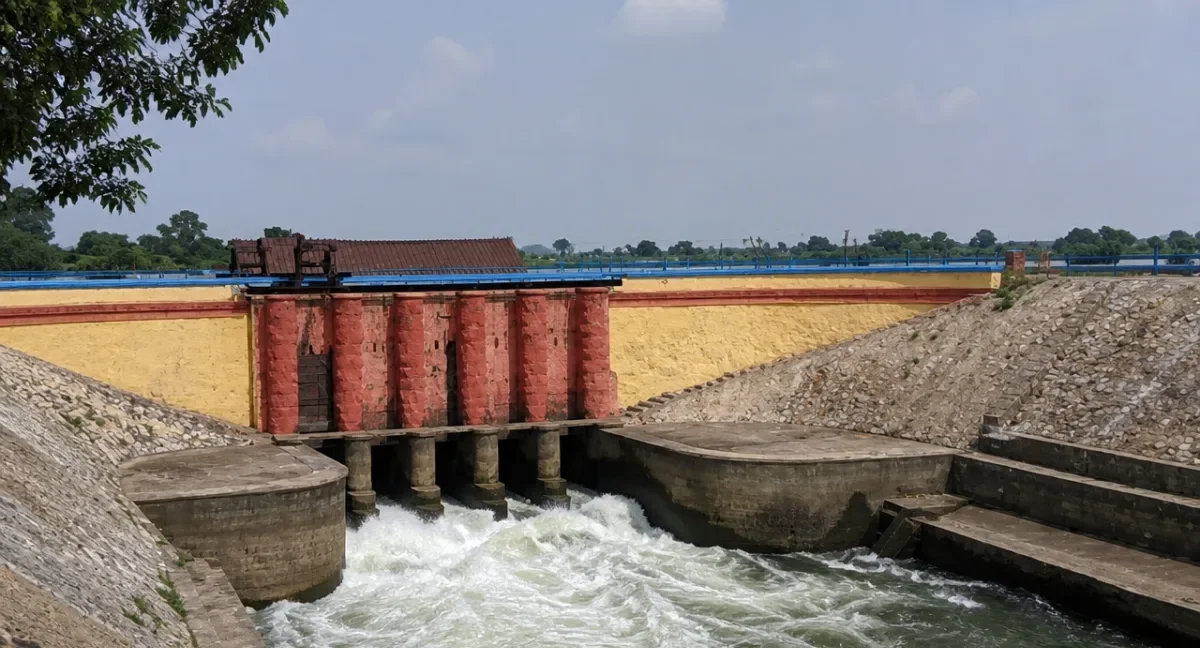
Parichha Weir in Jhansi, Uttar Pradesh, has received international recognition for its historical importance and engineering value. The 140-year-old irrigation structure was designated a World Heritage Irrigation Structure (WHIS) by the International Commission on Irrigation and Drainage (ICID) on 13 August 2026. The recognition highlights the role of the old weir and the Betwa Canal system in supporting agriculture and water management across parts of Uttar Pradesh and Madhya Pradesh.
Thank you for reading this post, don't forget to subscribe!What Is the World Heritage Irrigation Structure Recognition?
The World Heritage Irrigation Structure programme of ICID recognises old irrigation systems that have important engineering, social, cultural and agricultural value. These structures show how earlier generations developed systems to manage water and support farming over long periods.
The Parichha Weir has now joined this international heritage list because of its age, design and continuing connection with the regional irrigation network. Its recognition also brings attention to the importance of preserving historic water infrastructure while maintaining its useful role.
Engineering Strength of Parichha Weir
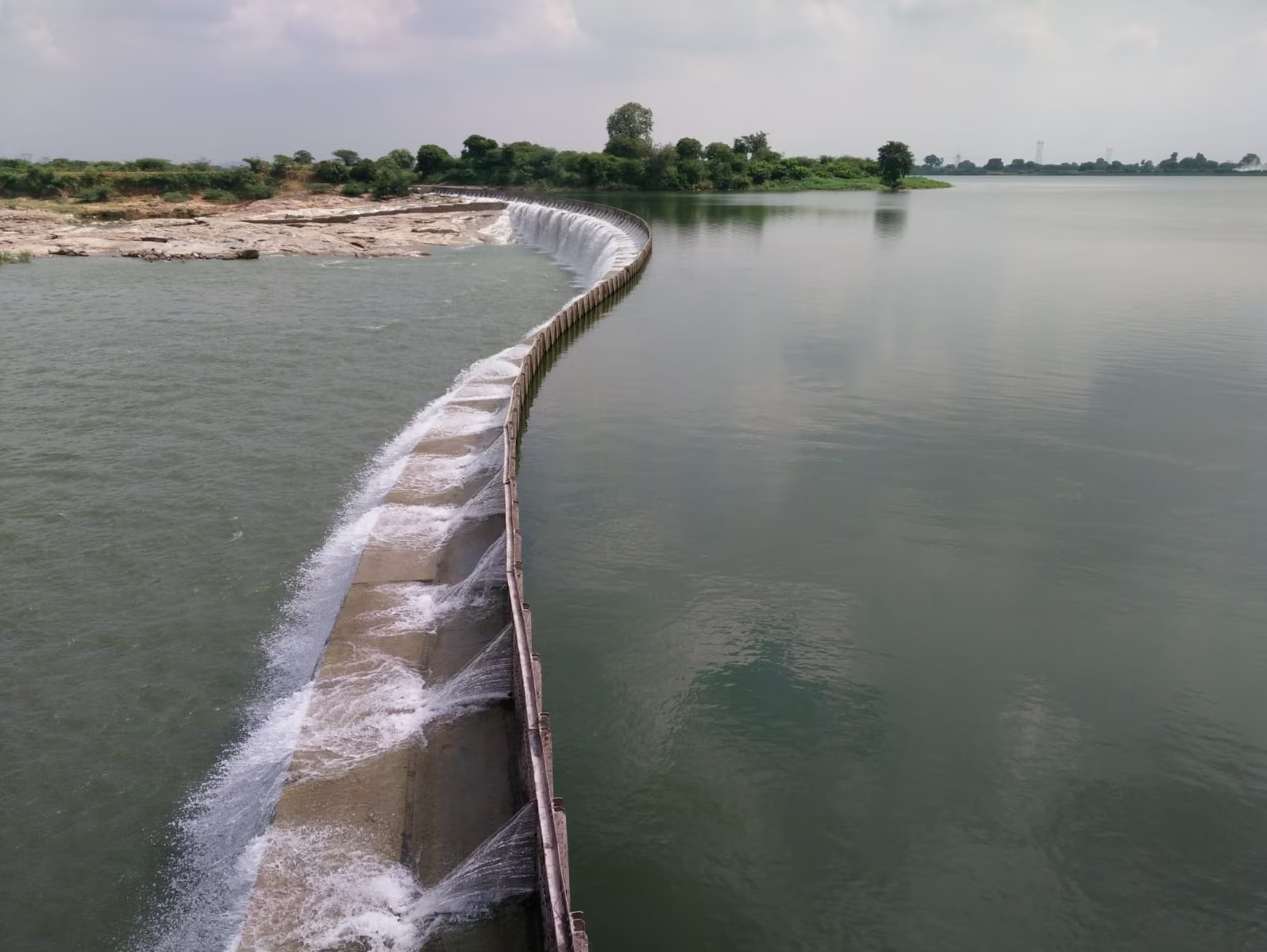
The Parichha Weir is a large rubble-stone masonry structure built across the Betwa River. It stretches for about 1,174 metres and rises around 16.8 metres above the riverbed. One of its notable features is a system of 318 steel falling shutters, designed to help control water levels.
The reservoir associated with the structure has a capacity of around 2,400 million cubic feet. These features show the scale of the engineering work involved in developing the irrigation system more than a century ago.
The weir is connected to the Betwa Canal system, which has a total network of about 2,654 kilometres. The canal system supports irrigation across several districts in Uttar Pradesh and Madhya Pradesh and has played an important role in agriculture in the region.
History of the Betwa Canal System
The history of the irrigation network goes back to the 19th century. The canal project was first proposed by Captain Strachey in 1855. Construction of the system began in 1881, with the reported cost at that time being around ₹40 lakh.
The system was commissioned in 1886, making it one of the older major irrigation networks associated with the region. Over the decades, the canals and related structures have supported farming by providing a more organised supply of water.
The continued presence of such infrastructure also shows how irrigation projects can influence the development of agricultural areas for generations.
Parichha Weir and Betwa River
The Betwa River is an important river of central India and flows through parts of Madhya Pradesh and Uttar Pradesh. The Parichha Weir uses the river’s water resources to support the associated canal network.
The irrigation system linked to the weir covers a large agricultural area. According to the supplied figures, the Betwa Canal system irrigates about 4,28,360 hectares across five districts in Uttar Pradesh and Madhya Pradesh.
This makes the heritage recognition significant not only from a historical point of view but also because the structure remains connected to water management and agriculture.
A Second Heritage Recognition in the Jhansi Region
The Parichha Weir is not the first irrigation structure from the Jhansi region to receive ICID heritage recognition. The Sukwa-Dukwan Weir was recognised under the same heritage programme in 2022.
The latest recognition adds another important historic water structure to the region’s heritage profile. It also highlights the engineering history of irrigation projects developed during the late 19th century.
Recognition Ceremony Planned in France
The formal presentation of the heritage recognition is scheduled to take place in France in October 2026 during the 26th ICID International Congress and the 77th International Executive Council meeting.
The recognition comes at a time when water management, efficient irrigation and sustainable use of natural resources remain important issues. Historic irrigation systems such as Parichha demonstrate how large-scale water infrastructure can continue to shape agriculture while also becoming part of the cultural and engineering heritage of a region.