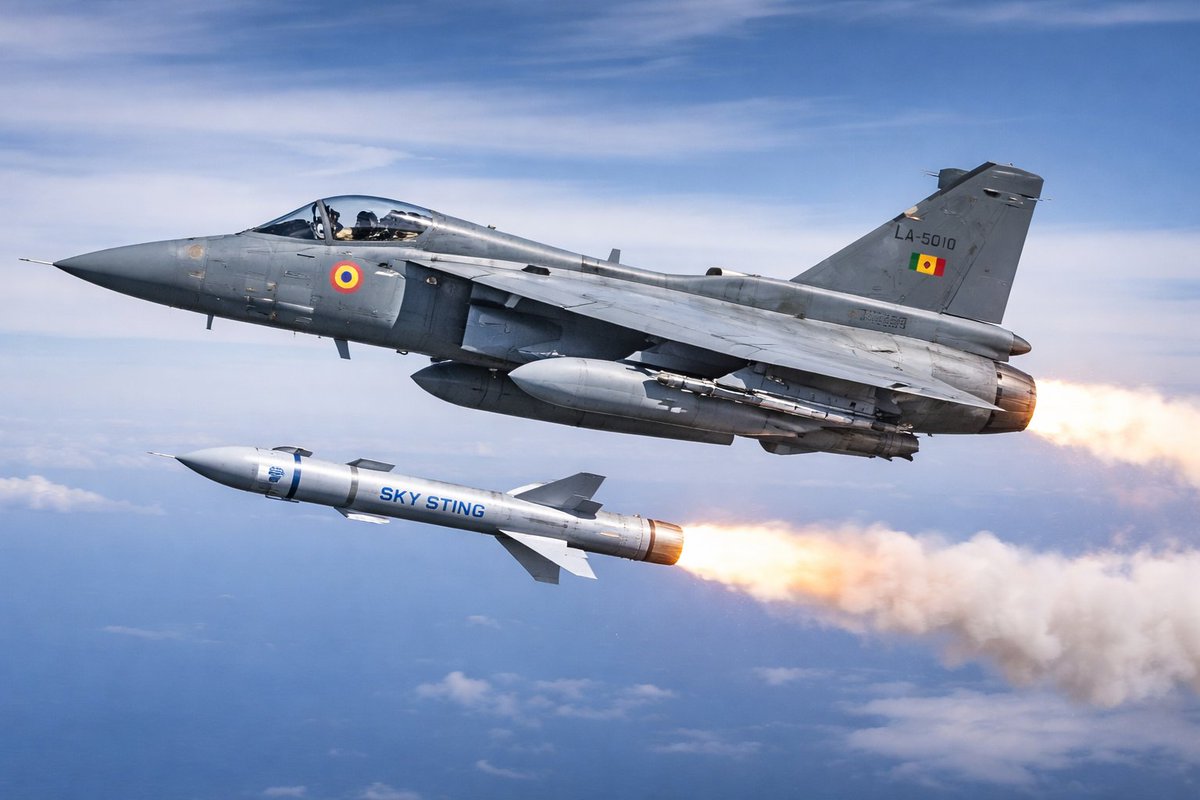
Sky Sting Missile for IAF: India Eyes Advanced Israeli Air Combat System

India is moving forward with plans to strengthen its air combat capability as discussions progress to acquire the Sky Sting Missile for IAF. The advanced beyond-visual-range air-to-air missile (BVRAAM) is being developed by Israel and is seen as a powerful addition to the Indian Air Force’s fighter fleet.
Thank you for reading this post, don't forget to subscribe!The proposal comes as India looks to modernise its air defence systems and improve long-range aerial combat capability amid evolving security challenges in the region.
Advanced Features of Sky Sting Missile
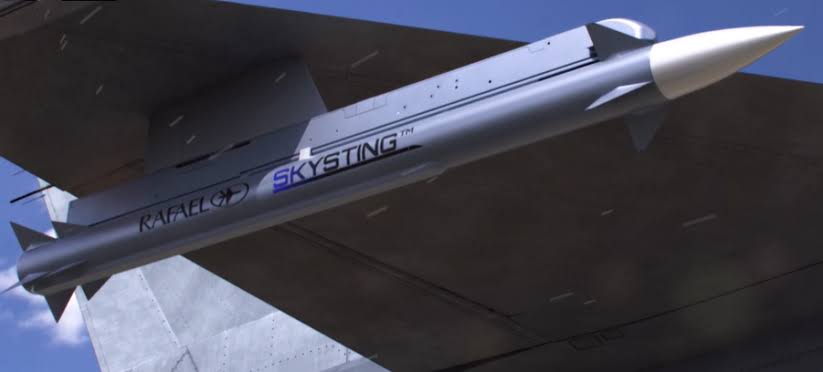
The Sky Sting Missile for IAF is designed to be a high-performance air-to-air weapon with advanced technology. The missile is expected to weigh around 180–200 kg, making it light enough for modern fighter aircraft while maintaining long-range strike capability.
Reports suggest the missile could hit targets at a distance of up to 250 km, giving pilots a strong advantage in beyond-visual-range combat.
One of its key technologies is a three-pulse solid-fuel rocket motor, which helps the missile maintain high speed during flight. It can reportedly reach speeds above Mach 5, allowing it to intercept fast-moving aerial targets effectively.
The missile will also use a radio-frequency seeker with AI-based target recognition. This technology helps the system identify targets more accurately and resist electronic jamming. A two-way data link allows pilots to guide the missile in real time during flight.
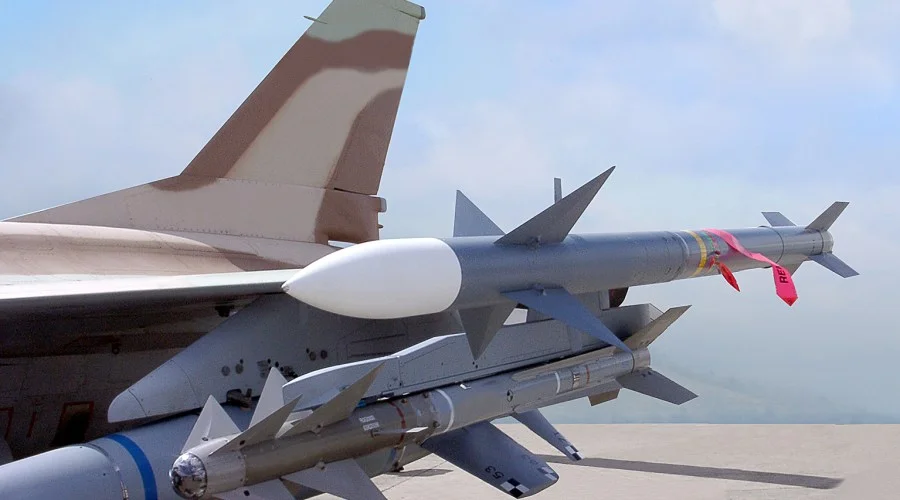
Integration with Tejas Fighter Jets
The new missile is expected to work with the ELM-2052 AESA radar that will be installed on the Tejas Mk1A fighter aircraft. This radar provides advanced tracking capability and can detect multiple targets simultaneously.
Integration with the Tejas Mk1A could help overcome some compatibility challenges that earlier indigenous missiles faced with certain radar systems.
India already operates several Israeli defence technologies, including advanced air-to-air missiles and air defence systems. These systems have played important roles in strengthening the country’s aerial combat capability.
Balance Between Imports and Indigenous Development
While the Sky Sting Missile for IAF offers strong capabilities, some defence experts have raised concerns about relying too heavily on imported systems. India has its own indigenous missile programme called Astra, which is being developed by the Defence Research and Development Organisation (DRDO).
The Astra Mk1 currently has a range of about 110 km, while Astra Mk2 is expected to exceed 200 km. A future version, Astra Mk3, may reach ranges of up to 350 km using advanced propulsion technology.
However, experts believe that limited imports can help maintain operational readiness while domestic systems continue to develop.
Strengthening IAF Combat Readiness
The Indian Air Force currently operates around 29 fighter squadrons, which is lower than its sanctioned strength. Modernisation efforts are therefore important to maintain strong air defence capability.
The possible acquisition of the Sky Sting Missile for IAF could help enhance long-range strike capability and improve the effectiveness of aircraft such as the Tejas and Su-30MKI.
At the same time, cooperation with Israeli defence companies may also support technology sharing and future local production, helping India strengthen both immediate defence needs and long-term aerospace development.