New World Screwworm: First Human Case Reported in the United States After Eradication Decades Ago

The New World screwworm has reemerged in the United States with the confirmation of the nation’s first human case in decades. In early August 2025, health authorities identified the infestation in a traveller who had recently arrived from El Salvador. While officials have assured that the overall risk to public health remains low, the case has raised concerns about the potential comeback of a parasite that was once successfully eradicated from the country.
Thank you for reading this post, don't forget to subscribe!Understanding the Parasite
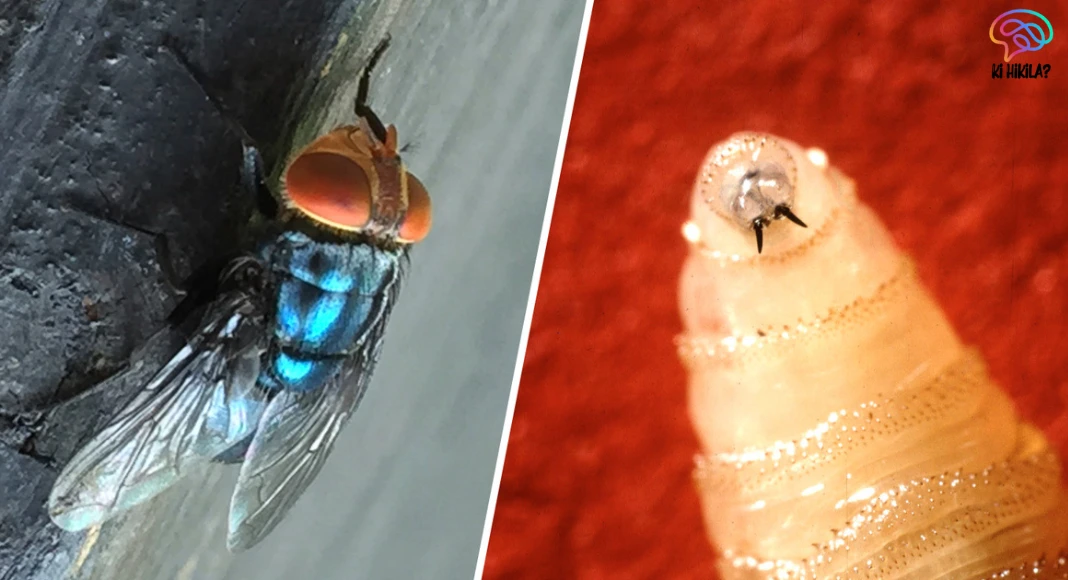
The New World screwworm is not an unfamiliar name in veterinary and medical circles. These parasites are the larvae of the blue-grey blowfly, native to South America and the Caribbean. What makes them particularly dangerous is their unique and destructive feeding behavior. Female flies deposit eggs on open wounds or natural body openings of warm-blooded animals—and in rare cases, humans.
Each female fly is capable of laying up to 3,000 eggs over her short lifespan of 10 to 30 days. Within hours, the eggs hatch into larvae, or maggots, which burrow into living flesh. Their screw-like motion as they tunnel deeper gives the parasite its unsettling name. After feeding on tissue, the larvae eventually fall to the soil to pupate and transform into adult flies, repeating the cycle.
Symptoms and Health Risks
The impact of a New World screwworm infestation on human or animal health is severe. Early signs include painful, non-healing sores, bleeding, foul odors, and even the sensation of movement within the wound. Left untreated, the larvae can penetrate vital tissues, including the brain or other organs.
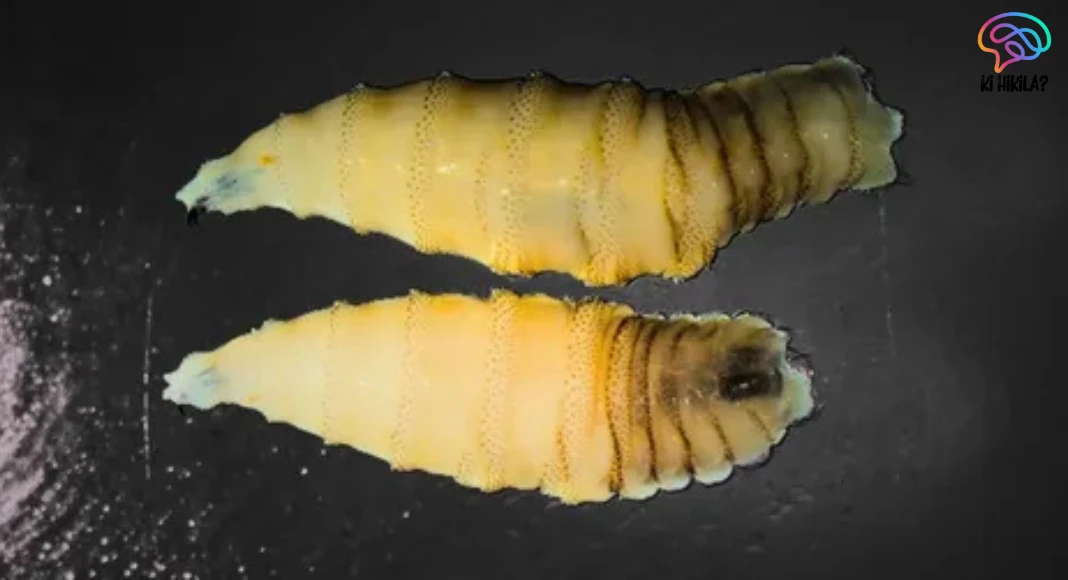
The consequences can be fatal. Severe infections such as sepsis often occur when the infestation progresses unchecked. Additionally, wounds created by the larvae attract other flies, amplifying the cycle of infestation and worsening the patient’s condition. This destructive ability is why experts view the parasite as both a medical and veterinary emergency.
Eradication Success Story in the United States
The United States once battled the New World screwworm aggressively and achieved success. In 1966, the parasite was declared eradicated through an innovative approach known as the sterile insect technique. Scientists bred billions of sterile male flies and released them into the wild. When sterile males mated with females, no viable offspring were produced, effectively collapsing the population.
This groundbreaking method not only eliminated the screwworm from the US but was later expanded across Mexico and Central America. By the early 2000s, much of the parasite’s stronghold had been dismantled. Even in 2017, when a small outbreak was detected in Florida, the sterile insect strategy was once again deployed to contain it quickly.
Why the Parasite Has Reemerged
Despite decades of success, reports of New World screwworm infestations have surfaced across Central America, including Panama, Costa Rica, Nicaragua, and Honduras. Experts believe several factors have contributed to the parasite’s reappearance:
- Movement of livestock: Animals infested with larvae can unknowingly spread the parasite across borders.
- Possible genetic changes: Some scientists suggest current strains of screwworm may be showing reduced susceptibility to traditional eradication techniques.
- Climate and environment: Warmer climates and increased livestock trade in the region create favorable conditions for the parasite’s survival and spread.
Together, these challenges make containment efforts more complex and demand renewed attention from health and agricultural authorities.
Public Health Measures in the United States
Health officials in the US have emphasized that the risk of widespread outbreaks remains low. However, vigilance is key. New World screwworm infestations can escalate quickly if undetected, and prevention depends on rapid recognition and action.
Key measures include:
- Surveillance programs: Monitoring livestock and wildlife for signs of infestation.
- Traveller awareness: Educating visitors from affected regions about symptoms and precautions.
- Healthcare training: Ensuring doctors and veterinarians can identify and treat infestations early.
- Cross-border cooperation: Collaborating with Central American nations to strengthen livestock inspection and regulate animal movement.
- Improved sterile insect programs: Enhancing the technology used to breed and release sterile flies for better efficiency.
The Bigger Picture
The confirmed human case of New World screwworm in August 2025 is a reminder that parasites eradicated in one region can still pose a threat due to global travel and trade. While the situation is not yet a large-scale outbreak, it highlights the importance of international cooperation in controlling zoonotic parasites.
Authorities are working to ensure that the isolated case does not lead to further spread. The long-term success of these efforts will depend on maintaining strict surveillance, advancing eradication technologies, and engaging with affected countries to manage cross-border risks.
Conclusion
The reappearance of the New World screwworm in the United States after nearly six decades underscores the fragile nature of disease eradication. Though the confirmed case involved only one traveller, it has set off alarms among public health and veterinary experts. With early detection, modern eradication techniques, and international collaboration, the threat can be controlled. But the event also serves as a stark reminder: parasites once thought defeated can return, and only sustained vigilance can prevent their resurgence.