


Xaol Saulor Jolpan: Traditional Assamese Breakfast

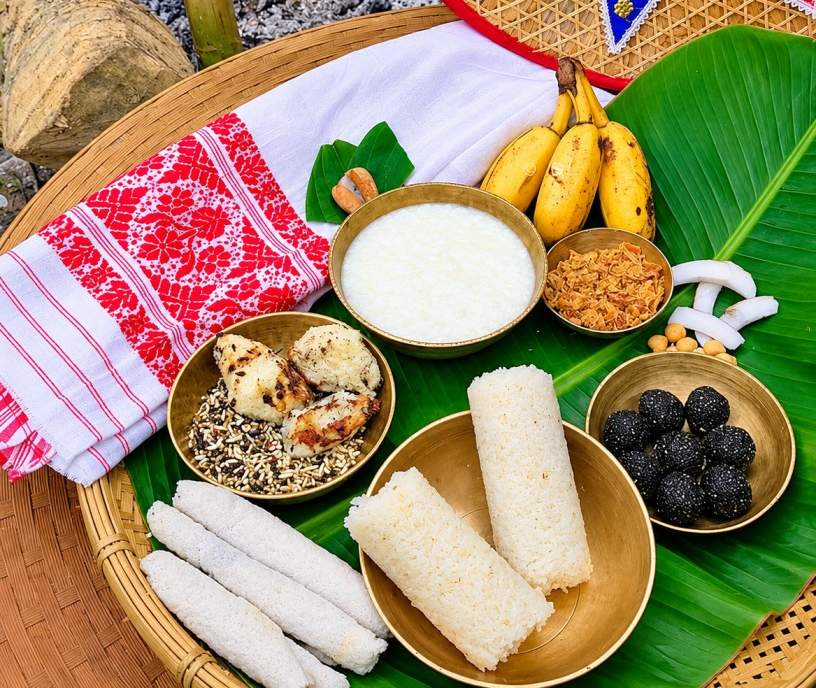
Xaol Saulor Jolpan is a traditional Assamese breakfast prepared using softened rice, milk or curd, jaggery, butter and ripe banana. It is a simple, delicious and nutritious traditional food enjoyed by Assamese people, especially during breakfast and evening snacks. This dish represents the rich food culture of Assam, where locally available rice varieties are used to prepare different types of healthy and tasty meals.
Assamese cuisine is famous for its unique Jolpan tradition. Unlike many other breakfast dishes, most traditional Assamese Jolpan items do not require deep frying or complicated cooking methods. They can often be prepared by soaking rice in warm or hot water and mixing it with locally available ingredients such as milk, curd, jaggery, banana and ghee.

Xaol Saul is one of the special rice varieties used in Assamese households. It is valued for its soft texture and easy preparation. It is commonly enjoyed with different combinations of sweet and savoury ingredients. Whether served with warm milk, fresh curd or ripe banana, Xaol Saulor Jolpan offers a taste of traditional Assamese food.
What Is Xaol Saulor Jolpan?
Xaol Saulor Jolpan is a traditional Assamese rice-based breakfast made using Xaol Saul, a type of softened rice that becomes ready to eat after soaking. It is usually served with milk, curd, jaggery, ripe banana, butter or ghee.
Jolpan is an important part of Assamese food culture. It is commonly served during breakfast, family gatherings, Bihu celebrations, weddings and religious occasions. Different varieties of rice are used to prepare traditional Jolpan, including Komal Saul, Bora Saul, Chira and Muri.
The special feature of Xaol Saulor Jolpan is that it does not require extensive cooking at the time of serving. The rice becomes soft after soaking in warm or hot water. Once the extra water is drained, it can be mixed with the desired ingredients and served immediately.
This makes it a convenient breakfast option for people who prefer traditional homemade food.
Ingredients for Xaol Saulor Jolpan
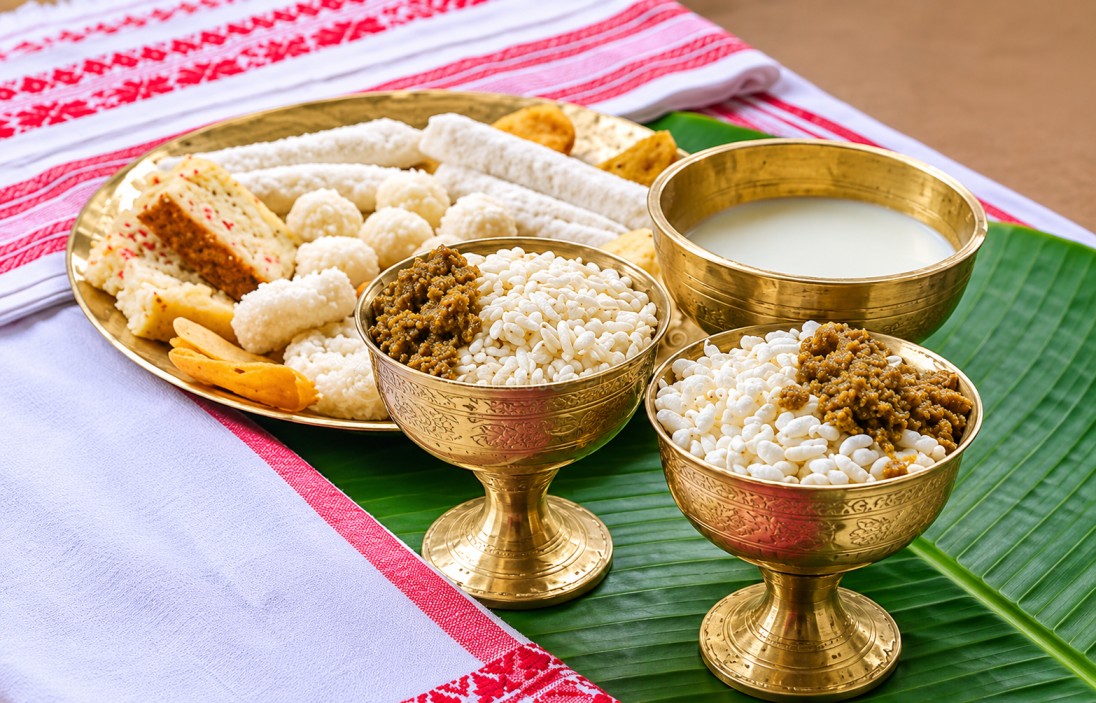
The ingredients required for preparing Xaol Saulor Jolpan are easily available in Assam. You can adjust the quantities according to your taste and the number of people.
| Ingredients | Quantity |
|---|---|
| Xaol Saul (softened rice) | 1 cup |
| Warm water | As required |
| Fresh milk | 1 cup |
| Fresh curd | ½ cup (optional) |
| Jaggery (Gur) | 2–3 tablespoons |
| Ripe banana | 1–2 |
| Butter or ghee | 1 tablespoon |
| Fresh cream | 1 tablespoon (optional) |
Preparation time: 5 minutes
Soaking time: 10–15 minutes
Total time: Approximately 15–20 minutes
Cuisine: Assamese
Meal type: Traditional breakfast and snack
How to Prepare Xaol Saulor Jolpan
Preparing Xaol Saulor Jolpan is very simple. The most important step is soaking the rice properly so that it becomes soft without losing its natural texture. Follow these steps to prepare an authentic Assamese-style Jolpan at home.
Step 1: Measure the Xaol Saul
First, take one cup of good-quality Xaol Saul in a clean bowl. Remove any unwanted particles or impurities if present. Measure the quantity according to the number of people you are serving.
Xaol Saul is traditionally valued because it can be prepared for eating with very little cooking at serving time. Therefore, there is no need to boil it like ordinary rice.
Step 2: Soak the Rice in Warm Water
Take the measured Xaol Saul and place it in a deep bowl. Pour enough warm water over the rice to cover it properly. Allow it to soak for approximately 10 to 15 minutes.
During this time, the rice absorbs water and becomes soft. Avoid soaking it for too long because excessive soaking may make the rice mushy and affect its natural texture.
If the rice is already very soft, check it earlier and adjust the soaking time according to its condition.
Step 3: Drain the Excess Water
After 10 to 15 minutes, check whether the rice has become soft. Once it reaches the desired texture, carefully drain the excess water.
It is better to use only the required amount of water while soaking so that the rice does not become overly wet. The softened Xaol Saul should remain delicate and separate rather than turning into a paste.
Now transfer the softened rice into a serving bowl.
Step 4: Add Fresh Milk or Curd
Pour one cup of fresh milk over the softened rice. You can use room-temperature milk or slightly warm milk according to your preference.
If you enjoy a slightly tangy flavour, add half a cup of fresh curd instead of milk. Some people also prefer combining milk and curd for a richer taste.
Mix gently so that the milk or curd spreads evenly throughout the rice. This combination makes the Jolpan creamy and delicious.
Step 5: Add Jaggery for Sweetness
Now add two to three tablespoons of grated or crushed jaggery to the bowl. Adjust the quantity according to your preferred sweetness.
Jaggery gives Xaol Saulor Jolpan a natural sweetness and traditional flavour. It also combines well with milk and softened rice.
Mix everything gently until the jaggery dissolves or becomes evenly distributed. If you prefer a less sweet breakfast, you can reduce the quantity or skip the jaggery.
Step 6: Add Ripe Banana
Peel one or two ripe bananas and cut them into small pieces. Add them to the softened rice mixture.
Ripe banana is a popular accompaniment to Assamese Jolpan. It adds natural sweetness, a soft texture and a pleasant flavour to the dish.
You can gently mix the banana pieces with the rice or keep them on top as a garnish.
Step 7: Add Butter or Ghee
Finally, add one tablespoon of fresh butter or ghee to the Jolpan. This gives the dish a rich taste and enhances its traditional flavour.
If you want a creamier preparation, you can also add a little fresh cream. Mix everything gently and make sure all the ingredients are properly combined.
Your traditional Assamese Xaol Saulor Jolpan is now ready to serve. Enjoy it fresh for breakfast or as an evening snack.
Different Ways to Enjoy Xaol Saulor Jolpan
One of the best things about Xaol Saul is that it can be enjoyed in different ways. Assamese households prepare Jolpan according to their taste, local food habits and available ingredients.
1. Xaol Saul with Milk and Jaggery
This is one of the simplest and most popular ways to enjoy softened rice. Add fresh milk and jaggery to the soaked Xaol Saul. Mix well and serve with ripe banana. It is a delicious option for people who enjoy sweet breakfast dishes.
2. Xaol Saul with Curd
If you prefer a slightly sour and refreshing taste, serve softened Xaol Saul with fresh curd. You can add a little jaggery or ripe banana to balance the flavour. This preparation is especially enjoyable during warm weather.
3. Xaol Saul with Banana and Ghee
Another delicious combination is softened rice with ripe banana and ghee. Mash the banana lightly and mix it with the rice. Add a spoonful of ghee to make the Jolpan rich and flavourful.
4. Savoury Xaol Saul with Boiled Potato
In some parts of Upper Assam, softened rice preparations are also enjoyed in a savoury style. You can serve Xaol Saul with boiled potato, salt and a little mustard oil according to local taste.
This combination offers an alternative to the usual sweet Jolpan and is popular among people who prefer salty breakfast dishes.
Komal Saul and Its Importance in Assamese Jolpan Tradition
Komal Saul is one of the most interesting traditional rice varieties of Assam. It is commonly known as softened rice because it becomes ready to eat after soaking in warm or hot water.
According to traditional preparation methods, Komal Saul is made from Bora Dhan. The rice is cooked in a large kadai, traditionally over an outdoor fire. After cooking, it is spread over a flat surface and dried in the sun. The drying process requires experience because the rice must be dried to the correct level.
After drying, the rice is processed through traditional mills to separate the husk and prepare the finished product. The resulting rice has a delicate texture and can be stored in an airtight container for later use.
Komal Saul can generally be stored for one or two months when properly dried and kept in a clean, airtight container away from moisture.
Traditionally, Komal Saul has been an important item at Assamese marriage ceremonies, religious occasions and community feasts. Even today, it remains a favourite Jolpan item among Assamese families.
In some areas of Upper Assam, Komal Saul is also associated with the name Chokuwa Saul. However, these rice varieties can have differences, so the names should not always be treated as interchangeable.
Health and Nutritional Benefits of Xaol Saulor Jolpan
Xaol Saulor Jolpan is prepared using rice and other simple ingredients that can provide energy and important nutrients. Its nutritional value depends on the rice variety and the ingredients used.
Here are some reasons why it can be included in a balanced breakfast.
1. Provides Energy: Rice is a source of carbohydrates that provides energy for everyday activities. It can be a filling breakfast when served in a suitable portion.
2. Contains Nutrients from Rice: Traditional rice varieties may retain different nutrients depending on their processing methods. Komal Saul, which is traditionally prepared from Bora Dhan, is valued for its distinctive preparation and texture.
3. Provides Calcium and Protein: When served with milk or curd, the Jolpan provides additional protein and calcium.
4. Natural Sweetness: Ripe banana can provide natural sweetness, dietary fibre and potassium. It can reduce the need for additional jaggery.
5. Easy to Prepare: Since the rice becomes ready to eat after soaking, this recipe requires very little cooking at serving time.
Although Xaol Saulor Jolpan can be part of a balanced breakfast, its nutritional benefits depend on portion size and the ingredients added. It should not be considered a treatment for high cholesterol or any other health condition.
Why Is Xaol Saulor Jolpan Special in Assamese Culture?
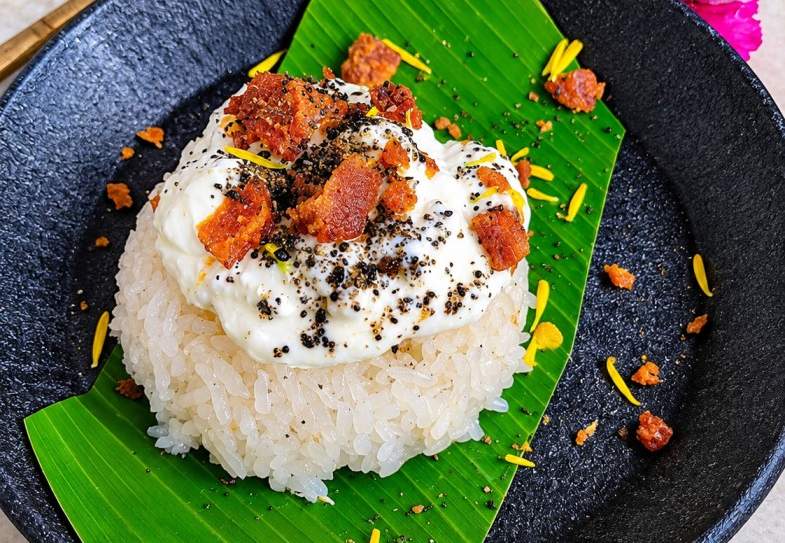
Assamese Jolpan is more than just a breakfast meal. It represents the traditional lifestyle, agricultural practices and food habits of the Assamese community. Rice has always been an important part of Assamese food culture, and different varieties are used to prepare unique dishes.
Xaol Saulor Jolpan reflects the simplicity of traditional Assamese cooking. It does not require expensive ingredients, complicated spices or lengthy cooking methods. Instead, it uses locally available rice, milk, curd, jaggery and fruits.
During Bihu celebrations, family gatherings and traditional ceremonies, different varieties of Jolpan are often served to guests. Komal Saul, Chira, Muri, Pitha and other rice-based preparations are popular examples.
Even with the increasing popularity of modern breakfast foods, traditional Jolpan continues to hold a special place in Assamese homes. It connects younger generations with their food traditions and reminds people of the importance of locally grown rice varieties.
Frequently Asked Questions (FAQs)
1. What is Xaol Saulor Jolpan?
Xaol Saulor Jolpan is a traditional Assamese breakfast prepared using softened rice. It is commonly served with milk, curd, jaggery, ripe banana, butter or ghee.
2. How do you prepare Xaol Saul for Jolpan?
Take the required quantity of Xaol Saul and soak it in warm or hot water for approximately 10–15 minutes. Once it becomes soft, drain the excess water and serve it with your preferred ingredients.
3. What ingredients are used in Xaol Saulor Jolpan?
The main ingredients are Xaol Saul, warm water, milk or curd, jaggery, ripe banana and butter or ghee. The ingredients can be adjusted according to personal taste.
4. Is Xaol Saulor Jolpan cooked or soaked?
Xaol Saulor Jolpan is generally prepared by soaking the rice in warm or hot water rather than boiling it like ordinary rice. The soaking process makes it soft and ready to eat.
5. What is the difference between Komal Saul and ordinary rice?
Komal Saul is a traditional Assamese rice variety that becomes soft after soaking in warm or hot water. Ordinary rice generally needs to be boiled or cooked before eating.