
Dhekia Xaakor Logot Maas: Traditional Assamese Fish Curry

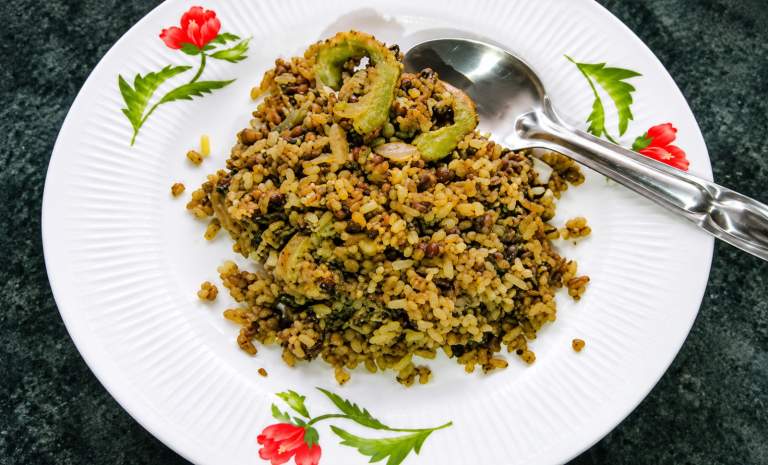
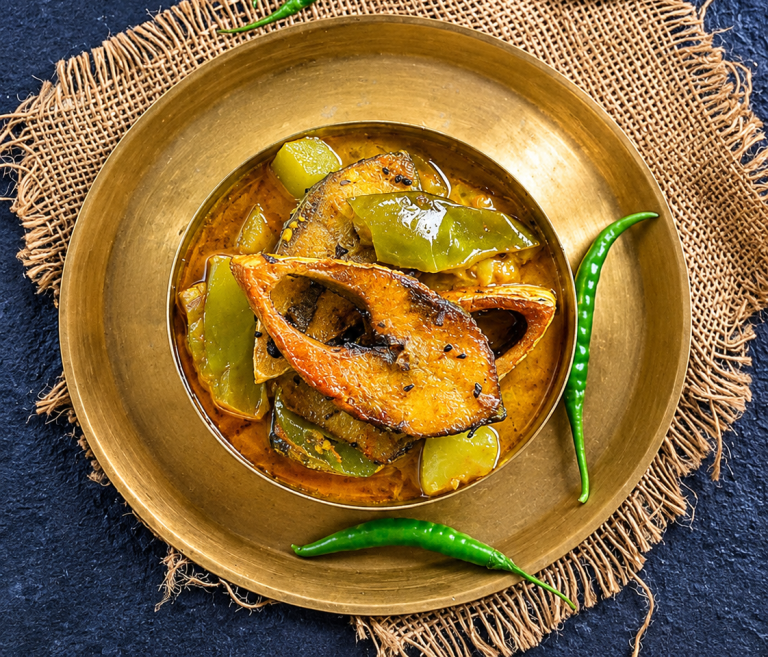
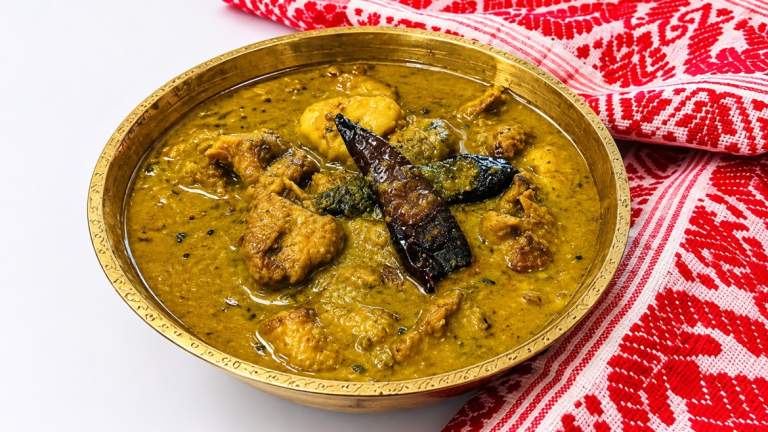
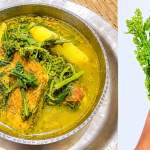
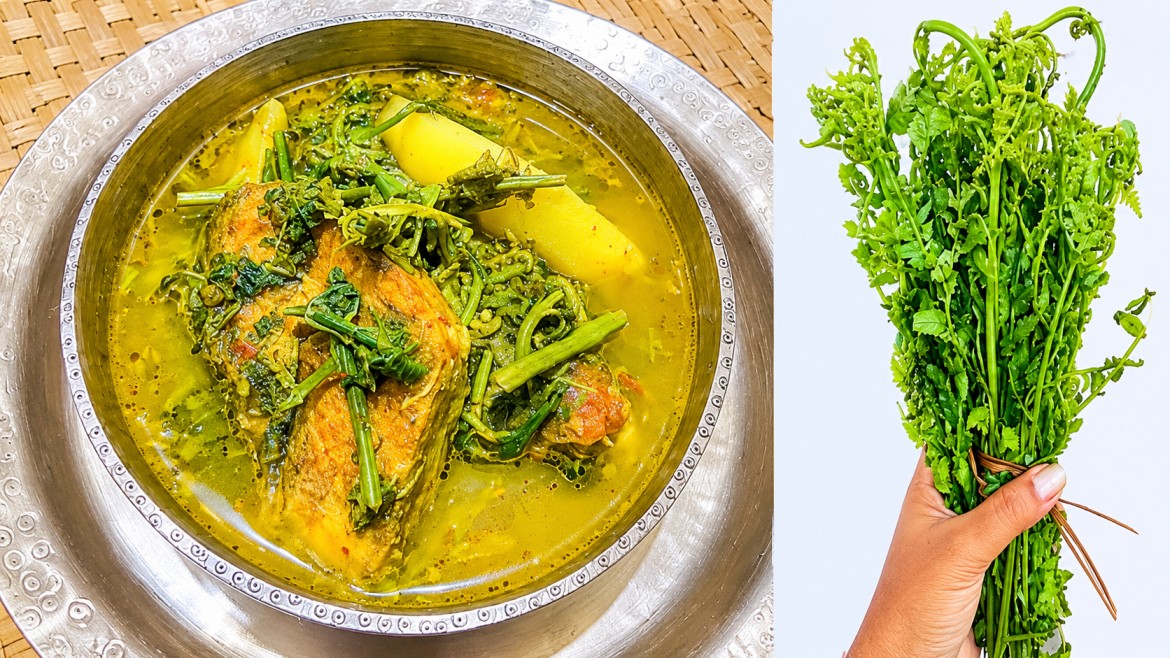
Dhekia Xaakor Logot Maas is a traditional Assamese fish curry prepared with fresh fish, tender fiddlehead ferns (Dhekia Xaak), potatoes, mustard oil and simple spices. This delicious homemade dish is loved for its earthy flavour, light gravy and combination of fresh green vegetables with freshwater fish. It is commonly served with hot steamed rice and is a wonderful example of traditional Assamese cooking.
Assamese cuisine is known for its simple cooking techniques and the use of fresh, locally available ingredients. Dhekia Xaak is one of the popular seasonal leafy vegetables in Assam. It grows naturally in moist areas and is widely used in traditional Assamese households. Its tender shoots have a distinctive flavour and are used in different recipes, including vegetable dishes, fish curry and stir-fried preparations.

When cooked with fish, Dhekia Xaak creates a comforting curry that is both flavourful and satisfying. Mustard oil gives the dish its traditional Assamese taste, while ginger, garlic, onion and green chillies add aroma. Potatoes make the curry more filling, and the combination of fish and fiddlehead ferns gives it a unique taste that is different from ordinary fish curries.
If you enjoy homemade Assamese food, Dhekia Xaakor Logot Maas is a recipe worth preparing in your kitchen. It is easy to cook, requires simple ingredients and pairs perfectly with rice.
What Is Dhekia Xaakor Logot Maas?
Dhekia Xaakor Logot Maas is an Assamese fish curry made with freshwater fish and fiddlehead fern shoots. In Assamese, Dhekia Xaak refers to fiddlehead ferns, while Maas means fish. The dish combines fried fish with tender fern shoots, potatoes and a lightly spiced gravy.
Dhekia Xaak is usually collected or purchased when the tender shoots are available. Only the soft, curled upper portions and tender stems are used for cooking. The tougher lower stems are removed because they may remain fibrous even after cooking.
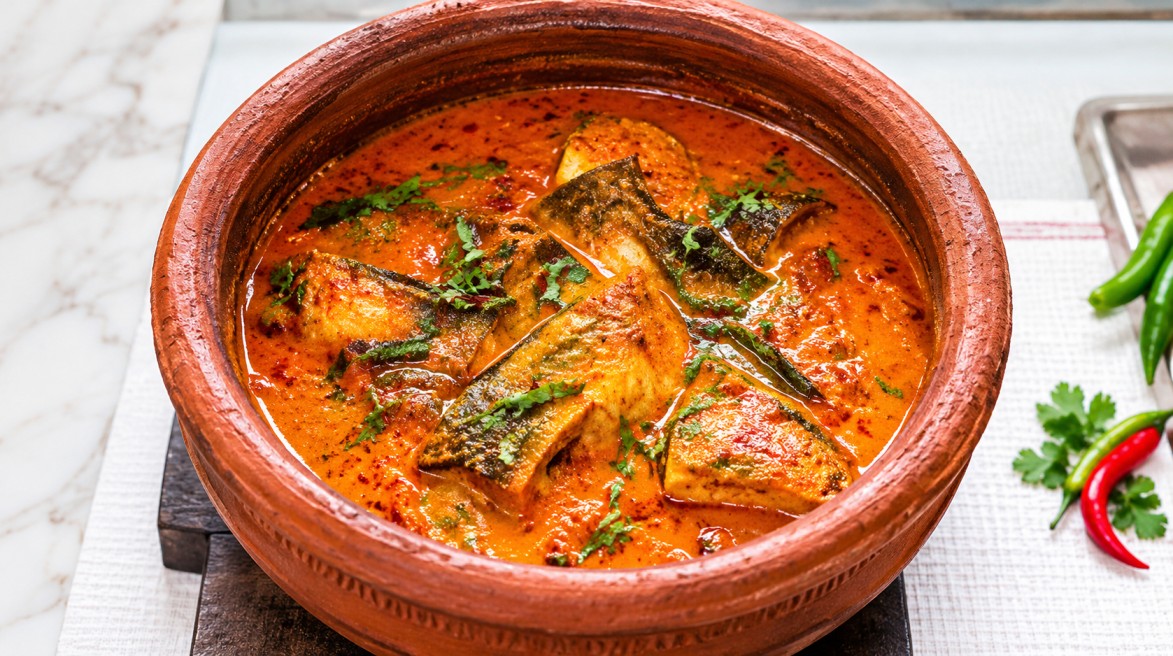
The recipe is generally prepared using Rohu, Katla or small river fish. The fish is lightly fried in mustard oil before being added to the curry. The ferns are cooked with potatoes and spices, and the fried fish is simmered in the gravy to absorb the flavour of the greens.
This traditional dish is popular among Assamese families who enjoy seasonal vegetables and simple fish-based meals. It is often prepared for lunch and served with steamed rice, making it a comforting meal for the entire family.
Ingredients for Dhekia Xaakor Logot Maas
The following ingredients are required to prepare a traditional Assamese Dhekia Xaak fish curry for approximately 3–4 people.
| Ingredients | Quantity |
|---|---|
| Fresh freshwater fish (Rohu, Katla or river fish) | 500 g |
| Dhekia Xaak (fiddlehead ferns) | 1 large bunch |
| Potato | 1 medium-sized |
| Onion | 1 medium-sized |
| Ginger-garlic paste | 1 tablespoon |
| Green chillies | 2-3 |
| Mustard oil | 3-4 tablespoons |
| Nigella seeds (Kalonji) | ½ teaspoon |
| Turmeric powder | 1 teaspoon |
| Salt | To taste |
| Warm water | 1½-2 cups |
Preparation time: 20 minutes
Cooking time: 30–35 minutes
Total time: Approximately 50–55 minutes
Cuisine: Assamese
Servings: 3–4 people
How to Prepare Dhekia Xaakor Logot Maas
Preparing Dhekia Xaakor Logot Maas is simple if you clean the greens properly and cook the fish and vegetables in the right order. The following step-by-step method will help you make a flavourful Assamese fish curry at home.
Step 1: Clean and Prepare the Fish
Take 500 grams of fresh Rohu, Katla or another freshwater fish. Clean the fish properly, remove the scales and unwanted parts, and cut it into medium-sized pieces. Wash the fish and drain the excess water.
Add half a teaspoon of turmeric powder and salt to the fish pieces. Mix gently so that the turmeric and salt coat the fish evenly. Allow the fish to rest for around 10 minutes so that the seasoning gets absorbed.
This step helps the fish develop a beautiful golden colour when fried and adds flavour to the curry.
Step 2: Clean and Prepare Dhekia Xaak
Take one large bunch of fresh Dhekia Xaak and wash it thoroughly under clean running water to remove dirt, mud and other impurities. Carefully separate the tender curled shoots and soft upper stems from the tougher lower stalks.
Discard the hard portions because they may become fibrous after cooking. Roughly chop the tender shoots and stems into medium-sized pieces and keep them aside.
Proper cleaning and selection of tender fiddlehead ferns are important for achieving the right texture and taste in the curry.
Step 3: Fry the Fish in Mustard Oil
Heat three to four tablespoons of mustard oil in a kadai or karahi over medium heat. Allow the oil to become hot before adding the fish. Traditionally, mustard oil is heated well to reduce its raw smell and bring out its flavour.
Carefully place the marinated fish pieces into the hot oil. Fry them lightly on both sides until they become golden brown. Avoid over-frying because the fish will cook further in the curry.
Once the fish pieces are lightly fried, remove them from the kadai and place them on a plate. Keep the remaining mustard oil in the kadai for preparing the curry base.
Step 4: Prepare the Aromatic Curry Base
In the same kadai, add half a teaspoon of nigella seeds (kalonji). Allow the seeds to crackle for a few seconds in the hot mustard oil.
Add one finely chopped onion and fry it until it becomes soft and lightly golden. Now add one tablespoon of ginger-garlic paste and two to three slit green chillies.
Stir everything well and cook for about one minute until the raw smell of ginger and garlic disappears. The onion, ginger, garlic and green chilli mixture creates a flavourful base for the fish curry.
Step 5: Cook the Potatoes and Add Turmeric
Peel one medium-sized potato and cut it into small cubes. Add the potato pieces to the kadai along with the remaining half teaspoon of turmeric powder and salt according to your taste.
Fry the potatoes for three to four minutes, stirring occasionally. This allows the potatoes to absorb the flavours of mustard oil and spices before the greens are added.
Potatoes are commonly used in Assamese fish curries because they make the gravy more filling and absorb the flavours of the curry.
Step 6: Add Dhekia Xaak and Cook
Now add the chopped Dhekia Xaak to the kadai. Mix the greens with the potatoes, onion and spices.
Cook over medium heat for around four to five minutes, stirring occasionally. The fiddlehead ferns will gradually wilt and reduce in volume. Their earthy aroma will mix with the mustard oil and spices, giving the curry its traditional flavour.
Do not rush this step. Allow the greens to soften slightly before adding water so that they combine well with the other ingredients.
Step 7: Add Water and Simmer the Curry
Pour one and a half to two cups of warm water into the kadai, depending on how much gravy you prefer. Stir gently and bring the curry to a boil.
Cover the kadai with a lid and cook over medium heat for around 8–10 minutes. During this time, the potatoes and tender fern stems will cook and become soft.
Check the potatoes by gently pressing one piece with a spoon. If they are still firm, continue cooking for a few more minutes until the vegetables are tender.
Step 8: Add the Fried Fish
Once the potatoes and Dhekia Xaak are cooked, gently add the lightly fried fish pieces to the simmering gravy.
Do not stir vigorously because the fish pieces may break apart. Instead, gently move the kadai or use a spoon carefully to distribute the fish in the curry.
Simmer uncovered for another four to five minutes so the fish absorbs the flavour of the fiddlehead ferns, mustard oil and spices. Adjust the salt if required and turn off the heat.
Your traditional Assamese Dhekia Xaakor Logot Maas is now ready to serve.
Tips for Making Delicious Dhekia Xaakor Logot Maas
- Choose fresh greens: Use fresh, tender Dhekia Xaak for the best taste and texture.
- Remove tough stalks: Discard the fibrous lower portions and use the tender shoots and upper stems.
- Use mustard oil: Mustard oil gives the curry its traditional Assamese flavour.
- Avoid over-frying the fish: Lightly fry the fish so it remains soft after simmering in the gravy.
- Cook the greens properly: Allow the fiddlehead ferns to soften before adding water.
- Do not stir too much: Stir gently after adding the fish to prevent the pieces from breaking.
- Adjust the gravy: Add more water if you prefer a thinner curry or use less water for a thicker preparation.
Dhekia Xaakor Logot Maas – A Tangy Assamese Variation
If you enjoy sour fish curries, you can give this recipe a tangy twist by adding elephant apple (Ou Tenga) or dried mangosteen (Thekera). These ingredients are widely used in Assamese cuisine to prepare sour dishes.
To make this variation, add a few slices of Ou Tenga or a small piece of soaked Thekera while adding water to the curry. Allow it to simmer with the potatoes and Dhekia Xaak until the flavours blend together.
The sour taste balances the earthy flavour of the fiddlehead ferns and the richness of the fish. However, the traditional version can also be prepared without any sour ingredient, allowing the natural flavour of Dhekia Xaak to remain the main attraction.
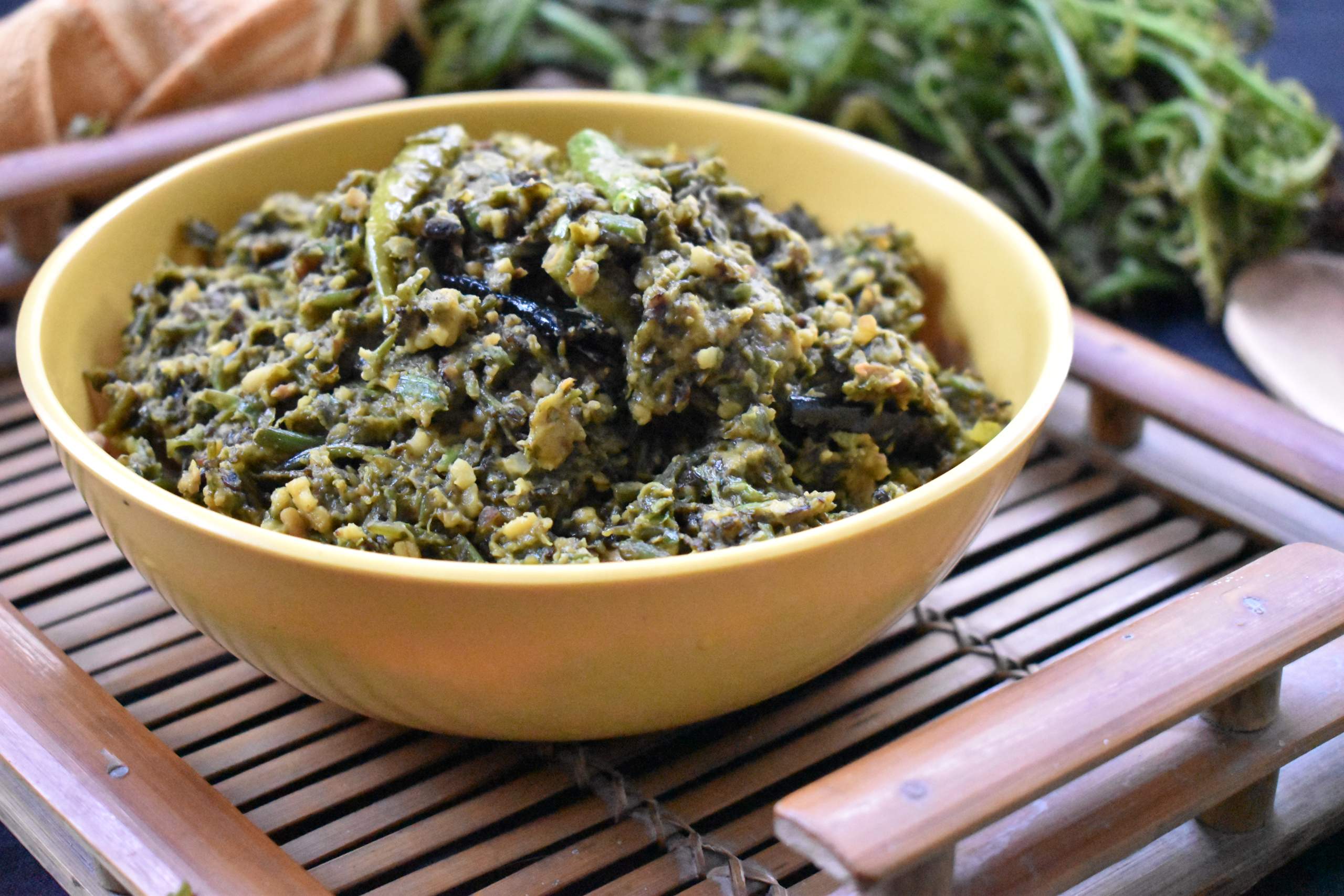
How to Serve Dhekia Xaakor Logot Maas
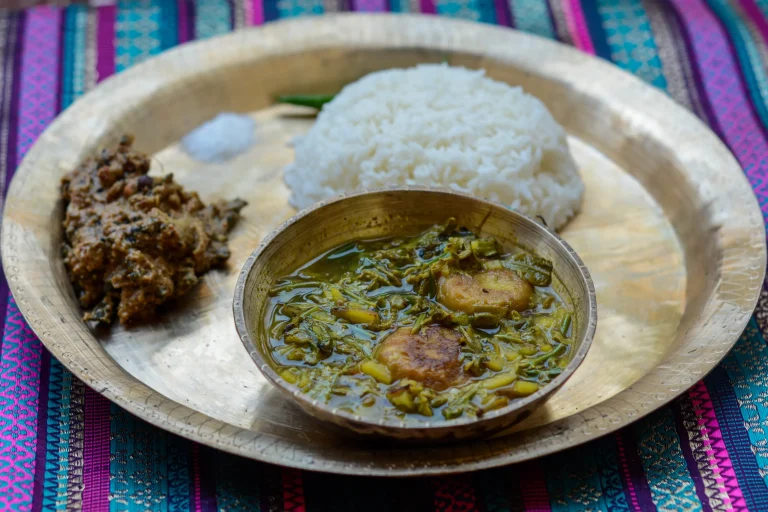
Dhekia Xaakor Logot Maas tastes best when served hot with freshly cooked steamed rice. The light gravy can be poured over rice, while the fish and tender greens can be enjoyed as a side portion.
In a traditional Assamese meal, this curry can be served alongside plain rice, dal, Aloo Pitika, seasonal vegetables or a simple chutney. Since the curry already contains fish, potatoes and greens, it can also be enjoyed as the main dish of a simple homemade lunch.
The combination of freshwater fish, fiddlehead ferns and mustard oil creates a natural flavour that does not require too many spices. This is one of the reasons why traditional Assamese recipes are loved for their simplicity.
Why Dhekia Xaak Is Popular in Assamese Cuisine
Dhekia Xaak is an important seasonal leafy vegetable in Assam. It is commonly used in traditional households because it grows in suitable moist environments and is available in local markets during its growing season.
The tender shoots are used in different Assamese dishes, including stir-fries, vegetable preparations and fish curries. Its slightly earthy flavour and distinctive texture make it different from ordinary leafy vegetables.
Dhekia Xaak is also valued as a seasonal food. Many Assamese families enjoy preparing recipes with freshly collected greens when they are available. Cooking it with fish is one of the traditional ways of combining locally available vegetables with freshwater fish.
The recipe for Dhekia Xaakor Logot Maas reflects the Assamese food tradition of using fresh ingredients, simple spices and familiar cooking methods. It is a comforting dish that brings the taste of seasonal greens to the everyday Assamese meal.
Frequently Asked Questions (FAQs)
1. What is Dhekia Xaakor Logot Maas?
Dhekia Xaakor Logot Maas is a traditional Assamese fish curry prepared with freshwater fish, fiddlehead ferns, potatoes, mustard oil, onion, ginger, garlic and green chillies.
2. What is Dhekia Xaak called in English?
Dhekia Xaak is commonly known as fiddlehead fern. It refers to the young, curled shoots of certain fern plants that are used as a vegetable.
3. Which fish is best for preparing Dhekia Xaakor Logot Maas?
Rohu and Katla are popular choices for this recipe. Small freshwater river fish can also be used, depending on availability and personal preference.
4. How do you clean Dhekia Xaak before cooking?
Wash the greens thoroughly under running water to remove dirt and mud. Remove the hard lower stalks and keep the tender curled shoots and soft upper stems for cooking.
5. Can Dhekia Xaakor Logot Maas be prepared without potatoes?
Yes. Potatoes are optional, although they add texture and make the curry more filling. You can prepare the recipe using only fish, Dhekia Xaak and the basic spices.