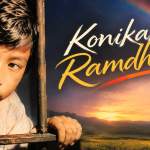


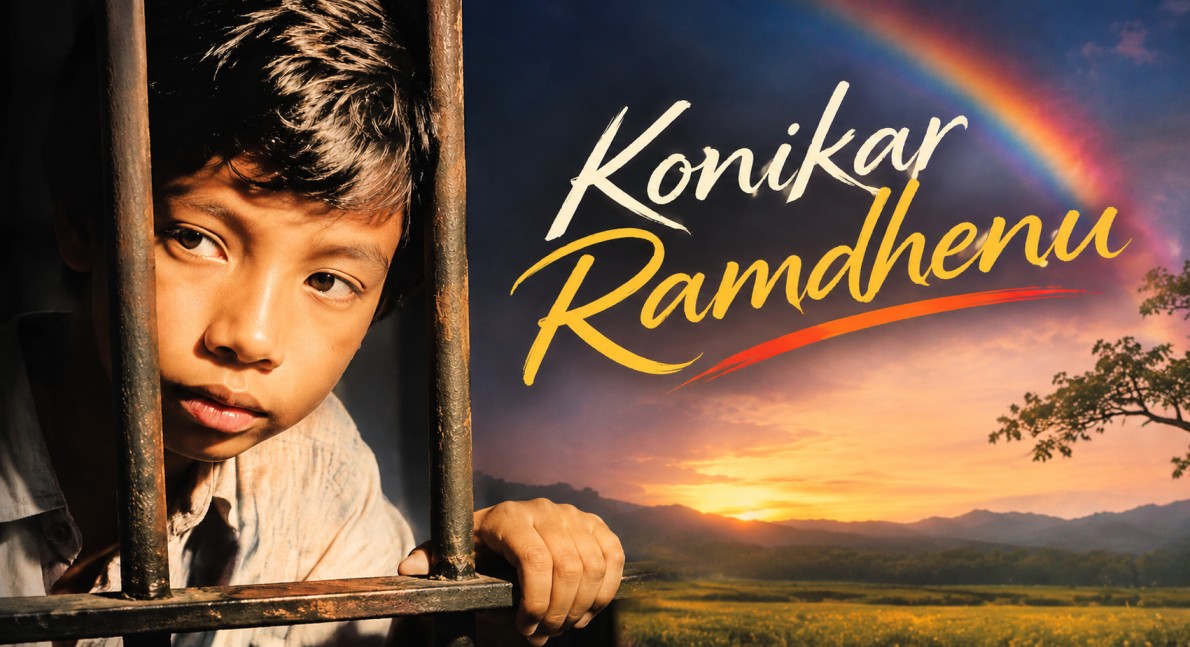
Konikar Ramdhenu (2002): An Award-Winning Film

Konikar Ramdhenu is a powerful Assamese film directed by Jahnu Barua that explores the struggles of children living in difficult circumstances. Released in 2002, the film tells the story of an imaginative 11-year-old boy named Kukoi, whose life changes after a tragic incident forces him into a juvenile home.
Also known by its English title, Ride on the Rainbow, the film highlights the emotional challenges faced by children who lack family support and protection. Through Kukoi’s journey, Jahnu Barua explores childhood, neglect, justice, compassion and the importance of giving vulnerable children another chance in life.

Starring Ronik, Bishnu Kharghoria and Moloya Goswami, Konikar Ramdhenu received the National Award for Best Regional Film in 2002. It is also the final film in Jahnu Barua’s trilogy, following Xagoroloi Bohudoor (1995) and Pokhi (1998).
Konikar Ramdhenu: Film Details
| Details | Information |
|---|---|
| Film Name | Konikar Ramdhenu |
| English Title | Ride on the Rainbow |
| Release Date | 20 December 2002 |
| Director | Jahnu Barua |
| Writer | Jahnu Barua |
| Producer | Sailadhar Baruah |
| Main Cast | Ronik, Bishnu Kharghoria, Moloya Goswami |
| Cinematography | P. Rajan |
| Editing | Heu-En Baruah |
| Music Directors | Reeta Das Baruah and Y. S. Moolky |
| Distributor | Dolphin Films Pvt. Ltd. |
| Language | Assamese |
| Country | India |
| Runtime | 112 minutes |
| Award | National Award for Best Regional Film (2002) |
Story of Konikar Ramdhenu
The story of Konikar Ramdhenu follows Kukoi, an intelligent and imaginative 11-year-old boy who leaves his village home and travels to a city. There, he begins working at a motor garage in the hope of finding a way to support himself.
However, his life takes a tragic turn when the garage owner attempts to molest him. In an act of self-defence, Kukoi strikes the owner with an iron rod, accidentally killing him. The incident brings him before the court, and he is sent to a state juvenile home.
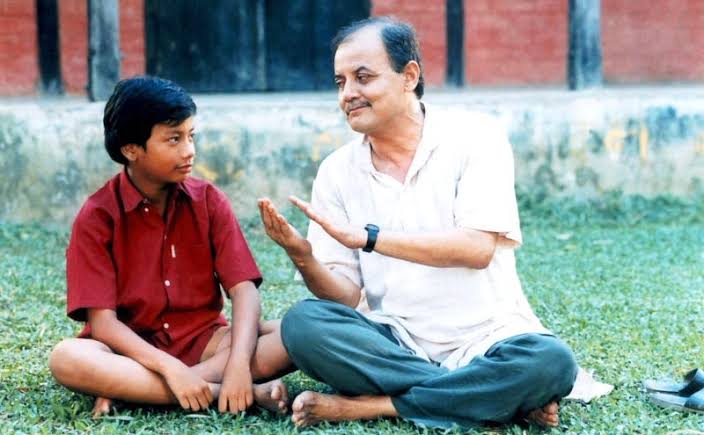
Life inside the juvenile home is frightening for Kukoi. He is traumatised by the experience and struggles to explain what really happened. The situation begins to change when he meets Biswa Boro, the warden of the institution.
Unlike people who judge Kukoi only by the incident, Biswa tries to understand the boy’s circumstances. Through patience and kindness, he encourages Kukoi to explain the truth about the garage owner’s death. His efforts help bring the real situation to light.
Kukoi is eventually presented before a magistrate, who orders his release and directs that he be placed in the custody of his parents or an authorised guardian.
Biswa decides to find Kukoi’s family and travels to his village. However, he discovers that Kukoi’s mother died years earlier and that his stepfather has disowned him. The boy has no reliable family support to return to.
Biswa is a retired man without children of his own. After understanding Kukoi’s situation, he decides to adopt him. His decision gives the boy an opportunity to find the care, protection and family support he has been missing.
Through this emotional journey, the film asks viewers to look beyond a child’s actions and understand the circumstances that may have led to them. It also highlights the importance of compassion and rehabilitation in the juvenile justice system.
Cast and Characters
The film features several established and emerging performers who bring its emotional story to life.
| Actor | Character |
|---|---|
| Ronik | Kukoi |
| Bishnu Kharghoria | Biswa Boro |
| Moloya Goswami | Supporting role |
| Reba Phukan | Supporting role |
| Dinesh Das | Supporting role |
| Abinash Sharma | Supporting role |
| Ashwini Bhuyan | Supporting role |
| Indrani Gogoi | Supporting role |
| Mahika Sharma | Supporting role |
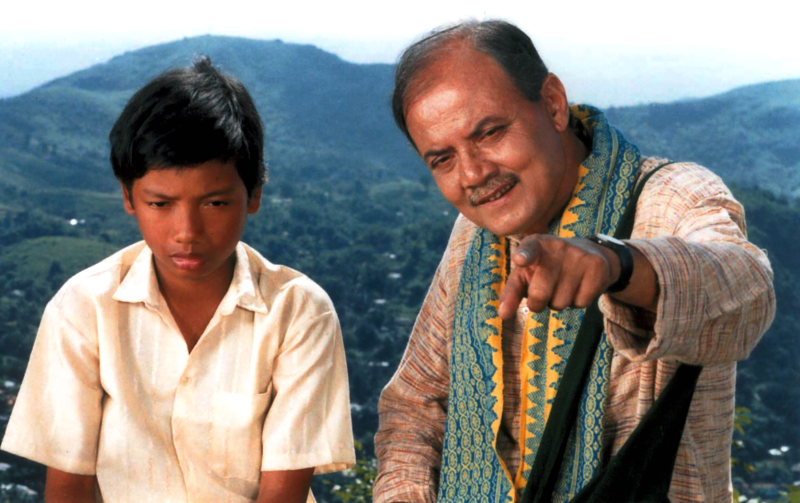
Ronik’s portrayal of Kukoi is central to the film. The character represents children who are often misunderstood because society sees their actions without considering the difficulties they have faced. Biswa Boro’s character provides an important contrast by showing how patience and understanding can change a child’s future.
Jahnu Barua’s Research and Direction
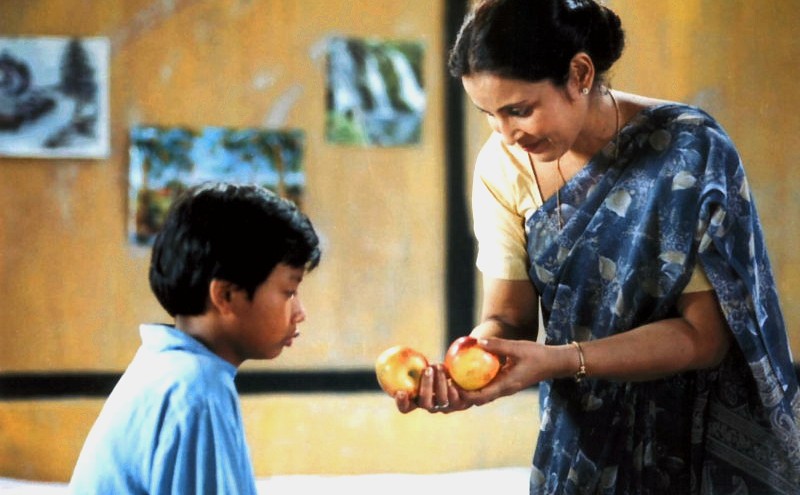
Jahnu Barua explored the realities of juvenile homes before making Konikar Ramdhenu. According to the information shared about the film, he visited 12 juvenile homes to understand the conditions and experiences of children living in such institutions.
During his research, he observed that more than 80 out of 100 cases ended in negative situations, which was far below what he had hoped to find. These observations influenced the film’s treatment of childhood, institutional care and rehabilitation.
Instead of presenting Kukoi simply as a child who has committed a crime, Barua focuses on the circumstances that led to the incident. The story encourages viewers to consider the importance of protecting children and providing them with opportunities to rebuild their lives.
The film also forms the final part of Barua’s trilogy, which includes Xagoroloi Bohudoor (1995) and Pokhi (1998). Together, these films reflect his interest in ordinary people and the social challenges that shape their lives.
Music of Konikar Ramdhenu
The music of Konikar Ramdhenu was composed by Reeta Das Baruah and Y. S. Moolky. The film’s emotional story benefits from music that supports its themes of childhood, loneliness, compassion and hope.
Music plays an important role in creating the mood of a film, particularly when the story focuses on a young character experiencing fear and uncertainty. In Konikar Ramdhenu, the musical contribution forms part of the film’s overall emotional presentation.
The available information identifies the composers but does not provide a complete soundtrack list, song titles or singer details. Therefore, those details should not be assumed without further verification.
Awards and Film Festival Recognition
Konikar Ramdhenu received the National Award for Best Regional Film in 2002. This recognition established its importance in Assamese cinema and brought attention to its subject of childhood and juvenile care.
The film was also shown in the Indian Panorama section of the International Film Festival of India in 2002, held in Delhi. It later appeared at the Mumbai International Film Festival in 2003.
Its selection for these film events helped introduce the film’s story to a wider audience beyond Assam.
Conclusion
Konikar Ramdhenu is a meaningful Assamese film that explores the lives of children who face neglect, trauma and a lack of family support. Through Kukoi’s journey, Jahnu Barua shows why children should be understood and supported rather than judged only by their actions.
The performances, social message and thoughtful direction make the film an important part of Assamese cinema. Its National Award recognition further highlights the value of its subject. The story of Kukoi and Biswa Boro remains a reminder that kindness and compassion can give a child a new beginning.
FAQs About Konikar Ramdhenu
1. Who directed Konikar Ramdhenu?
Jahnu Barua wrote and directed Konikar Ramdhenu.
2. When was Konikar Ramdhenu released?
The film was released on 20 December 2002.
3. What is the English title of Konikar Ramdhenu?
Its English title is Ride on the Rainbow.
4. Who played Kukoi in Konikar Ramdhenu?
Ronik played Kukoi, the 11-year-old boy at the centre of the story.
5. What is the story of Konikar Ramdhenu about?
The film follows Kukoi, a young boy who is sent to a juvenile home after accidentally killing a garage owner while defending himself. The warden, Biswa Boro, tries to understand his situation and eventually decides to adopt him.