


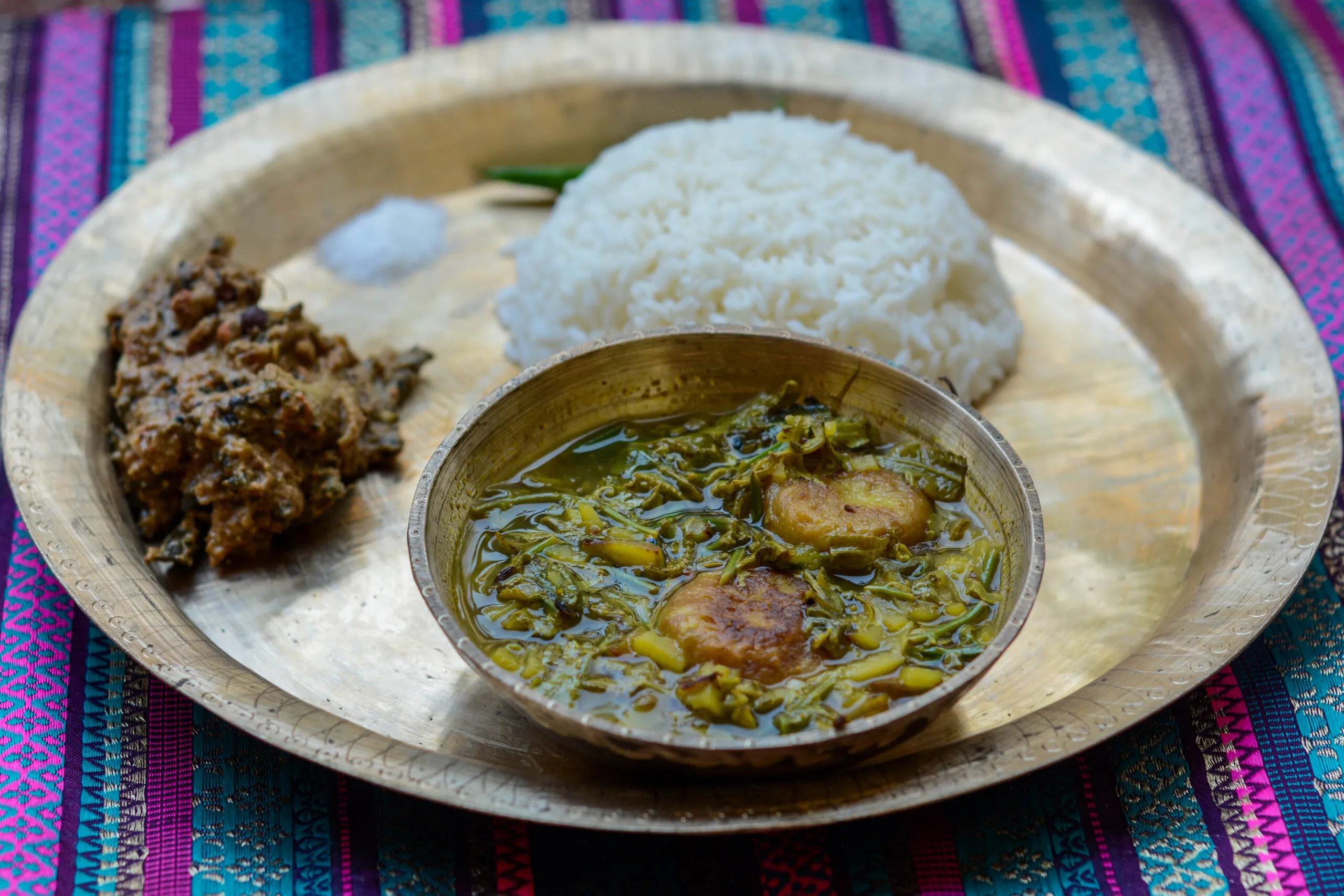
Ou Tenga Curry: A Traditional Assamese Sour Curry

Ou Tenga Curry is a traditional Assamese dish prepared with elephant apple, a seasonal fruit known for its strong sour taste. Locally called Ou, elephant apple is an important ingredient in Assamese cuisine. This simple curry is loved for its refreshing tangy flavour, light gravy, and easy cooking method. It is usually served with hot steamed rice and other traditional Assamese side dishes.
Assamese food is famous for using fresh, seasonal, and locally available ingredients. Many traditional recipes use very few spices because the natural taste of the main ingredient is more important. Ou Tenga Curry is a perfect example of this cooking style. Mustard oil, mustard seeds, green chillies, turmeric, and salt are enough to prepare a delicious curry that brings out the unique flavour of elephant apple.

Ou Tenga is especially enjoyed during the warmer months when the fruit is available in local markets and gardens. Families prepare it in different ways, depending on their taste and regional cooking traditions. Some people prefer a simple sour curry, while others add a little sugar or jaggery to balance the sharpness of the fruit.
This recipe explains how to prepare traditional Assamese Ou Tenga Curry at home using simple ingredients and an easy cooking method.
What Is Ou Tenga?
Ou Tenga is the Assamese name for a sour curry made with elephant apple. The fruit is known for its thick outer skin, fibrous flesh, and naturally tangy taste. It is commonly used in Assamese cooking to prepare curries, chutneys, and other traditional dishes.
The word Ou refers to elephant apple, while Tenga means sour in Assamese. The name describes the main flavour of the dish. Unlike rich curries that use many spices, Ou Tenga Curry has a light texture and a refreshing taste.
In traditional Assamese meals, this curry is commonly served with rice, dal, and simple vegetable dishes. It can also be served alongside fish preparations. Its sour flavour adds variety to an everyday meal and makes plain rice more enjoyable.
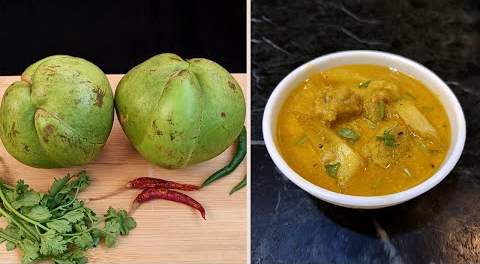
Recipe Information
| Recipe Details | Information |
|---|---|
| Recipe Name | Ou Tenga Curry |
| Cuisine | Assamese |
| Main Ingredient | Elephant Apple (Ou) |
| Course | Main Course / Side Dish |
| Preparation Time | 15 minutes |
| Cooking Time | 20–25 minutes |
| Total Time | About 40 minutes |
| Servings | 3–4 people |
| Difficulty | Easy |
Ingredients for Ou Tenga Curry
The following ingredients are enough to prepare Ou Tenga Curry for three to four people.
| Ingredients | Quantity |
|---|---|
| Elephant apple (Ou) | 1 medium-sized |
| Mustard oil | 1–2 tablespoons |
| Mustard seeds | ½ teaspoon |
| Green chillies | 2 |
| Turmeric powder | ½ teaspoon |
| Salt | As required |
| Sugar or jaggery | 1–2 teaspoons (optional) |
| Water | 1½–2 cups |
| Fresh coriander leaves | A small amount (optional) |
Important ingredient note: The amount of sugar or jaggery depends on the sourness of the elephant apple. You can skip it if you enjoy a naturally sharp and tangy curry.
How to Prepare Elephant Apple for the Curry
The first step in making Ou Tenga Curry is preparing the elephant apple properly. Wash the fruit thoroughly under clean running water to remove dirt. Place it on a stable cutting board and carefully remove the tough outer skin using a strong knife or peeler.
Cut the fruit into medium-sized pieces. Elephant apple can be quite firm, and its flesh may contain fibrous portions. Remove any particularly hard or unwanted parts while cutting. The pieces should be large enough to hold their shape during cooking.
Some varieties of elephant apple are more sour and fibrous than others. If the fruit is very firm, you may need to cook it for a little longer. Keep the prepared pieces aside while you heat the oil and prepare the tempering.
Step-by-Step Cooking Method for Ou Tenga Curry
Step 1: Heat the Mustard Oil
Take a medium-sized pan or kadai and place it over medium heat. Add one or two tablespoons of mustard oil. Heat the oil until it becomes hot, then reduce the flame slightly.
Mustard oil gives Ou Tenga Curry its traditional Assamese flavour. It adds a distinctive aroma that goes well with the sourness of elephant apple. If you do not have mustard oil, you can use another cooking oil, but the taste may be slightly different.
Step 2: Add Mustard Seeds and Green Chillies
Add half a teaspoon of mustard seeds to the hot oil. Allow them to crackle for a few seconds. Be careful because mustard seeds may pop when they become hot.
Next, add two slit green chillies and sauté briefly. The chillies add a mild heat to the curry and improve its aroma. You can increase or reduce the number of chillies according to your taste.
Step 3: Add the Elephant Apple Pieces
Add the prepared elephant apple pieces to the pan. Sprinkle half a teaspoon of turmeric powder and salt according to taste.
Mix everything gently so that the fruit pieces are coated with mustard oil and seasoning. Cook for around three to four minutes over medium heat. This allows the elephant apple to absorb the flavour of the tempering.
Avoid stirring too roughly because the pieces may break as they become soft.
Step 4: Add Water and Cook
Pour approximately one and a half to two cups of water into the pan. Mix gently and cover the pan with a lid.
Cook over medium heat for about 15–20 minutes, or until the elephant apple becomes tender. The exact cooking time depends on the size, ripeness, and firmness of the fruit.
Check the curry occasionally. If the water becomes too low before the fruit is cooked, add a little more hot water. The pieces should become soft enough to eat but should still hold their shape.
Step 5: Balance the Sour Taste
Once the elephant apple is tender, taste the gravy. The fruit naturally has a strong sour flavour, which is the main attraction of this dish.
If you prefer a balanced taste, add one or two teaspoons of sugar or jaggery. Mix gently and simmer for another two to three minutes so that the sweetness blends with the sour gravy.
You do not need to add sugar if you enjoy the traditional sharp taste. The amount should depend on the natural sourness of the fruit and your personal preference.
Step 6: Adjust the Curry Consistency
Check the salt and gravy consistency. Ou Tenga Curry is generally light and watery rather than thick like a rich masala curry.
If the gravy is too sour or concentrated, add a little water and simmer briefly. If it is too watery for your preference, cook it uncovered for a few minutes to reduce the liquid.
Be careful not to overcook the elephant apple because the pieces may become mushy.
Step 7: Finish and Serve
When the curry reaches the desired taste and consistency, turn off the heat. Add a few chopped coriander leaves if you like their fresh flavour.
Allow the curry to rest for a few minutes before serving. Your traditional Assamese Ou Tenga Curry is now ready to enjoy.
How to Serve Ou Tenga Curry
Ou Tenga Curry tastes best when served warm with freshly cooked steamed rice. Its sour gravy mixes well with plain rice and creates a refreshing combination.
You can include it in a traditional Assamese meal with the following dishes:
- Steamed rice: The most common accompaniment.
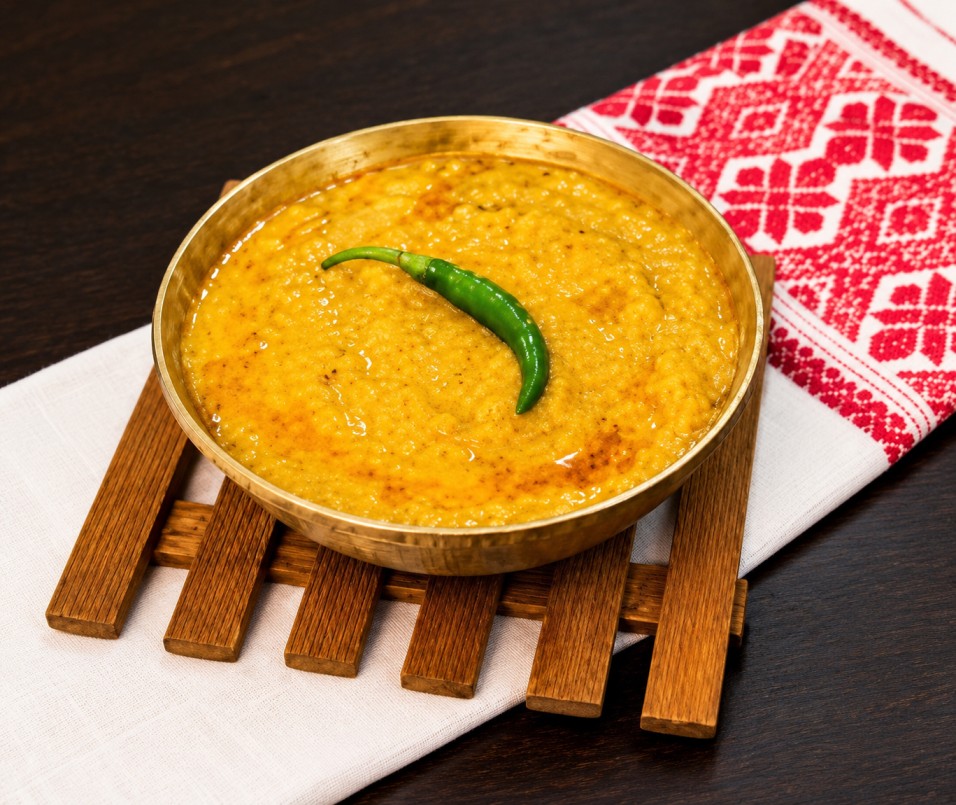
- Assamese dal: A simple lentil preparation balances the sour taste.
- Aloo Pitika: Mashed potatoes with mustard oil, onion, and green chillies.
- Bengena Pitika: Assamese-style mashed roasted brinjal.
- Seasonal vegetables: Lightly cooked vegetables make the meal balanced.
- Fish curry: A simple fish preparation can be served alongside Ou Tenga.
A meal of steamed rice, dal, Ou Tenga, and Aloo Pitika is a simple way to enjoy traditional Assamese home cooking.
Different Ways to Prepare Ou Tenga
Although the simple mustard-oil recipe is widely enjoyed, Assamese households may prepare elephant apple in different ways.
1. Ou Tenga with Fish
Some Assamese recipes combine elephant apple with fish. The fruit adds sourness to the fish curry and creates a distinctive flavour. Rohu and other freshwater fish may be used, depending on local preference.
2. Ou Tenga with Lentils
Elephant apple can also be used to prepare a sour lentil dish. The fruit is cooked with dal to create a comforting preparation that is usually eaten with rice.
3. Simple Ou Tenga Curry
This version uses only elephant apple, mustard oil, mustard seeds, green chillies, turmeric, salt, and water. It is ideal for people who enjoy the natural sourness of the fruit.
4. Sweet and Sour Ou Tenga
A small amount of sugar or jaggery is added to balance the sharp taste of elephant apple. This version is suitable for people who prefer a milder sour flavour.
Cooking Tips for Perfect Ou Tenga Curry
- Choose fresh elephant apple: Select a fresh fruit without signs of spoilage. The fruit should have a firm texture.
- Peel it carefully: Remove the tough outer skin before cutting the fruit into pieces.
- Use mustard oil: It provides the characteristic flavour of traditional Assamese cooking.
- Do not add too many spices: The natural sourness of elephant apple should remain the main flavour.
- Adjust the sweetness: Add sugar or jaggery only after tasting the cooked curry.
- Cook until tender: The fruit should become soft but should not completely lose its shape.
- Keep the gravy light: Ou Tenga is best enjoyed with a thin, tangy gravy.
- Taste before serving: The sourness can vary from one elephant apple to another, so adjust the salt, water, and sweetness accordingly.
Nutritional Value of Ou Tenga Curry
Elephant apple is a fruit that contains dietary fibre and various plant compounds. Like other fruits, it can contribute to variety in a balanced diet. However, its nutritional value in a prepared curry depends on the quantity used and the other ingredients added.
This curry generally uses a small amount of mustard oil and very few spices. It does not require cream, butter, or heavy masala. Therefore, it is a relatively light preparation compared with many rich gravies.
The nutritional content will vary according to the size of the fruit, amount of oil, and whether sugar or jaggery is added.
Frequently Asked Questions (FAQs)
1. What is Ou Tenga Curry?
Ou Tenga Curry is a traditional Assamese sour curry prepared with elephant apple, locally known as Ou. It is usually cooked with mustard oil, mustard seeds, green chillies, turmeric, salt, and water.
2. What is Ou called in English?
Ou is called elephant apple in English. It is a sour fruit commonly used in Assamese and other Northeastern Indian cuisines.
3. What does Tenga mean in Assamese?
Tenga means sour in Assamese. It is often used to describe dishes prepared with sour fruits or other ingredients that give food a tangy taste.
4. Is Ou Tenga Curry vegetarian?
Yes. The basic Ou Tenga Curry recipe is vegetarian. It uses elephant apple, mustard oil, spices, and water. Fish can be added in other versions, but it is not necessary for the traditional simple curry.
5. How long does it take to cook Ou Tenga Curry?
It usually takes about 15 minutes to prepare the ingredients and 20–25 minutes to cook the curry. The total preparation and cooking time is around 40 minutes.