


The Authentic Taste of Khar: A Traditional Assamese Dish

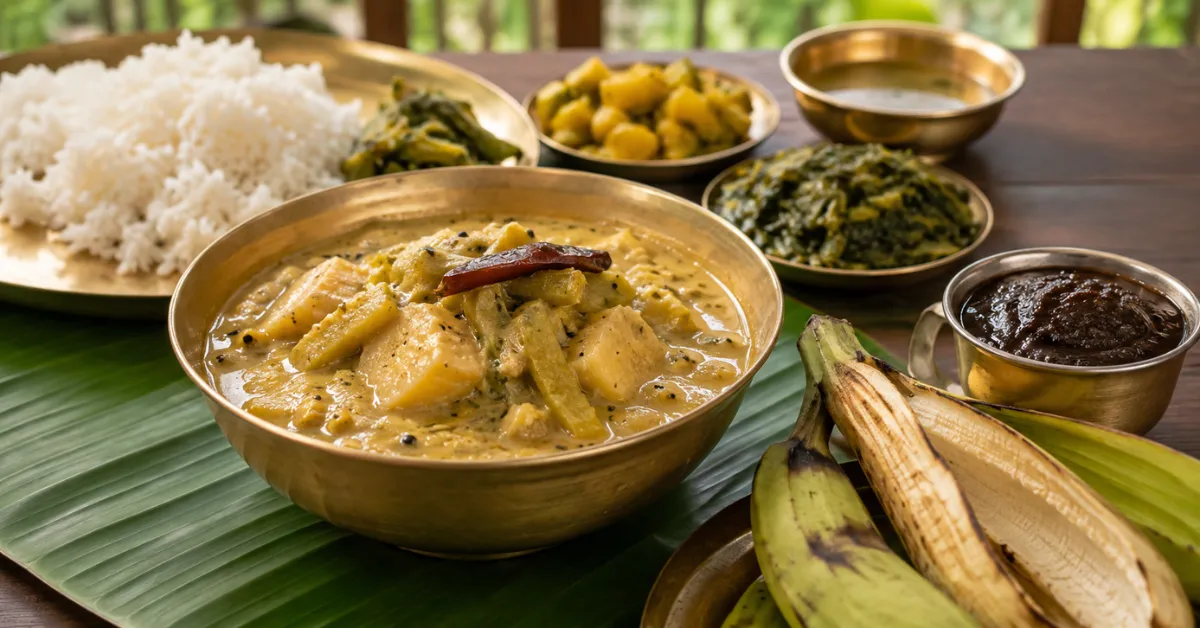
The Authentic Taste of Khar represents the unique flavours, traditions and culinary heritage of Assam. Khar is a traditional Assamese food preparation known for its distinctive alkaline taste. It is made using kolakhar, a traditional alkaline liquid commonly prepared from the ashes of dried banana peels. This special ingredient gives Assamese cuisine a flavour that is different from many other regional cuisines of India.
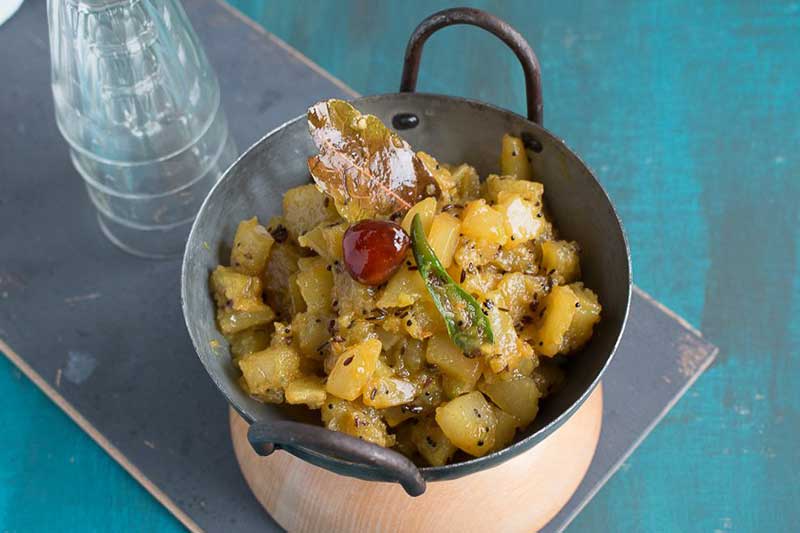
Khar is more than just a dish in Assam. It reflects the traditional knowledge, food habits and cultural identity of Assamese communities. It is commonly prepared with raw papaya, black gram, green gram, cabbage and other vegetables. Some variations also use fish or meat.

In this article, we will explore the origin of khar, its importance in Assamese food culture, its traditional ingredients and a complete recipe for preparing authentic papaya and black gram khar at home.
What Is Khar in Assamese Cuisine?
Khar is both the name of a traditional Assamese cooking ingredient and the name of dishes prepared using that ingredient. The liquid used in cooking is generally called kolakhar. It is alkaline and has a distinctive aroma and taste.
Traditionally, kolakhar is prepared from the ashes of dried peels of bhim kol, a type of banana also known as aathiya kol in Assam. Water is filtered through the ashes to extract the soluble alkaline substances, producing the traditional liquid.
Khar is commonly served with rice, which is the staple food of Assam. Depending on the ingredients used, it can have a smooth, soft or slightly thick texture.
Popular varieties include:
- Amita aru matimahor khar: Khar prepared with raw papaya and black gram.
- Lau khar: Khar prepared with bottle gourd.
- Bandhakobir khar: Khar prepared with cabbage.
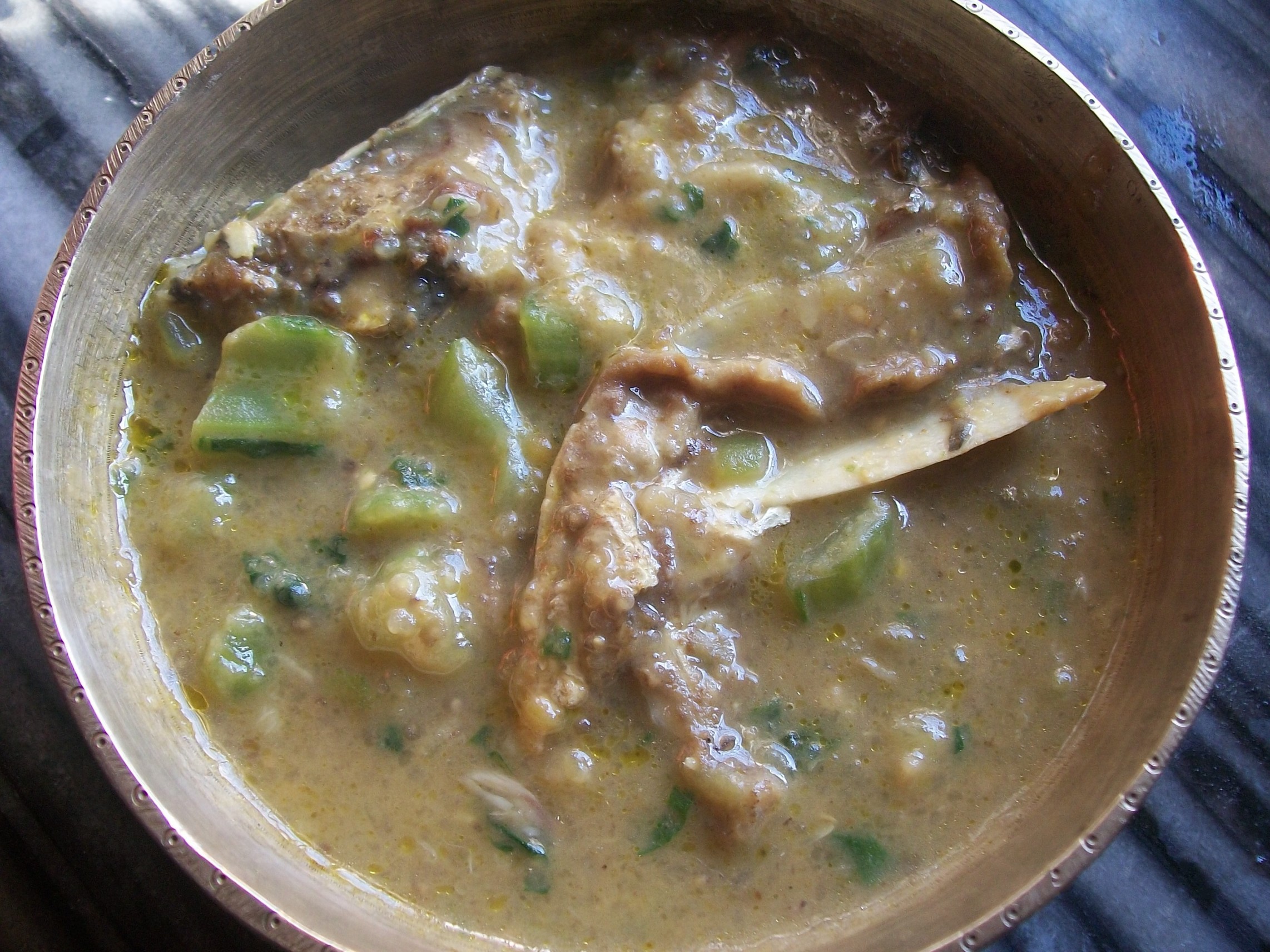
- Maasor khar: A traditional fish preparation using khar.
- Xak aru khar: Khar prepared with leafy greens.
Each variety has its own flavour and texture, making khar an important part of Assam’s traditional food culture.
The History and Cultural Importance of Khar
Khar has a long history in Assamese food traditions. Before common salt became widely available, alkaline ingredients such as khar played an important role in the cooking practices of communities in Assam.
Assam’s geographical location and historical trade connections influenced its traditional food habits. Khar became an important ingredient because it added a distinctive taste to everyday meals.
The preparation of kolakhar also reflects traditional knowledge passed from one generation to another. Families developed their own methods of drying banana peels, collecting ashes and extracting the alkaline liquid.
Khar remains important in Assamese cuisine today. It is served in homes and traditional Assamese restaurants and is often included in meals that showcase the region’s culinary heritage.
Ingredients Required to Make Authentic Khar
One of the popular traditional recipes is Amita aru Matimahor Khar, prepared with raw papaya and black gram.
Ingredients
The following ingredients serve approximately 3–4 people.
| Ingredient | Quantity |
|---|---|
| Black gram (matimah) | 250 grams |
| Raw papaya | 100 grams |
| Traditional kolakhar | 1–2 tablespoons, adjusted to taste |
| Fresh ginger, grated | 1 teaspoon |
| Mustard oil | 2 tablespoons |
| Water | Approximately 2 glasses, plus extra if required |
| Salt | To taste, if needed |
Important: Use food-grade kolakhar prepared hygienically for cooking. Its strength can vary, so start with a small quantity and adjust carefully. Do not use ash or an unverified homemade alkaline extract directly in food.
How to Prepare Authentic Assamese Khar
Follow these steps to prepare traditional papaya and black gram khar.
Step 1: Wash and Soak the Black Gram
Take 250 grams of black gram and wash it thoroughly under clean running water. Soak it for around 6–8 hours or overnight.
Soaking helps soften the beans and reduces their cooking time. After soaking, drain the water and rinse the black gram again.
Step 2: Prepare the Raw Papaya
Peel the raw papaya and remove its seeds. Cut it into small cubes so that it cooks evenly with the black gram.
Wash the pieces properly and keep them aside.
Step 3: Pressure-Cook the Ingredients
Add the soaked black gram and papaya cubes to a pressure cooker. Pour in approximately two glasses of water, adding more if necessary for your cooker and the quantity of ingredients.
Add salt if desired, keeping in mind that the kolakhar will contribute its own strong flavour.
Pressure-cook until the black gram becomes completely soft and the papaya is tender. The cooking time will depend on the type of black gram, soaking time and pressure cooker.
Allow the pressure to release safely before opening the cooker.
Step 4: Heat the Mustard Oil
Place a cooking pan or wok over medium heat. Add two tablespoons of mustard oil and heat it.
Allow the oil to reach the appropriate cooking temperature, but do not let it burn. Mustard oil gives the dish its characteristic aroma and is widely used in traditional Assamese cooking.
Step 5: Add the Grated Ginger
Add one teaspoon of grated ginger to the hot oil.
Stir and fry for approximately 30 seconds until the ginger releases its aroma. Avoid burning it, as burnt ginger can make the dish taste bitter.
Step 6: Add the Cooked Black Gram and Papaya
Carefully transfer the cooked black gram and papaya into the pan with the ginger. Mix the ingredients gently so that the ginger and mustard oil coat them evenly. If the mixture is too thick, add a little hot water to achieve your preferred consistency.
Step 7: Add the Kolakhar
Add one tablespoon of food-grade kolakhar and stir well.
Bring the mixture to a gentle boil. Taste carefully and add a little more kolakhar only if needed. Since kolakhar is alkaline, using too much can overpower the other ingredients and affect the dish’s texture.
Simmer over low heat until the flavours combine and the mixture reaches the desired consistency.
Step 8: Adjust the Taste and Serve
Taste the dish and adjust the seasoning if necessary. Remember that the flavour of khar is different from that of an ordinary curry, so it should not be judged only by its saltiness or spiciness.
Turn off the heat once the papaya and black gram are soft and the flavours have blended.
Serve the khar hot with freshly cooked rice for a traditional Assamese meal.
What Makes the Authentic Taste of Khar Special?
The authentic taste of khar comes from its alkaline ingredient, which gives the dish a distinctive flavour and aroma.
Unlike heavily spiced curries, traditional khar often uses a small number of ingredients. Mustard oil, ginger, vegetables or pulses, and kolakhar work together to create its characteristic taste.
Raw papaya becomes soft during cooking, while black gram adds body and texture. The alkaline liquid influences the final consistency and flavour.
The result is a simple but distinctive dish that represents the traditional cooking practices of Assam.
Nutritional Value of Khar
The nutritional value of khar depends on the ingredients and preparation method.
Black gram provides plant-based protein, dietary fibre and minerals. Raw papaya contributes fibre and other nutrients, while ginger and mustard oil add flavour.
Traditional banana-peel kolakhar contains alkaline mineral compounds, including potassium compounds. However, its exact mineral content can vary depending on how it is produced.
Khar should be enjoyed as part of a balanced diet. Although it has a long history of traditional use, it should not be considered a proven treatment for illnesses. Its alkalinity also means that excessive amounts may irritate the digestive system or disturb the body’s normal acid–base balance.
For safe preparation, use a reliable food-grade product and follow appropriate cooking and storage practices.
Tips for Making Traditional Khar at Home
Keep these tips in mind when preparing khar:
- Soak the black gram properly: This helps it cook evenly and become tender.
- Use fresh raw papaya: Firm, unripe papaya is suitable for this recipe.
- Choose good-quality mustard oil: It contributes to the traditional aroma.
- Add kolakhar gradually: Different preparations can vary in strength.
- Avoid excessive seasoning: The distinctive alkaline flavour should remain noticeable without overpowering the dish.
- Serve with rice: Rice complements the flavour and is the traditional accompaniment.
- Maintain food safety: Use only hygienically prepared, food-grade kolakhar.
The Authentic Taste of Khar and Assamese Food Heritage
The authentic taste of khar reflects the close relationship between Assamese cuisine, local ingredients and traditional knowledge. From the preparation of kolakhar using banana peels to the cooking of papaya and black gram, every step represents a food tradition that has been preserved across generations.
Khar is an example of how a simple ingredient can create a distinctive culinary identity. Its importance goes beyond flavour because it also connects food with Assam’s history, household practices and cultural heritage.
Whether prepared with papaya, black gram, cabbage or other ingredients, khar remains a memorable part of traditional Assamese meals. Preparing it at home offers an opportunity to understand and appreciate the unique flavours of Assam.
FAQs About the Authentic Taste of Khar
1. What is khar in Assamese cuisine?
Khar is a traditional Assamese dish and cooking ingredient known for its alkaline taste. It is commonly prepared using kolakhar, a traditional alkaline liquid made from the ashes of dried banana peels.
2. What is kolakhar made from?
Traditional kolakhar is commonly made from the ashes of dried peels of bhim kol or aathiya kol. Water is filtered through the ashes to extract soluble alkaline compounds.
3. What are the main ingredients of Assamese khar?
The main ingredients depend on the recipe. Papaya and black gram khar typically uses black gram, raw papaya, kolakhar, ginger, mustard oil, water and optional salt.
4. How is authentic Assamese khar served?
Khar is traditionally served hot with freshly cooked rice. It can be prepared with different vegetables, pulses and, in some recipes, fish or meat.
5. Is khar healthy?
Khar dishes can provide nutrients from ingredients such as black gram and vegetables. However, their nutritional value depends on the recipe, and excessive use of alkaline kolakhar should be avoided.