




Tamil Nadu Industrial Projects Get Cabinet Approval

Tamil Nadu Industrial Projects received a major boost on 29 October 2026, when the state Cabinet approved incentives for eight industrial projects worth ₹3,767 crore. These projects are expected to create 4,853 jobs and support industrial growth across several districts. The meeting was chaired by Chief Minister C. Joseph Vijay. Energy and Law Minister C.T.R. Nirmal Kumar briefed the media about the decisions taken by the Cabinet.
The approvals aim to encourage investment, expand industrial activities and create employment opportunities in Tamil Nadu. The projects cover important sectors such as technical textiles, aerospace and defence, life sciences, and electronics. Along with new investments, the Cabinet also approved expansion plans for three companies.

Tamil Nadu Cabinet Approves Eight Industrial Projects
The Tamil Nadu Cabinet approved incentives for eight industrial projects involving a total investment of ₹3,767 crore. These projects are expected to generate 4,853 jobs, providing new employment opportunities for people in the state.
Government incentives can help companies establish new facilities, increase production capacity or expand existing operations. Such support may encourage businesses to invest in the state and strengthen its industrial base.
However, the government did not disclose the names of the companies involved or provide district-wise details of investment and employment. Further information about individual projects may become available through future government announcements.
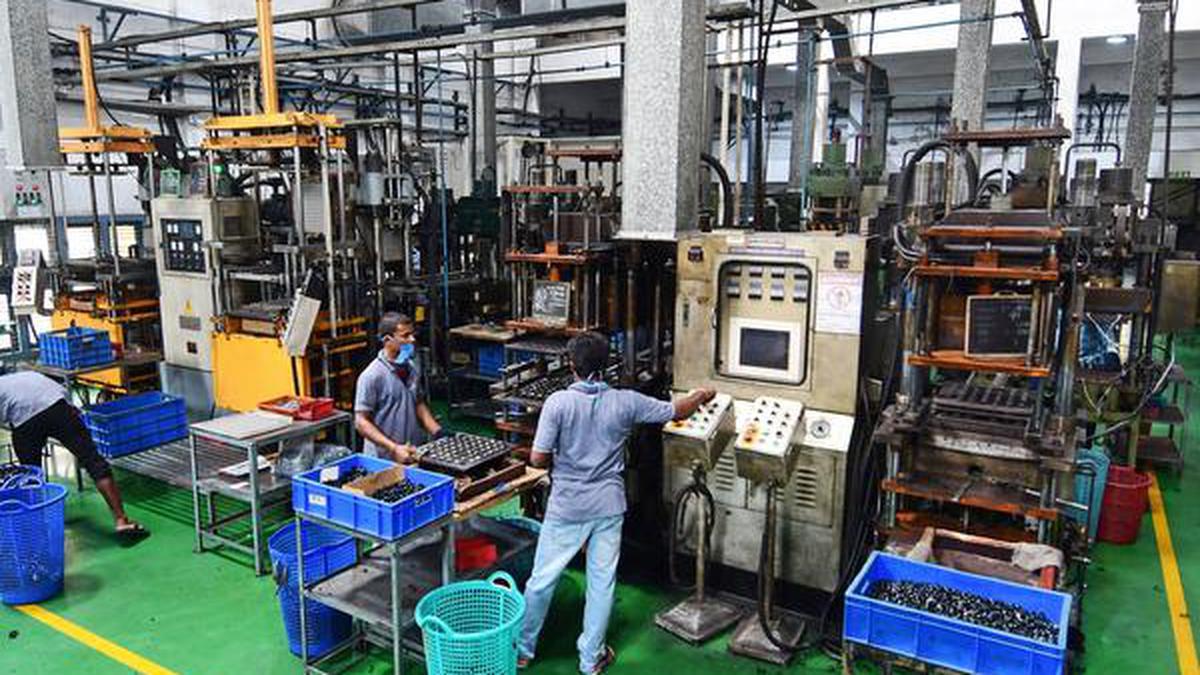
Five Districts to Benefit from Industrial Investment
The approved Tamil Nadu Industrial Projects are planned across five districts: Coimbatore, Krishnagiri, Kanchipuram, Chengalpattu and Erode.
These districts will host projects from different industrial sectors. The spread of investments across multiple locations may help support economic activity beyond a single industrial centre. New and expanded facilities can also create demand for workers, suppliers, transport services and other businesses.
The projects include industries connected with advanced manufacturing and specialised products. Their development could strengthen Tamil Nadu’s position as an important destination for industrial investment.
Key Sectors Covered by the Projects
The eight projects cover four major sectors: technical textiles, aerospace and defence, life sciences, and electronics. These industries play different roles in manufacturing, research and technology.
Technical Textiles
Technical textiles are specially designed fabrics made for specific functions rather than mainly for clothing or home decoration. They may offer properties such as high strength, heat resistance, chemical resistance or protection.
These materials are used in areas such as healthcare, agriculture, construction, transport and industrial safety. For example, some technical textiles are used in protective clothing, medical products and road construction.
Investment in this sector can support the production of specialised materials and create jobs in manufacturing and related services.
Aerospace and Defence
The aerospace and defence sector includes the production of aircraft-related components, equipment and other specialised products. It often requires advanced engineering, precision manufacturing and strict quality standards.
Industrial investment in this field can support local suppliers, skilled employment and the development of manufacturing capabilities. The projects approved by the Tamil Nadu Cabinet add to the state’s efforts to attract investment in advanced industries.
Life Sciences
Life sciences include fields related to living organisms, healthcare and biological research. Industries in this area may work on medical products, biotechnology, laboratory equipment and other health-related technologies.
Investment in life sciences can support research, manufacturing and the development of specialised products. It can also create opportunities for trained workers and technical professionals.
Electronics
The electronics sector includes the production of electronic components, devices and related equipment. It is important for industries such as telecommunications, consumer products, automobiles and computing.
New projects and company expansions can help increase production capacity and strengthen supply chains. The sector also creates employment in manufacturing, testing, engineering and technical services.
Cabinet Approves Expansion Plans for Three Companies
Apart from the eight industrial projects, the Cabinet approved expansion plans for three companies. Business expansion can allow companies to increase production, improve facilities or introduce new activities.
The government did not release the names of these companies or details about their planned investments. It is therefore not yet possible to determine how many additional jobs these expansions may create.
Together, the project incentives and expansion approvals reflect the state’s focus on encouraging businesses to invest and grow within Tamil Nadu.
Tamil Nadu Cabinet Approves Social Justice Survey
The Cabinet also approved a proposal to establish a multi-member commission headed by a retired High Court judge. The commission will be responsible for conducting a state-wide Social Justice Survey.
The survey is intended to collect information that can help the state understand social conditions and support discussions about social justice and public policy. The proposal was an important promise of the Tamilaga Vettri Kazhagam (TVK) ahead of the 2026 Tamil Nadu Assembly election. The Governor’s inaugural address to the State Assembly also referred to the survey.
The commission is expected to be formed by February or March 2027. However, the survey is planned to take place only after the ongoing Census is completed.
How the Social Justice Survey Is Linked to the Census
A Census is an official exercise used to collect information about a country’s population and related characteristics. In India, census administration is handled by the Registrar General and Census Commissioner under the Union Ministry of Home Affairs.
The state government’s decision to conduct the Social Justice Survey after the Census means that the two exercises are expected to take place in sequence. The proposed commission will be responsible for organising the state-wide survey according to the government’s plan.
The commission’s formation and the completion of the Census are important steps before the survey can begin. Further details about its methods, schedule and the information it will collect have not yet been announced.
Why These Cabinet Decisions Matter
The two major decisions address different areas of state development. The industrial incentives are aimed at attracting investment and creating employment, while the proposed Social Justice Survey is intended to gather information relevant to public policy.
The ₹3,767 crore investment across eight industrial projects is expected to create 4,853 jobs. The projects will cover five districts and four sectors, including technical textiles, aerospace and defence, life sciences, and electronics. Meanwhile, the proposed commission will prepare for a state-wide survey after the Census is completed.
These decisions highlight the Tamil Nadu government’s current priorities in industrial development, employment generation and social policy.