


Masor Tenga: The Authentic Taste of Assam

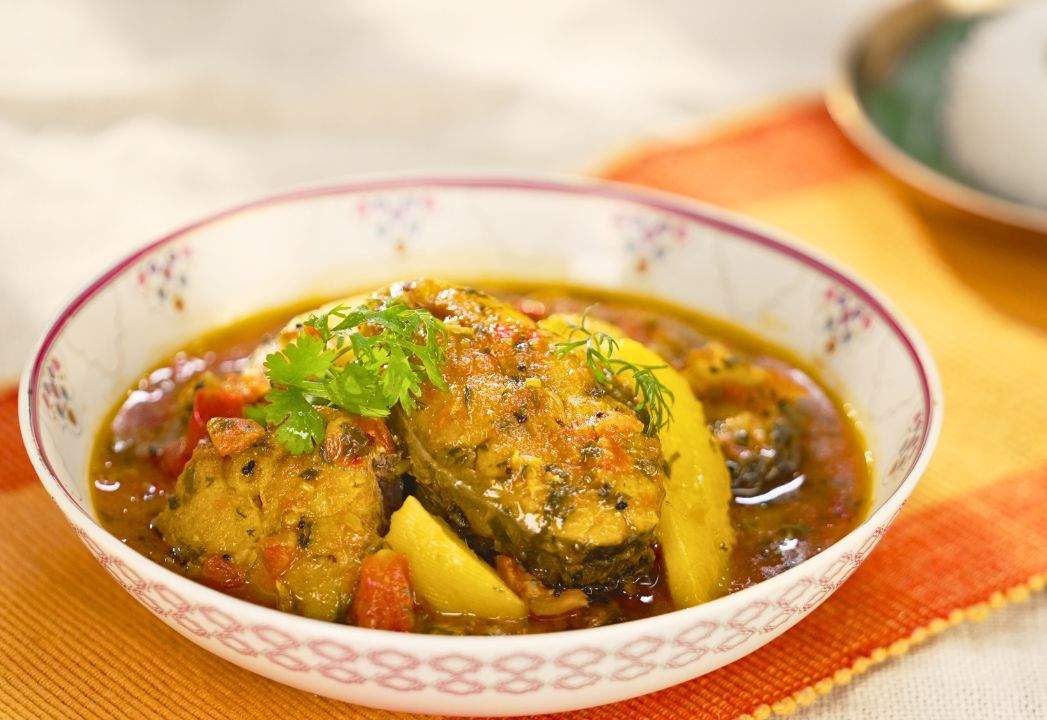
Masor Tenga is one of the most popular traditional dishes of Assam. It is a delicious Assamese fish curry known for its light gravy and refreshing sour taste. The word Masor means fish, while Tenga means sour in Assamese. As the name suggests, this dish combines fresh fish with naturally sour ingredients to create a unique flavour.
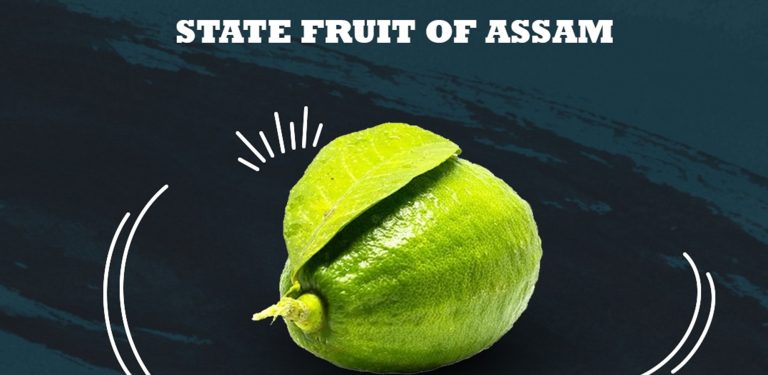
Unlike many Indian fish curries that use thick gravies and a variety of spices, Masor Tenga is prepared with less oil and simple ingredients. Tomatoes, elephant apple (outenga), lemon, raw mango, and thekera are some of the ingredients used to give the curry its characteristic tangy taste.

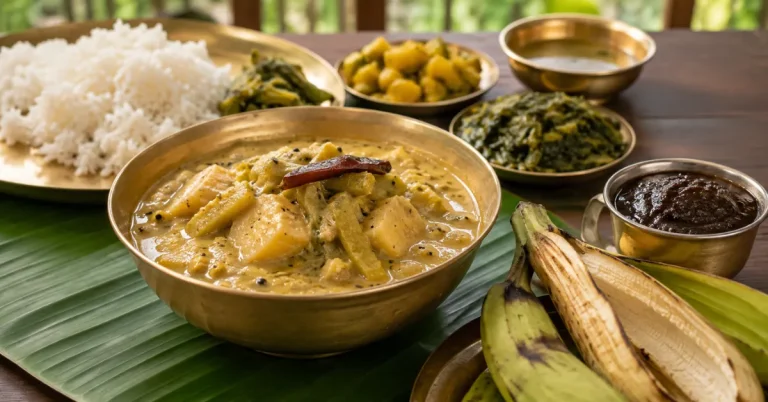
This traditional dish is commonly prepared in Assamese households and is usually served with steamed rice. It reflects the simple cooking style of Assam, where fresh local ingredients are used to create delicious meals. Whether you are familiar with Assamese cuisine or trying it for the first time, Masor Tenga is a wonderful dish to experience the authentic taste of Assam.
What Makes Masor Tenga Special?
Masor Tenga is special because of its balance of sourness, freshness, and mild spices. The curry does not depend on heavy masalas or thick gravy. Instead, its flavour comes from freshwater fish, sour fruits or vegetables, mustard oil, and a few basic spices.
Rohu is one of the most commonly used fish varieties for this recipe. However, other freshwater fish can also be used according to availability and personal preference.
Another important feature of Masor Tenga is its variety. Different Assamese households prepare this dish using different souring ingredients. Some prefer tomatoes, while others use outenga, a traditional Assamese fruit known for its distinctive sour flavour. Raw mango and thekera are also used in certain regional variations.
This flexibility makes Masor Tenga an important part of Assamese food culture.
Ingredients for Masor Tenga
The following recipe serves four people and takes approximately 40 minutes to prepare and cook.
Preparation time: 15 minutes
Cooking time: 25 minutes
Total time: 40 minutes
Servings: 4 people
Main Ingredients
- 500 grams of rohu fish or another freshwater fish
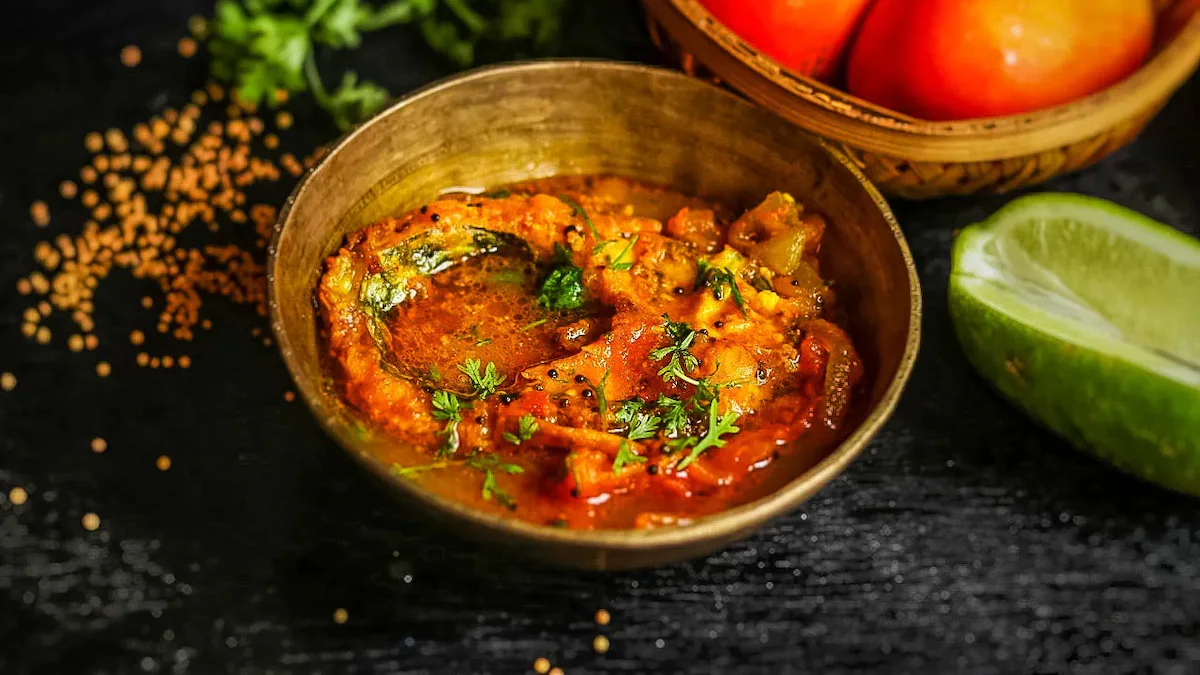
- 1 medium-sized tomato, chopped
- 2–3 pieces of elephant apple (outenga), or extra tomato
- 2 tablespoons of mustard oil
- 1/2 teaspoon of turmeric powder for marinating the fish
- 1/2 teaspoon of turmeric powder for the curry
- 1/2 teaspoon of fenugreek seeds
- 1 teaspoon of panch phoron or a mixture of mustard and cumin seeds
- 1 green chilli, slit lengthwise
- Salt to taste
- Water as required
- Fresh coriander leaves, chopped, for garnishing
If elephant apple is unavailable, tomatoes can be used as the main souring ingredient. A little lemon juice may also be added towards the end of cooking to adjust the sourness.
How to Prepare Masor Tenga: Step-by-Step Recipe
Step 1: Clean and Marinate the Fish
First, clean the fish pieces properly with water and allow the excess water to drain. Take the fish in a bowl and add half a teaspoon of turmeric powder and salt to taste.
Mix the ingredients gently so that the fish pieces are coated evenly. Leave the fish to rest for about 10 minutes. This simple marination adds flavour and prepares the fish for frying.
Rohu is a popular choice because it has a pleasant taste and works well in a light, tangy curry.
Step 2: Lightly Fry the Fish
Heat two tablespoons of mustard oil in a pan. When the oil is hot, carefully place the marinated fish pieces in the pan.
Fry the fish lightly on both sides until the surface turns golden. The fish does not need to be deeply fried because it will finish cooking in the sour gravy.
Remove the fish pieces from the pan and keep them aside. Use the remaining oil to prepare the curry. If necessary, adjust the amount of oil according to your preference.
Step 3: Prepare the Spices
In the same pan, add the fenugreek seeds and panch phoron. Allow them to crackle gently in the hot oil.
These spices provide a pleasant aroma to the curry. However, avoid adding too many spices because Masor Tenga is traditionally known for its simple flavour.
Make sure the spices do not burn, as burnt fenugreek seeds can make the curry taste bitter.
Step 4: Add the Tomato and Outenga
Add the chopped tomato and pieces of elephant apple to the pan. Cook them over medium heat until the tomato softens and begins to break down.
The tomato provides a familiar tangy flavour, while outenga adds a distinctive sourness associated with Assamese cooking.
If you do not have elephant apple, you can prepare the curry with tomatoes alone. Many households use this version throughout the year.
Step 5: Prepare the Tangy Gravy
Add half a teaspoon of turmeric powder and mix gently. Pour in enough water to create a light, soup-like gravy.
Allow the mixture to simmer until the tomato and outenga soften and release their flavours into the water. This step is important because the sour ingredients need enough time to blend with the spices.
Add salt according to your taste. You can also add the slit green chilli for a mild heat.
The gravy should remain light rather than thick. If the curry becomes too sour, add a little more water and adjust the seasoning.
Step 6: Add the Fried Fish
Carefully place the lightly fried fish pieces into the simmering gravy.
Cook over low to medium heat for about five to seven minutes, or until the fish is completely cooked. Avoid stirring vigorously because the fish pieces may break apart.
Instead, gently move the pan when necessary to distribute the gravy around the fish.
If you are using lemon juice to increase the sourness, add a small amount near the end of cooking. Taste the curry before adding more.
Step 7: Garnish and Serve
Once the fish is cooked and the flavours have blended, turn off the heat.
Garnish the curry with freshly chopped coriander leaves if desired. Serve the Masor Tenga hot with steamed rice.
The combination of soft fish, light gravy, and tangy flavour makes it a comforting meal for lunch or dinner.
Different Types of Masor Tenga
One of the best things about Masor Tenga is that its flavour changes according to the souring ingredient used.
1. Tomato Masor Tenga
Tomato Masor Tenga is a common household version. It uses ripe tomatoes to create a mildly sour gravy. It is easy to prepare because tomatoes are widely available throughout the year.
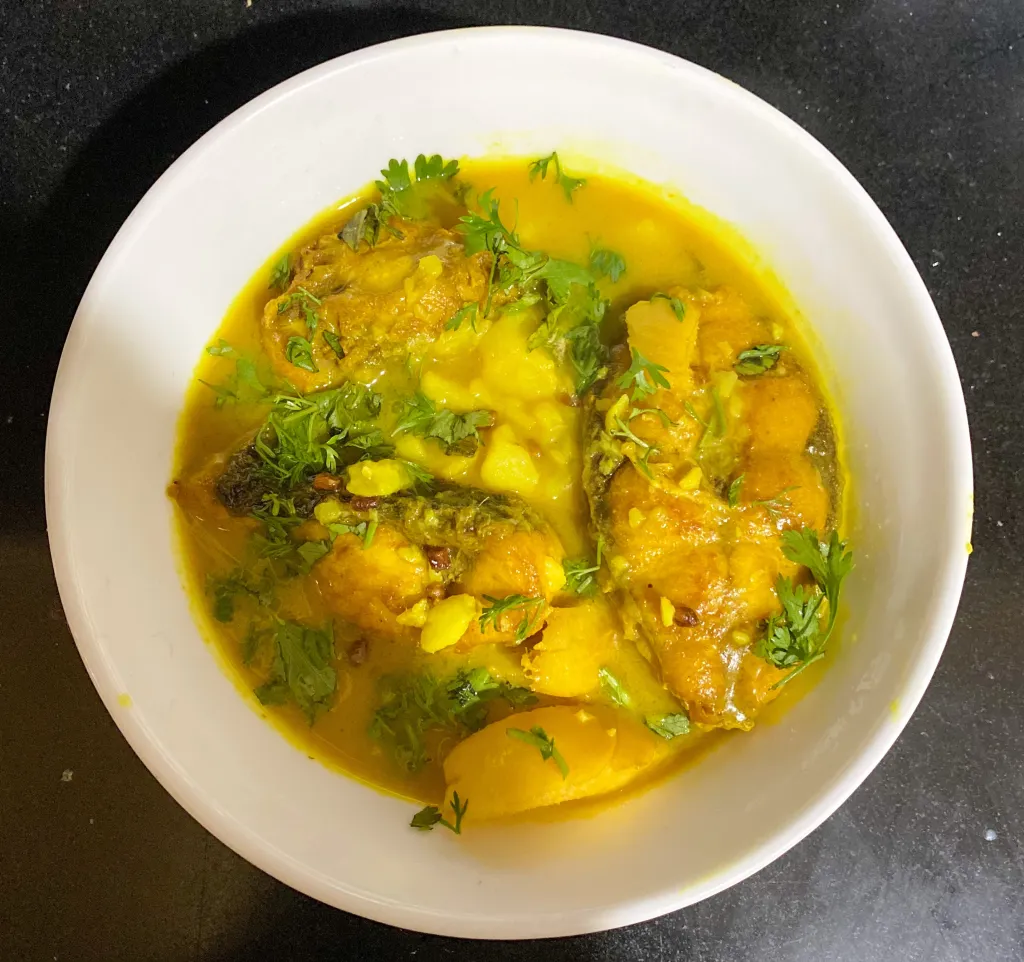
2. Outenga Masor Tenga
Outenga Masor Tenga uses elephant apple, a traditional sour fruit found in Assam and other parts of Northeast India. It gives the curry a distinctive flavour and is especially appreciated by people who enjoy traditional Assamese dishes.
3. Thekera Masor Tenga
Thekera is another souring ingredient used in Assamese cooking. Depending on the preparation, it can provide a refreshing tang to the fish curry.
4. Raw Mango Masor Tenga
Raw mango can also be used to prepare a tangy fish curry. Its sourness gives the gravy a fresh taste, making it a useful alternative when other ingredients are unavailable.
Each version has its own flavour, but the basic cooking method remains similar.
Health Benefits of Masor Tenga
Masor Tenga can be part of a balanced diet when prepared with suitable ingredients and moderate amounts of oil.
1. Provides Protein: Freshwater fish such as rohu provides protein, which supports muscle maintenance and the normal growth and repair of body tissues.
2. Uses Less Oil: Compared with many rich fish curries, Masor Tenga generally uses a modest amount of oil. This can help reduce the amount of added fat in the meal.
3. Includes Vegetables and Fruits: Tomatoes and other souring ingredients contribute flavour and may provide vitamins and other nutrients.
4. Makes a Balanced Meal: When served with rice and suitable vegetable dishes, Masor Tenga can form part of a balanced meal.
The nutritional value depends on the type of fish, quantity of oil, serving size, and other ingredients. Although the dish can be a nutritious choice, its health benefits also depend on the overall diet.
Tips for Making Authentic Masor Tenga
- Use fresh fish for the best flavour.
- Prefer mustard oil for a traditional Assamese taste.
- Do not over-fry the fish; light frying is enough.
- Allow the souring ingredients to soften before adding the fish.
- Keep the gravy light instead of making it thick.
- Use spices in moderation so that the sour flavour remains prominent.
- Avoid vigorous stirring after adding the fish.
- Adjust the sourness according to the ingredient used and your personal preference.
- Serve the curry freshly prepared with steamed rice.
Frequently Asked Questions (FAQs)
1. What is Masor Tenga?
Masor Tenga is a traditional Assamese fish curry known for its light gravy and sour taste. It is usually prepared with freshwater fish, tomatoes or other souring ingredients, mustard oil, and a few spices.
2. What does Masor Tenga mean in Assamese?
In Assamese, Masor means fish and Tenga means sour. Together, the words describe a sour fish curry.
3. Which fish is best for Masor Tenga?
Rohu is a popular choice for Masor Tenga. Other suitable freshwater fish can also be used, depending on availability and personal preference.
4. Which ingredient makes Masor Tenga sour?
Tomatoes, elephant apple (outenga), thekera, raw mango, and lemon are some ingredients that can give Masor Tenga its sour flavour.
5. Can I make Masor Tenga without outenga?
Yes. You can prepare Masor Tenga with tomatoes alone. If you prefer a stronger sour taste, add a little lemon juice towards the end of cooking.
6. How long does it take to prepare Masor Tenga?
The recipe takes approximately 15 minutes of preparation and 25 minutes of cooking, making the total time around 40 minutes.
7. Is Masor Tenga spicy?
Masor Tenga is generally mild in spice. Its main flavour comes from sour ingredients rather than chilli heat. You can adjust the green chilli according to your preference.
8. What should I serve with Masor Tenga?
Steamed rice is the traditional accompaniment. You can also serve it with other simple Assamese dishes and seasonal vegetables.
9. Is Masor Tenga healthy?
Masor Tenga can be a nutritious meal because fish provides protein and the recipe generally uses relatively little oil. Its nutritional value depends on the ingredients, cooking method, and serving size.
10. Can I use lemon instead of elephant apple?
Yes. Lemon juice can be used to adjust the sourness when elephant apple is unavailable. Add a small amount near the end of cooking and taste before adding more.
11. Why should the fish be added after preparing the gravy?
Preparing the gravy first allows the souring ingredients and spices to release their flavours. Adding the fish afterwards helps it cook gently in the gravy and reduces the chance of the pieces breaking apart.
12. What makes Masor Tenga different from other Indian fish curries?
Masor Tenga is known for its light, tangy broth, modest use of oil, and simple seasoning. Many other regional fish curries use thicker gravies or stronger spice mixtures.
13. Can I prepare Masor Tenga with raw mango?
Yes. Raw mango can be used as a souring ingredient. Adjust the quantity according to how sour the mango is and your preferred taste.
14. Can I prepare Masor Tenga without frying the fish?
Yes. Some variations use fish without frying it first. However, cooking time and texture may differ, so ensure the fish is thoroughly cooked before serving.
15. Why is Masor Tenga important in Assamese cuisine?
Masor Tenga is an important traditional dish because it represents the use of fresh fish, seasonal sour fruits, and simple cooking methods in Assamese households. It is widely enjoyed as part of everyday meals.
A Taste of Traditional Assamese Cooking
Masor Tenga is more than a simple fish curry. It represents the traditional Assamese preference for fresh ingredients, balanced flavours, and light everyday meals. Its refreshing sourness, delicate fish, and simple preparation make it a memorable part of Assam’s food culture.
Whether prepared with ripe tomatoes, seasonal outenga, raw mango, or thekera, Masor Tenga offers different ways to enjoy the same traditional style of cooking. Serve it with a plate of steamed rice to experience a familiar and comforting Assamese meal.