

Masor Petu Bhaja: Traditional Assamese Fish Intestine Fry Recipe

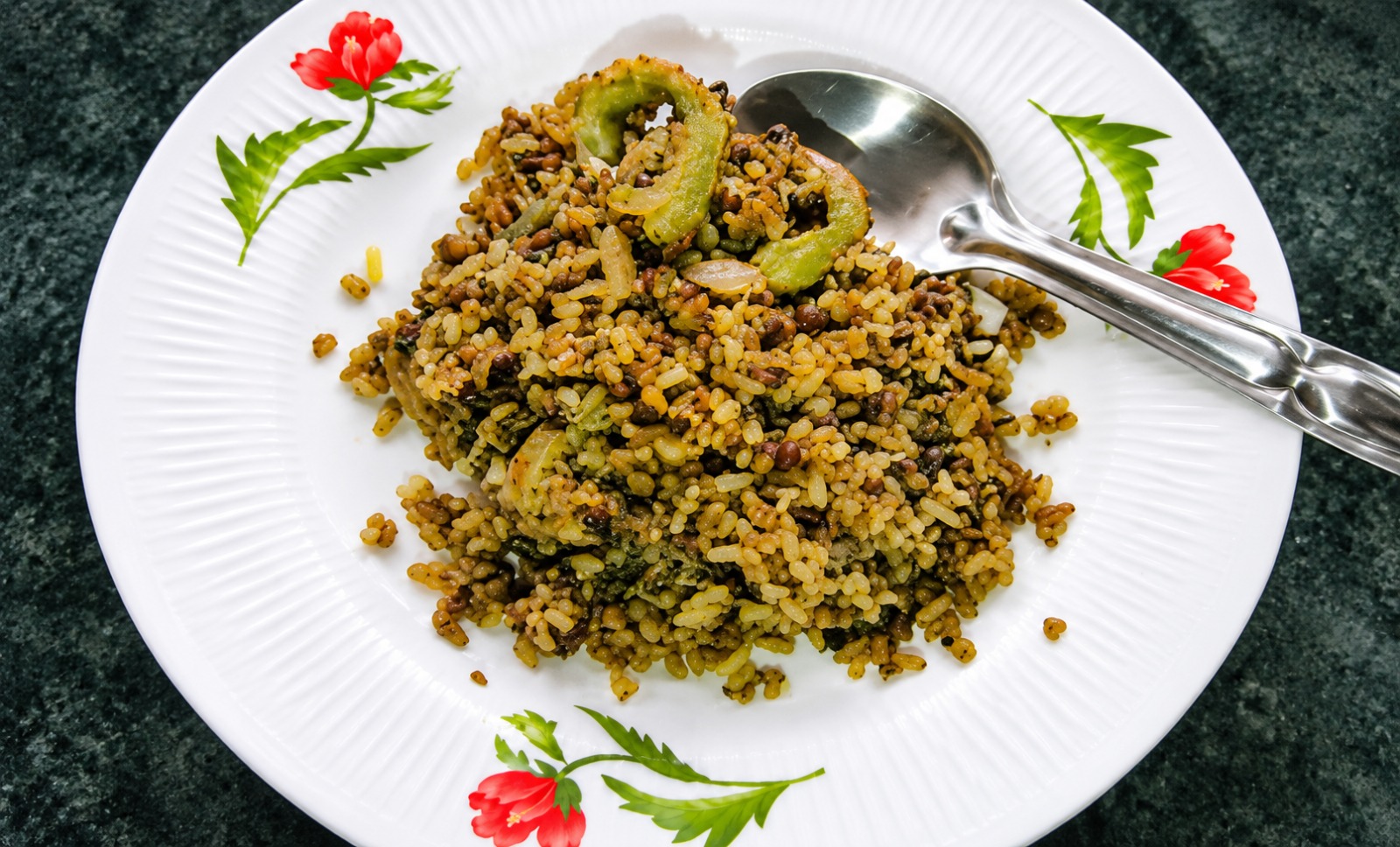
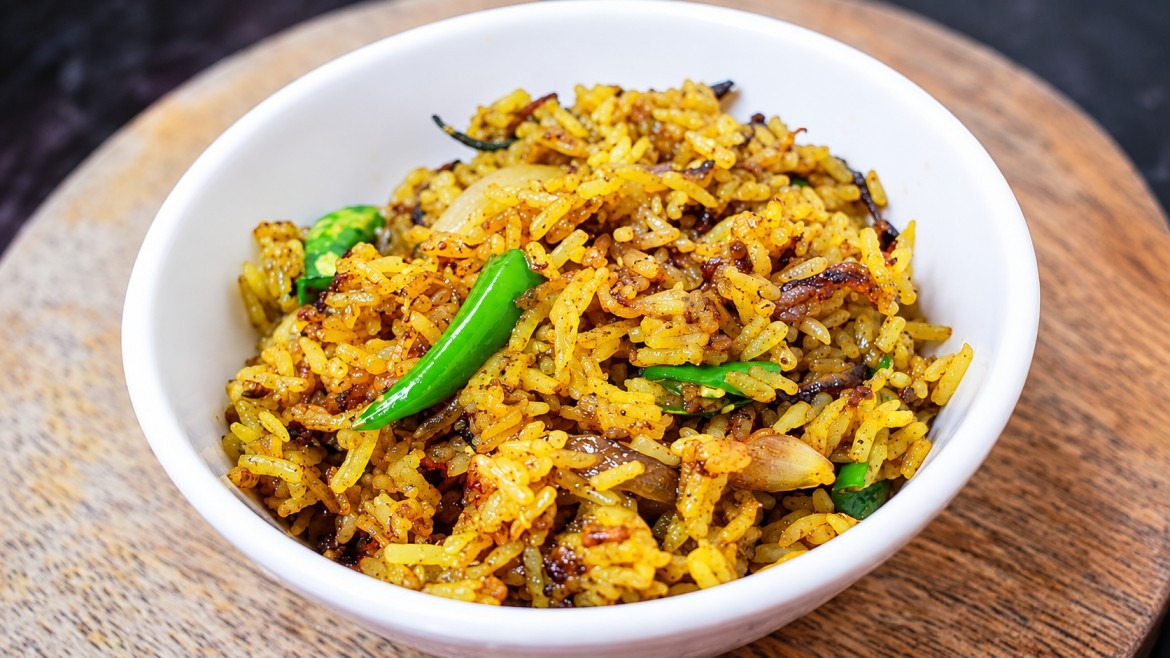
Masor Petu Bhaja is a traditional Assamese fish delicacy prepared using the cleaned intestines of Rohu (Rahu) or other large freshwater fish. It is a simple homemade dish that is loved by many Assamese people for its unique taste, rich flavour and traditional cooking style. Prepared with mustard oil, onion, green chilli, turmeric and salt, this recipe does not require many ingredients. A small amount of cooked rice is also added towards the end of cooking to give the dish a special texture and taste.
In Assamese households, different parts of fish are used to prepare delicious traditional dishes. While fish curry is popular in everyday meals, recipes like Masor Petu Bhaja hold a special place among people who enjoy authentic Assamese food. The dish is usually served hot with steamed rice, dal and other homemade side dishes.

What Is Masor Petu Bhaja?
Masor Petu Bhaja is an Assamese-style fried fish intestine dish. The word Masor means fish, Petu refers to the intestine, and Bhaja means fried. It is commonly prepared using the intestines of Rohu fish, locally known as Rahu, although other large freshwater fish can also be used.
The main attraction of this recipe is its simple preparation. Unlike many other fish dishes, it does not require a lot of spices or gravy. Mustard oil gives it a traditional Assamese flavour, while onion and green chilli add aroma and mild spiciness. Turmeric gives the dish a natural yellow colour.
One important step in preparing this recipe is cleaning the fish intestines properly. The bile duct must be removed carefully without breaking it because the bile can make the entire dish bitter. Once cleaned and washed properly, the intestines are ready to cook.
Ingredients for Masor Petu Bhaja
The following ingredients are required to prepare traditional Assamese Masor Petu Bhaja at home.
| Ingredients | Quantity |
|---|---|
| Fish intestines (Rohu or other large fish) | 1 portion |
| Onion | 1 medium-sized |
| Green chilli | 1 |
| Fresh coriander leaves | 1 small handful (optional) |
| Turmeric powder | 1 teaspoon |
| Salt | As required |
| Mustard oil | 1 tablespoon |
| Cooked rice | 1 small bowl |
Preparation time: 15–20 minutes, depending on cleaning
Cooking time: 15–20 minutes or until thoroughly cooked
Cuisine: Assamese
Dish type: Traditional fish fry
How to Prepare Masor Petu Bhaja
Preparing Masor Petu Bhaja is easy, but cleaning the fish intestines properly is the most important part of the recipe. Follow these steps to prepare a delicious and authentic Assamese-style dish.
Step 1: Clean the Fish Intestines Properly
Take fresh intestines from a Rohu fish or another large freshwater fish. Remove all unwanted dirt and waste carefully. Identify and remove the bile duct without tearing or squeezing it. This is very important because bile can make the intestines extremely bitter.
Wash the intestines thoroughly under clean running water until they are properly cleaned. Drain the excess water before cooking. For better food safety, keep the cleaned intestines refrigerated until you are ready to cook them.
Step 2: Prepare the Vegetables and Other Ingredients
Take one medium-sized onion and chop it lengthwise into thin slices. Slit one green chilli lengthwise to release its flavour during cooking. Wash and finely chop fresh coriander leaves if you want to use them for extra aroma.
Keep one teaspoon of turmeric powder, salt, one tablespoon of mustard oil and a small bowl of cooked rice ready. Preparing everything before cooking makes the process easier.
Step 3: Heat Mustard Oil
Place a frying pan or kadai on medium heat. Add one tablespoon of mustard oil and allow it to heat properly. Mustard oil is an important ingredient in Assamese cooking because it gives traditional dishes a strong and distinctive flavour.
Once the oil is hot, carefully add the cleaned fish intestines, sliced onion and slit green chilli. Stir gently so that all the ingredients are mixed properly with the oil.
Step 4: Add Turmeric and Salt
Now add one teaspoon of turmeric powder and salt according to your taste. Mix everything well so that the turmeric and salt coat the fish intestines evenly.
Cook the mixture over moderate heat. Cover the pan with a lid and allow the ingredients to cook slowly. Do not add water to this recipe. The fish intestines and onions will release some moisture during cooking, which helps the ingredients cook together.
Step 5: Cook Until the Fish Intestines Are Done
Remove the lid occasionally and stir the mixture gently. Make sure the ingredients do not stick to the bottom of the pan. Continue cooking over moderate heat until the fish intestines are thoroughly cooked.
Proper cooking is essential for food safety. Do not taste the dish while the intestines are still raw or partially cooked. If needed, adjust the heat and continue cooking until fully done.
Step 6: Add Cooked Rice
Once the fish intestines are thoroughly cooked, add one small bowl of cooked rice to the pan. Mix everything gently so that the rice combines evenly with the cooked intestines, onion and spices.
Fry for a few more minutes. The rice absorbs some of the flavour from the mustard oil and other ingredients, making the dish more delicious. Continue stirring carefully to prevent the rice from sticking or burning.
Step 7: Add Fresh Coriander and Serve
Finally, add finely chopped fresh coriander leaves if desired. Stir everything for another minute and turn off the heat.
Your traditional Assamese Masor Petu Bhaja is now ready to serve. Transfer it to a serving plate and enjoy it hot with steamed rice, dal or your favourite Assamese homemade dishes.
Tips for Making Delicious Masor Petu Bhaja
A few simple tips can help you prepare this traditional recipe with better flavour and texture.
- Clean carefully: Remove all unwanted material and the bile duct without breaking it. This prevents bitterness.
- Use fresh fish intestines: Fresh ingredients are important for better taste and food safety.
- Choose mustard oil: Mustard oil provides the authentic flavour associated with Assamese cooking.
- Avoid adding water: This recipe is traditionally prepared without adding water. Allow the ingredients to cook in their own moisture.
- Cook properly: Fish intestines must be cooked thoroughly before serving.
- Add rice at the end: Adding cooked rice after the intestines are fully cooked helps it absorb the flavours.
- Use fresh coriander: Coriander is optional, but it adds a fresh aroma to the finished dish.
How to Serve Masor Petu Bhaja
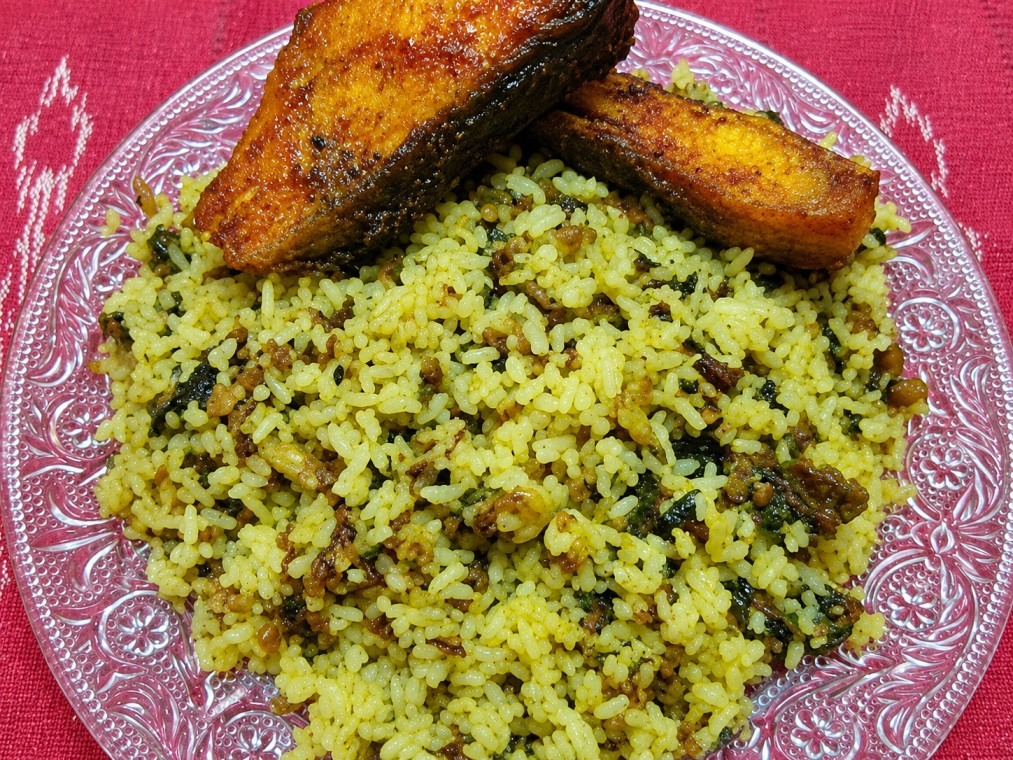
Masor Petu Bhaja tastes best when served hot with freshly prepared steamed rice. In many Assamese households, it is enjoyed as a side dish alongside a traditional lunch or dinner.
You can serve it with plain rice, dal, mashed potatoes (Aloo Pitika), green vegetables or a simple vegetable curry. The combination of mustard oil, onion, green chilli and fish flavours makes it a satisfying addition to a traditional Assamese meal.
Traditional Importance of Masor Petu Bhaja in Assamese Cuisine
Assamese cuisine is known for its simple cooking methods and the use of fresh local ingredients. Fish is an important part of traditional Assamese food because rivers, ponds and wetlands provide many varieties of freshwater fish.
Masor Petu Bhaja represents the traditional practice of using different edible parts of fish instead of wasting them. It is prepared with a few everyday ingredients and does not depend on complicated spices or cooking techniques.
The use of mustard oil, turmeric, onion and green chilli reflects the everyday cooking style found in many Assamese homes. Although it may not be as widely known as Masor Tenga or Patot Diya Maas, this dish is appreciated by people who enjoy traditional fish preparations.
Every household may have a slightly different way of preparing it. Some people prefer adding coriander leaves, while others enjoy the dish with only onion, chilli, turmeric and mustard oil. The addition of cooked rice also gives this particular preparation its special character.
Frequently Asked Questions (FAQs)
1. What is Masor Petu Bhaja?
Masor Petu Bhaja is a traditional Assamese dish prepared using the cleaned intestines of Rohu or other large freshwater fish. It is cooked with mustard oil, onion, green chilli, turmeric and salt.
2. Which fish is best for preparing Masor Petu Bhaja?
Rohu fish, locally known as Rahu, is commonly used for this recipe. However, the intestines of other suitable large freshwater fish can also be used.
3. How do you clean fish intestines for Masor Petu Bhaja?
Remove unwanted dirt and waste carefully. The bile duct must be removed without breaking it because bile can make the dish bitter. Wash the intestines thoroughly under clean running water before cooking.
4. Why should we not break the bile duct while cleaning fish intestines?
The bile duct contains bitter bile. If it breaks and spreads over the intestines, it can make the entire dish unpleasantly bitter.
5. Is water required to prepare Masor Petu Bhaja?
No. Traditional Masor Petu Bhaja is prepared without adding water. The ingredients are cooked over moderate heat using the moisture released naturally during cooking.