

Paro Mankho: Traditional Assamese Curry

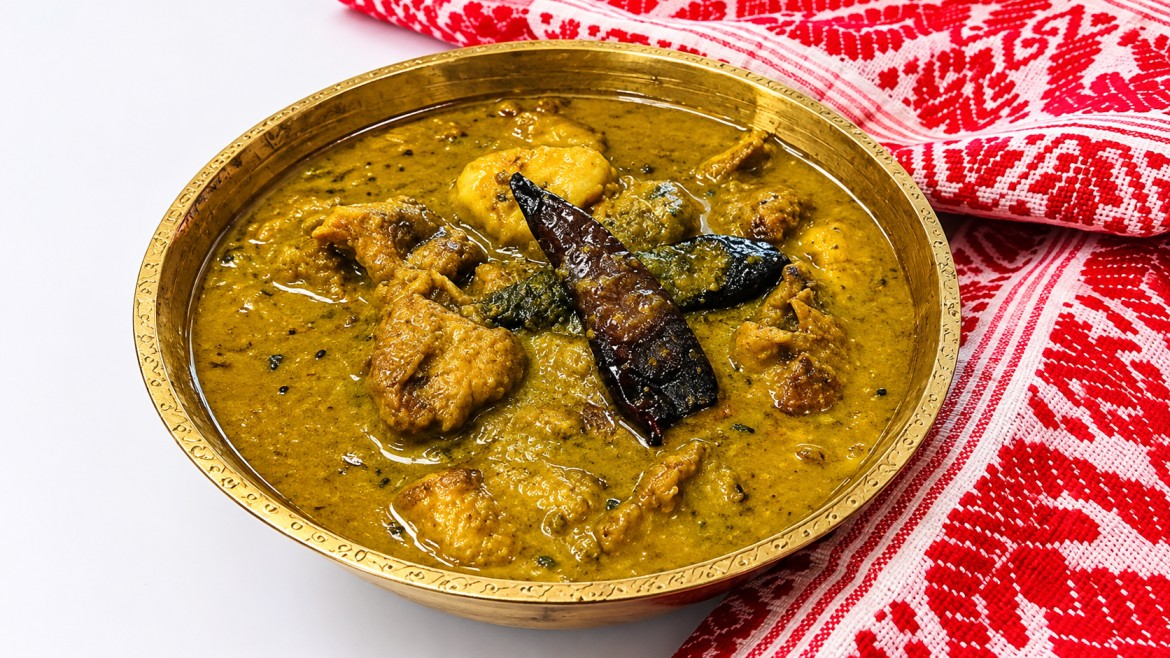
Paro Mankho is a traditional Assamese pigeon meat curry known for its rich flavour, peppery gravy and warming spices. It is also called Paro Mankhxo Jalukia in some Assamese households. This special dish is prepared with pigeon meat, black pepper, mustard oil, ginger, garlic, green chillies and a few aromatic spices. It is especially enjoyed during the colder months when families prefer warm and flavourful meals.
Assamese cuisine is famous for its use of fresh local ingredients and simple cooking methods. Many traditional dishes use ingredients such as mustard oil, ginger, garlic, black pepper and green chillies to create a strong aroma and delicious taste. Paro Mankho is one such preparation. Instead of using a complicated spice mixture, this curry allows the natural flavour of pigeon meat to stand out.

Pigeon meat is relatively small in quantity and contains bones, so it is commonly cut into pieces at the joints before cooking. The meat is first marinated with salt, turmeric and mustard oil. It is then slowly cooked with onions, freshly pounded ginger and garlic, and plenty of black pepper. Potatoes can also be added to make the gravy more filling.
The main attraction of Paro Mankho is its peppery taste. Freshly crushed black pepper gives the curry a strong aroma and mild heat. It is a wonderful dish to serve with hot steamed rice, particularly during winter lunches and family meals.
The Traditional Taste of Paro Mankho
Paro Mankho holds a special place in the food traditions of many Assamese households. Pigeon meat has a distinctive flavour, and slow cooking helps it become tender while allowing it to absorb the spices.
The word Paro refers to pigeon, while Mankho means meat. The addition of Jalukia highlights the use of pepper in the preparation. Black pepper is the key ingredient that gives this curry its characteristic flavour.
Unlike some rich meat curries that depend on many powdered spices, this Assamese preparation uses a few basic ingredients. Mustard oil provides a traditional aroma, onions create the base of the gravy, and ginger and garlic add depth. Bay leaves, cardamom and cloves give the curry a pleasant fragrance.
The amount of black pepper can be adjusted according to personal taste. Some families prefer a strong pepper flavour, while others use fewer peppercorns for a milder curry.
Ingredients for Paro Mankho
The following ingredients are suitable for approximately four servings.
Main Ingredients
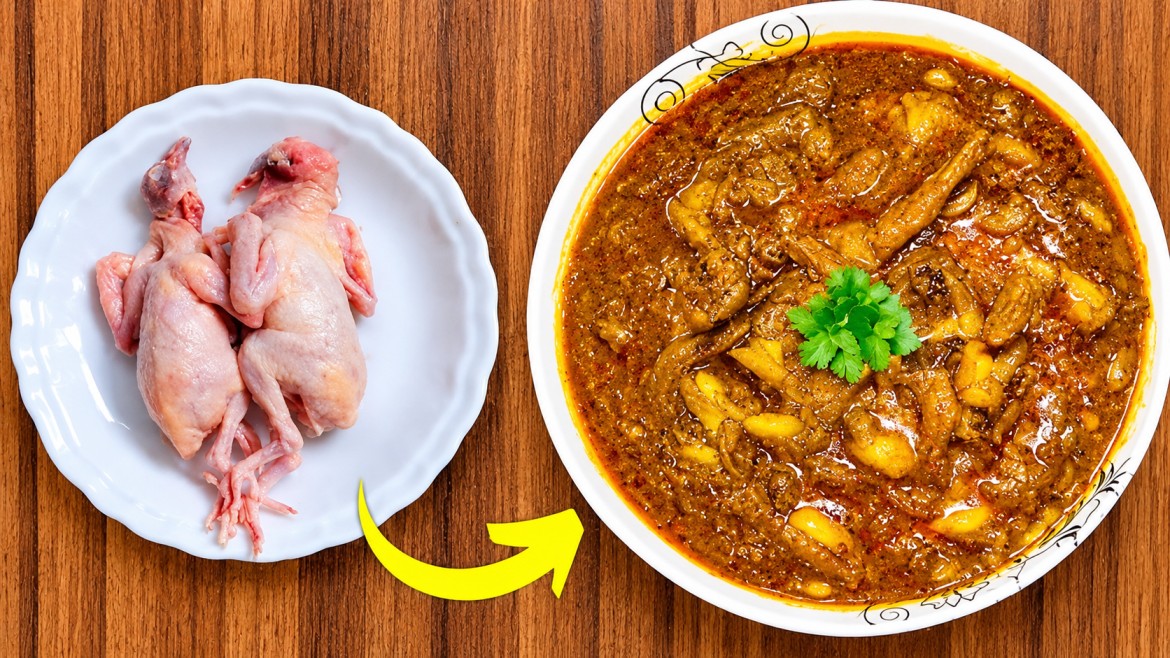
- Pigeon meat – 750 grams, cleaned and cut into pieces
- Potatoes – 2 medium-sized, cut into small cubes (optional)
- Onion – 1 large, finely chopped
- Ginger – 1 tablespoon, freshly pounded
- Garlic – 1 tablespoon, freshly pounded
- Black peppercorns – 2 tablespoons, freshly crushed
- Green chillies – 3 to 4, according to taste
- Turmeric powder – ½ teaspoon
- Salt – as required
- Mustard oil – 4 to 5 tablespoons
- Water – 2 to 3 cups, as required
Whole and Aromatic Spices
- Bay leaves – 2
- Green cardamom – 2
- Cloves – 3 to 4
- Additional crushed black pepper – ½ teaspoon for final seasoning
Freshly crushed black pepper is recommended because it gives the curry a stronger aroma than ready-made pepper powder. You can adjust the quantity depending on how spicy you want the gravy to be.
Preparation Before Cooking
Begin by cleaning the pigeon meat properly. Remove any unwanted parts and wash the meat thoroughly under clean running water. Cut it into pieces around the joints so that the meat cooks more evenly. Drain the excess water and pat the pieces dry with a clean kitchen towel.
Place the meat in a large bowl. Add turmeric powder, salt and one tablespoon of mustard oil. Mix everything gently so that the seasoning coats all the pieces. Allow the meat to marinate for around 20 to 30 minutes.
Next, finely chop one large onion. Pound the ginger and garlic together until they form a coarse paste. Crush the black peppercorns using a mortar and pestle or a spice grinder. Keep the green chillies ready. If you are using potatoes, peel them and cut them into small cubes.
Finally, lightly crush the cardamom and cloves into a fine powder. These spices will be added towards the end of cooking to give the curry a pleasant aroma.
How to Cook Paro Mankho
Step 1: Heat the Mustard Oil
Place a heavy-bottomed kadai or wok on medium heat. Add mustard oil and allow it to become hot. If the oil has a strong raw smell, heat it carefully until the smell reduces, without allowing it to smoke excessively.
Add the chopped onions and fry them until they become soft and lightly golden. Stir occasionally so that the onions cook evenly and do not burn. The fried onions create the flavourful base of Paro Mankho.
Step 2: Add Bay Leaves, Ginger and Garlic
Add the bay leaves to the fried onions. Then add the freshly pounded ginger and garlic paste. Mix everything well and cook for two to three minutes.
Continue frying until the raw smell of ginger and garlic disappears and the mixture releases a pleasant aroma. Avoid cooking the paste over very high heat, as it can burn quickly and affect the taste of the curry.
Step 3: Add the Marinated Pigeon Meat
Add the marinated pigeon meat to the kadai. Mix the pieces with the onion and ginger-garlic mixture so that they are coated properly.
Add the crushed black peppercorns and a little more salt if required. Stir gently and cook for a few minutes. The meat will begin releasing its natural juices as it heats.
Cover the kadai with a lid and cook over medium-low heat. Check the meat regularly and stir gently to prevent it from sticking to the bottom. If the mixture becomes too dry, add a small amount of water.
Step 4: Add Green Chillies and Allow the Meat to Cook
Add the slit green chillies while the meat is cooking. They provide additional heat and a fresh aroma to the curry.
Continue cooking with the lid covered. Pigeon meat can take longer to become tender, depending on the age of the bird and the size of the pieces. Add water gradually whenever needed. Avoid adding too much water at once because the curry should have a flavourful gravy rather than a thin soup.
Keep checking the meat until it begins to soften. The slow-cooking process allows the black pepper, ginger, garlic and mustard oil to blend with the natural flavour of the meat.
Step 5: Add Potatoes
Once the pigeon meat has started becoming tender, add the potato cubes if you are using them. Mix gently so that the potatoes are coated with the peppery gravy.
Add enough hot water to prepare the desired quantity of gravy. Cover the kadai again and cook over low heat until the potatoes become soft and the pigeon meat is fully cooked.
Potatoes are optional, but they make the dish more filling and help create a thicker gravy. They also absorb the flavour of black pepper and the other spices.
Step 6: Add the Final Spices
When the meat and potatoes are tender, add the powdered cardamom and cloves. Sprinkle a little extra freshly crushed black pepper over the curry for a stronger aroma.
Mix gently and allow the curry to simmer for another two to three minutes. Taste the gravy and adjust the salt and pepper according to your preference.
The finished curry should have a rich, peppery gravy with tender meat and a pleasant aroma from the whole spices.
Step 7: Serve Hot
Switch off the heat and allow the curry to rest for a few minutes. Transfer the Paro Mankho to a serving bowl and enjoy it with hot steamed rice.
For a traditional Assamese meal, serve it with plain rice and a simple vegetable preparation. The strong pepper flavour of the curry makes it a satisfying main dish, especially during the winter season.
Tips for Making Delicious Paro Mankho
Use freshly crushed black pepper: Freshly crushed pepper gives the curry its main flavour. It is better than relying only on packaged pepper powder.
Cut the meat at the joints: Paro Mankho contains bones, so cutting it properly makes it easier to cook and serve.
Cook slowly: Pigeon meat may need more cooking time than chicken. Slow cooking helps the meat become tender and allows the spices to blend.
Do not add all the water at once: Add water gradually to control the thickness of the gravy and avoid making the curry too thin.
Adjust the pepper: The traditional preparation has a strong pepper flavour, but you can reduce or increase the quantity according to your preference.
Use a heavy-bottomed kadai: A thick kadai helps distribute heat evenly and reduces the chances of the meat sticking to the bottom.
Why Is Black Pepper Important in Paro Mankho?
Black pepper is the most important spice in this recipe. It gives Paro Mankho its distinctive taste and aroma. Unlike chilli powder, which mainly adds heat, black pepper has a sharp, earthy flavour that works particularly well with pigeon meat.
In traditional Assamese kitchens, black pepper is often used in meat preparations, especially during colder weather. It is valued for its warming taste and is commonly included in household recipes.
However, although pepper is used in traditional food preparations, Paro Mankho should be enjoyed as a meal rather than as a treatment for coughs, colds or fever. It does not replace medical care.
Health and Food Value of Pigeon Meat
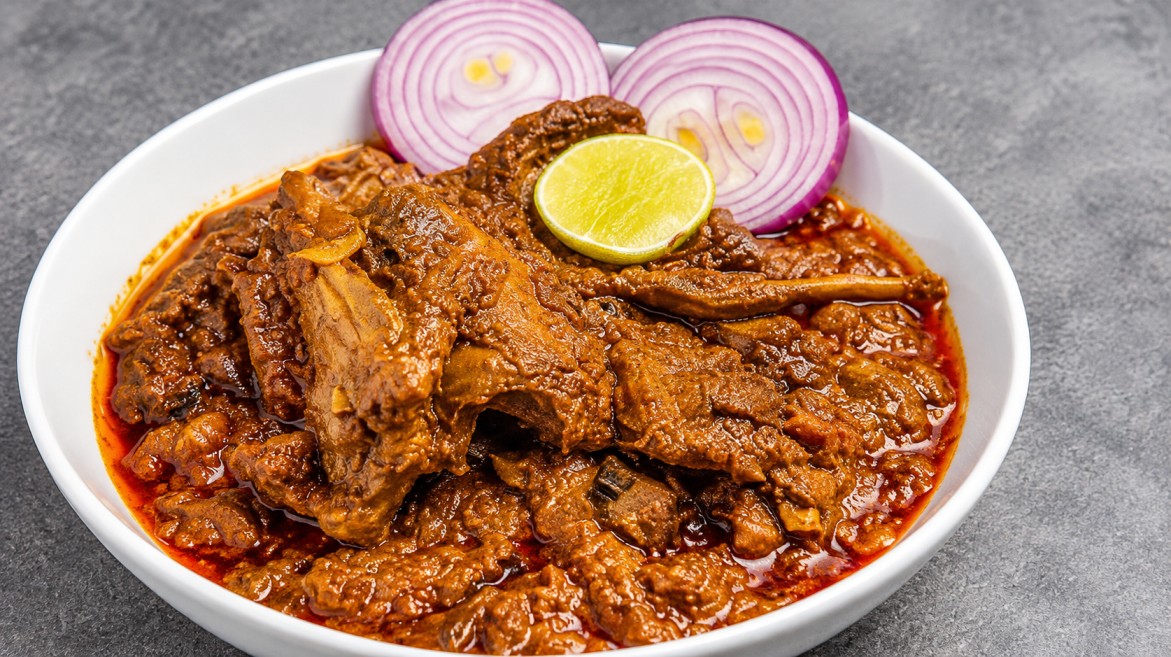
Pigeon meat provides protein, which helps the body build and repair muscles and other tissues. It also contains nutrients such as iron and vitamin B12, although the exact nutritional content depends on the bird and the portion consumed.
Black pepper, ginger and garlic add flavour without requiring a large number of packaged seasonings. Mustard oil gives the curry its characteristic taste, while potatoes provide carbohydrates.
As with other meat dishes, proper cleaning, safe handling and thorough cooking are important. Keep raw pigeon meat separate from ready-to-eat foods, wash hands and utensils after handling it, and cook the meat until it is fully done throughout. A food thermometer can help confirm that the thickest part has reached a safe internal temperature of 74°C (165°F).
FAQs About Paro Mankho
1. What is Paro Mankho?
Paro Mankho is a traditional Assamese pigeon meat curry. It is commonly prepared with mustard oil, onions, ginger, garlic, black pepper and green chillies.
2. What is Paro Mankhxo Jalukia?
Paro Mankhxo Jalukia is a pepper-flavoured pigeon curry. The word Jalukia refers to the use of pepper, which gives the dish its strong and distinctive taste.
3. Why is black pepper used in Paro Mankho?
Black pepper is the main flavouring ingredient. It gives the curry a sharp, aromatic and warming taste that complements the natural flavour of pigeon meat.
4. Can I add potatoes to Paro Mankho?
Yes. Potatoes are optional, but they make the curry more filling. They also absorb the flavour of the peppery gravy.
5. How long does Paro Mankho take to cook?
Preparation and marination may take around 30 to 40 minutes. Cooking time can take approximately 45 to 60 minutes or longer, depending on the age of the pigeon and the size of the meat pieces. Always cook until the meat is fully tender and safely cooked.