


Jojari River Ban Construction by Supreme Court

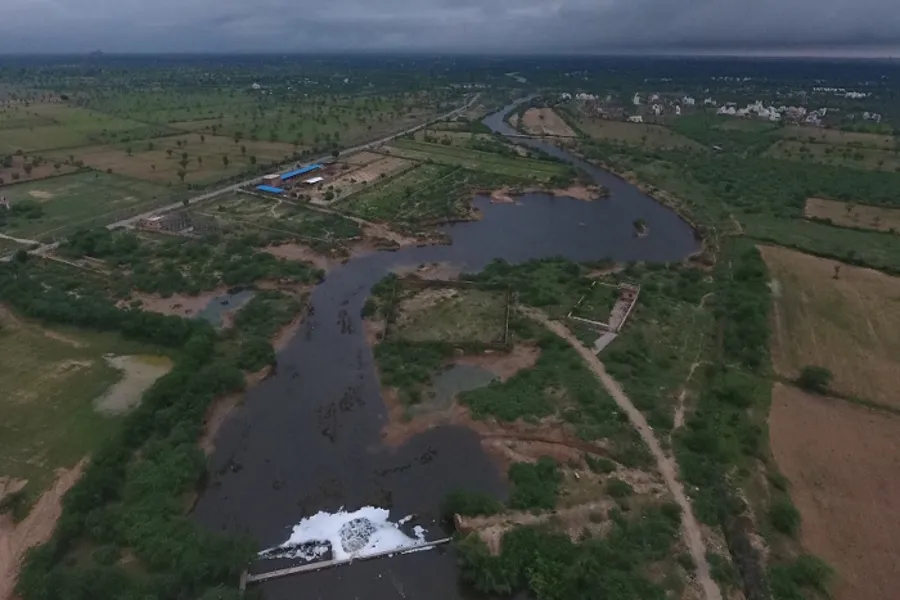
Jojari River Ban has been ordered by the Supreme Court of India as part of stronger measures to protect the polluted river and its surrounding environment in Rajasthan. The court has imposed an interim restriction on construction and development activities within 100 metres of the edge of the Jojari River. It has also restricted hazardous industries and other activities that may cause pollution within 500 metres on either side of the river’s existing flood line or present flow path.
Thank you for reading this post, don't forget to subscribe!The order comes amid concerns over industrial pollution in western Rajasthan. The Jojari River passes through areas connected with Jodhpur, Pali and Balotra, where pollution from industrial activities has raised environmental concerns.
Supreme Court Steps In to Protect the Jojari River
The Supreme Court is hearing the matter as a suo motu environmental case titled In Re: 2 Million Lives At Risk, Contamination In Jojari River, Rajasthan. The proceedings began on September 15, 2025, after the court took note of the serious pollution concerns affecting the river and nearby communities.
Under the latest interim directions, construction and development within 100 metres of the river’s edge cannot take place. The court has also placed stronger restrictions on hazardous industries and pollution-generating activities within a 500-metre zone on both sides of the river’s existing flood line or current flow path.
These restrictions are intended to remain in place until a scientific assessment identifies the High Flood Line and suitable ecological buffer zones.
Scientific Survey to Decide River Protection Zones
A key part of the Supreme Court’s directions is the scientific demarcation of areas that need protection. The High Flood Line is important because it indicates the level that floodwater can reach during significant flooding. Identifying this line can help authorities decide where construction and industrial activity should be restricted.
The court’s approach links environmental protection with scientific planning. Instead of depending only on existing administrative boundaries, the protected areas will be determined through a scientific exercise.
This can also help reduce risks to people living near the river, especially in areas vulnerable to flooding and pollution.
Government Coordination on River Pollution
The Supreme Court had earlier issued directions to the Rajasthan government on August 7, 2026. It ordered the state to establish an Integrated Coordination Group within seven days to deal with contamination affecting the Jojari, Bandi and Luni rivers.
The group is to be headed by the Chief Secretary of Rajasthan. Its role is to coordinate government action on river pollution and related environmental concerns.
The court also directed Rajasthan to establish an independent River Commission or River Rejuvenation Authority. Such a body would focus on the restoration of polluted rivers and help coordinate long-term measures for improving river health.
The Supreme Court clarified that the Integrated Coordination Group is an internal government arrangement. It does not replace or override the High-Level Ecosystem Oversight Committee.
Jojari River Pollution and Local Communities
The pollution issue has an important social dimension because communities living around the river depend on the local environment for their daily lives and livelihoods. Industrial pollution can affect water quality, soil, agriculture and public health.
The Jojari River is particularly important in western Rajasthan, where water resources are limited and environmental conditions can be difficult. Pollution of an existing water source can therefore create wider problems for surrounding communities.
The court’s reference to the risk affecting millions of people highlights the need for coordinated action rather than isolated pollution-control measures.
Jojari River Ban and Environmental Protection
The Jojari River Ban also reflects a wider trend in environmental governance in India, where courts have increasingly focused on protecting river floodplains, wetlands and other ecologically sensitive areas.
Construction close to rivers can reduce natural flood-absorbing areas and increase environmental risks. Industrial activities can add another layer of concern when untreated or poorly managed waste enters water systems.
By temporarily restricting development around the Jojari River, the Supreme Court has created a protective framework while scientific authorities determine the appropriate long-term boundaries.
The directions also place responsibility on the Rajasthan government to improve coordination between departments dealing with water, industries, pollution control and environmental restoration.
Jojari, Bandi and Luni Rivers Under Focus
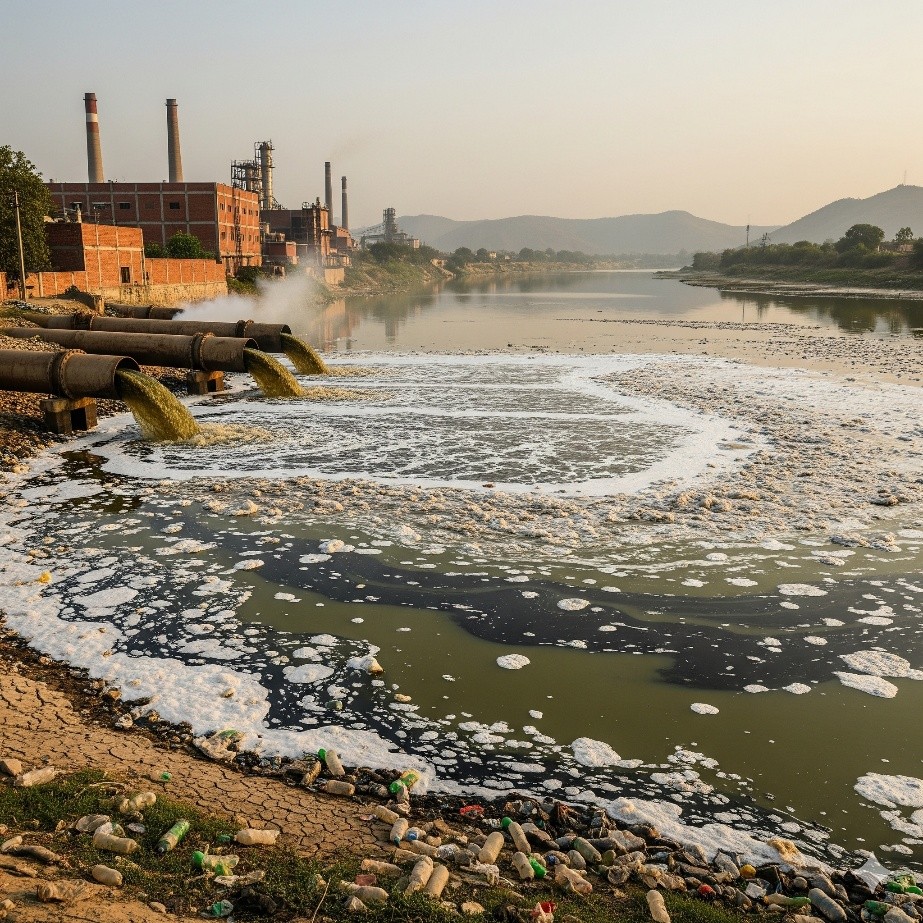
The Supreme Court’s directions cover more than the Jojari River. The Bandi and Luni rivers have also been included in the wider pollution-control effort.
The Luni is one of the important river systems of western Rajasthan and flows through an arid region. The Jojari and Bandi are connected to the wider environmental and drainage system of the region. Pollution in one part of this network can therefore have effects beyond a single river.
The creation of a dedicated coordination mechanism and a proposed River Commission is aimed at addressing these issues in a more organised way.
What Happens Next?
The immediate focus will be on carrying out the scientific exercise needed to identify the High Flood Line and ecological buffer zones. Until this process is completed, the interim restrictions on construction and certain industrial activities will remain important safeguards.
Authorities will also need to work on identifying pollution sources, improving monitoring and ensuring that industries follow environmental regulations.
The case places river conservation, floodplain management and industrial pollution control at the centre of ongoing environmental proceedings in Rajasthan.