


Reflect Orbital: Skyroot Signs Two Launch Deals

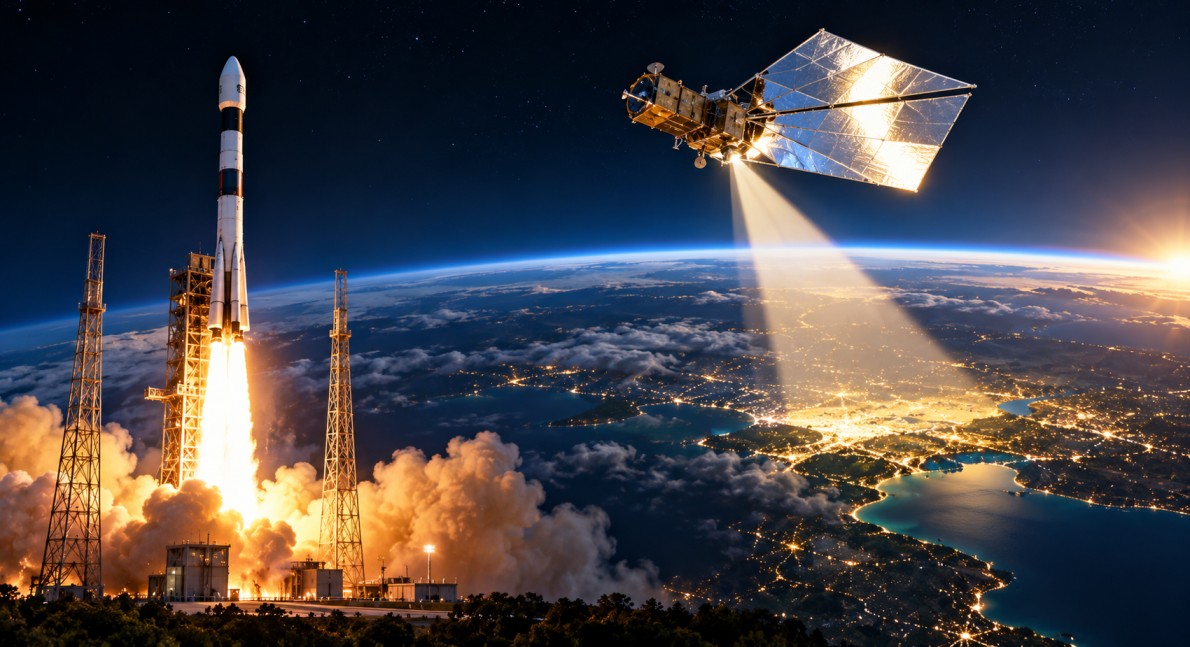
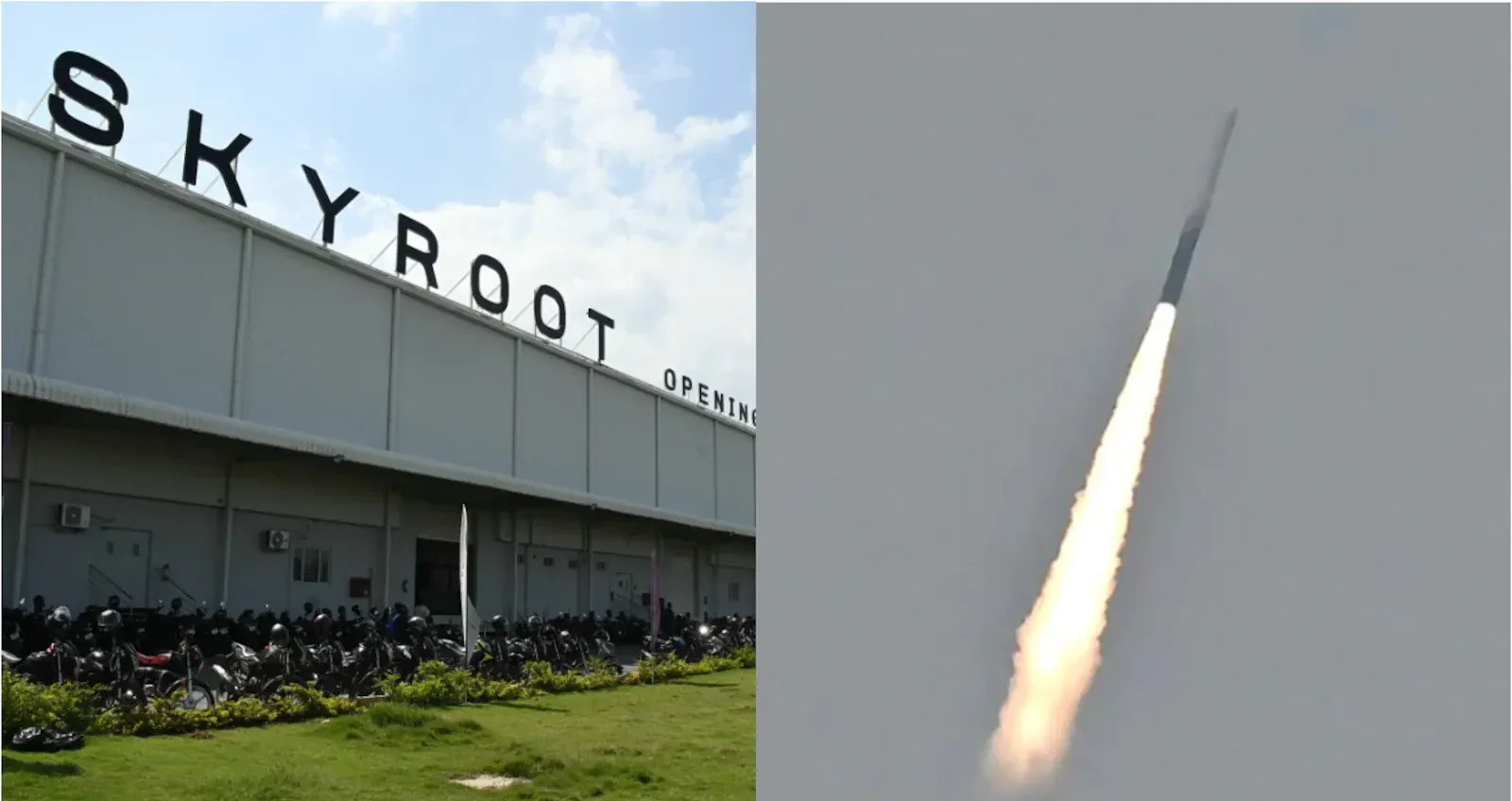
Reflect Orbital has signed a contract with Hyderabad-based Skyroot Aerospace for two dedicated rocket launches, according to a report dated 16 October 2026. The agreement was signed on 14 October 2026 and supports the US start-up’s plan to place spacecraft equipped with orbital mirrors in space. These mirrors are designed to reflect sunlight towards selected locations on Earth after sunset.
The proposed technology aims to provide additional light at night without using conventional lights at the target location. Reflect Orbital is exploring possible uses in emergency response, solar energy production, remote industrial areas and other settings that may benefit from extra illumination. However, the technology is still developing, and its practical benefits and environmental effects will need careful assessment.

Skyroot’s Vikram Rockets for the Missions
Under the agreement, the first launch is planned using Skyroot Aerospace’s Vikram-1 rocket. The second mission is planned for the Vikram-1U launch vehicle, which is still under development.
Vikram-1 completed its maiden orbital flight in July 2026, according to the supplied report. The Vikram family of rockets is part of Skyroot’s effort to develop launch vehicles for commercial satellite missions.
The Vikram-1U is being developed with additional first-stage boosters and improved performance. These changes are intended to provide greater launch capability.
The financial terms of the agreement and the planned launch dates have not been disclosed. The two missions would give Reflect Orbital access to dedicated launch services for its proposed orbital lighting system.
How Do Orbital Mirrors Work?
Reflect Orbital plans to develop a constellation of satellites carrying large reflective surfaces. These spacecraft would use sunlight and direct it towards selected areas on Earth after sunset.
Instead of producing light using lamps or other electrical equipment at ground level, the system would redirect sunlight from orbit. The company has described a service that could adjust brightness over an area approximately five kilometres wide.
The concept depends on several technical factors, including the satellite’s position, the angle of sunlight, the size and orientation of its reflective surface, and the accuracy with which reflected light can be directed.
The amount of light reaching the ground would also depend on atmospheric conditions and the time of day. Clouds and other weather conditions could affect the results.
Although the idea may sound simple, delivering controlled illumination from orbit presents major engineering challenges. The ability to provide reliable lighting at a useful brightness and for a predictable period remains an important question for the technology.
Potential Uses of Reflect Orbital Technology
Reflect Orbital has described several possible uses for its proposed satellite system. One is disaster response, where additional illumination could help search-and-rescue teams work in areas affected by earthquakes, floods or other emergencies.
Another proposed use is supporting solar farms. By directing sunlight towards solar panels after sunset, the company hopes to explore ways of extending electricity generation beyond normal daylight hours. However, the amount of additional energy that could be produced, and whether the process would be economically practical, remain to be demonstrated.
The technology could also be considered for remote industrial sites, where temporary lighting may be needed for certain operations. The company has also discussed possible applications in defence activities and public events.
These uses are proposals rather than proven commercial services. Their success would depend on the brightness delivered, operating costs, weather conditions, satellite availability and the ability to direct light safely.
FCC Approval and the Demonstration Satellite
In July 2026, the US Federal Communications Commission (FCC) approved the construction, launch and operation of Reflect Orbital’s demonstration satellite, Eärendil-1, according to the supplied report.
The FCC is a US government agency responsible for communications regulation, including radio-frequency spectrum. Its approval relates to the areas covered by its regulatory authority and should not be treated as proof that every environmental or public concern has been resolved.
The proposed system has attracted attention because artificial illumination from space could affect the night sky. Astronomers have raised concerns that reflected sunlight might interfere with observations, particularly when studying faint objects in space.
Environmental groups have also highlighted possible effects on wildlife. Many animals depend on natural cycles of light and darkness for movement, feeding and reproduction. Additional light at night could disturb these patterns.
Artificial light can also affect human circadian rhythms, which help regulate the body’s sleep and wake cycle. These concerns make environmental research and careful testing important before large-scale deployment.

Earlier Experiments with Space Mirrors
The idea of reflecting sunlight from orbit is not entirely new. In 1993, Russian scientists and engineers conducted the Znamya experiment, which involved deploying a reflective structure in space to direct a moving beam of sunlight towards Earth.
The experiment demonstrated the basic concept of redirecting sunlight from orbit. However, the programme was later discontinued because of a lack of funding.
Reflect Orbital’s proposed system differs in its planned commercial approach and use of a satellite constellation. Instead of a one-time demonstration, the company aims to develop a service that could provide targeted illumination when requested.
The latest agreement with Skyroot Aerospace connects this proposal with India’s growing private space industry. If the missions proceed as planned, they could provide an opportunity to test the technology and examine its practical limitations.
The progress of the project will depend on successful launches, reliable satellite operations, regulatory requirements and evidence that the benefits can be achieved without unacceptable effects on people, wildlife or astronomical research.