

Rock Art Sites in India

Rock Art India represents thousands of years of human creativity, culture and history. From carvings on mountain rocks to paintings inside natural shelters, these ancient artworks provide clues about how people lived, hunted, travelled and expressed their ideas. Important rock art sites are found in Ladakh, Madhya Pradesh, Maharashtra, Goa, Kerala and Tripura.
These sites include petroglyphs, which are images carved or engraved into rock, and pictographs, which are painted or drawn on rock surfaces. Their designs include animals, human figures, hunting scenes, geometric patterns and religious images. Protecting these places is important because weather, construction, tourism and other human activities can damage rock surfaces that have survived for thousands of years.

Ladakh: Ancient Carvings Along the Indus River
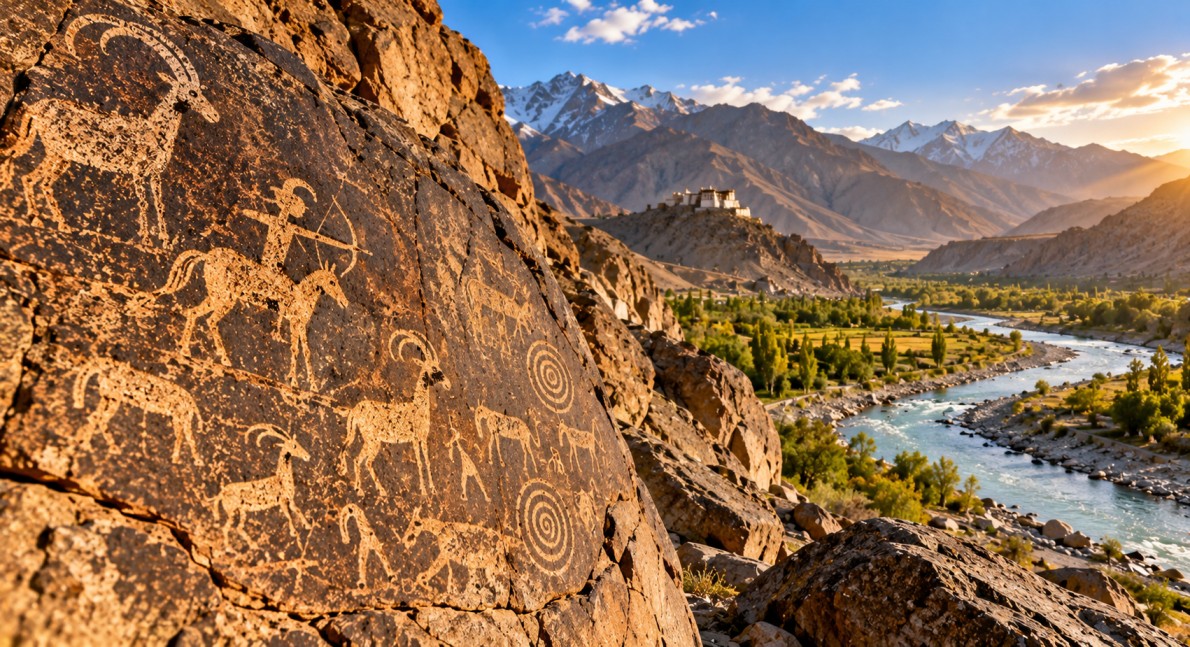
Ladakh is known for its extensive collection of prehistoric and historic rock carvings. Many of these engravings are found along the Indus River and its tributaries, where river stones and exposed rock surfaces preserve images created by people in different periods.
Important locations include Khaltse, Domkhar, Achina and Biamah. Other sites are found around Dras, Kargil, Mulbekh, Nurla and Leh, as well as in the Zanskar Valley and the Karakoram region.
The carvings include ibexes, mounted archers, human figures and geometric patterns. Researchers have studied these images to understand the movement of people, cultural exchanges and artistic traditions across the Himalayan region.
On 15 October 2026, India’s first Petroglyph Conservation Park was inaugurated at Sindhu Ghat in Leh, according to the supplied report. The park aims to preserve Ladakh’s rock-carving heritage by systematically relocating ancient carvings from vulnerable sites. Such initiatives can support documentation and public awareness, although the protection of carvings in their original locations remains important for understanding their archaeological context.
Bhimbetka Rock Shelters in Madhya Pradesh
The Bhimbetka Rock Shelters are among India’s most important prehistoric heritage sites. Located in the foothills of the Vindhyan Mountains in Madhya Pradesh, the site is recognised as a UNESCO World Heritage Site.
The complex contains more than 700 natural rock shelters, of which over 400 have paintings. The artworks represent different periods, from the Mesolithic era to historical times.
Many paintings show animals, hunting activities, dancing and scenes of community life. These images offer clues about how people interacted with their surroundings and expressed their experiences through art.
The wider Bhimbetka landscape also preserves evidence of long-term human occupation, making it important for archaeological research. The shelters help researchers study changes in artistic styles and daily activities over time.
Protecting the paintings from weathering, vandalism and uncontrolled visitor activity is essential. Responsible tourism can help people appreciate this heritage while reducing the risk of damage.
Konkan Petroglyphs in Maharashtra
The Konkan region of Maharashtra contains a large collection of ancient rock carvings, locally known as katal shilpa. More than 1,500 carvings have been recorded across over 70 sites, mainly in the districts of Ratnagiri and Sindhudurg.
Important locations include Kasheli, Rundhetali, Devachegothane, Devi Hasol, Barsu, Jambharun, Ukshi, Kudopi, Deood, Pomendi and Nivli Phata.
Many of these carvings are estimated to be around 10,000-12,000 years old, although dates can vary between sites and individual artworks. They include human figures, animals and abstract designs carved into open, relatively flat rock surfaces.
The open-air setting makes these petroglyphs particularly vulnerable to weathering, vegetation growth, development and human activity. Recording their locations and designs can help researchers understand their distribution and protect them from damage.
The Konkan carvings also offer opportunities for responsible heritage tourism, provided visitors follow local conservation guidelines and avoid walking on or marking the carved surfaces.
Southern India: Usgalimal and Edakkal
Southern India contains several important examples of ancient rock art. Two well-known locations are Usgalimal in Goa and Edakkal in Kerala.
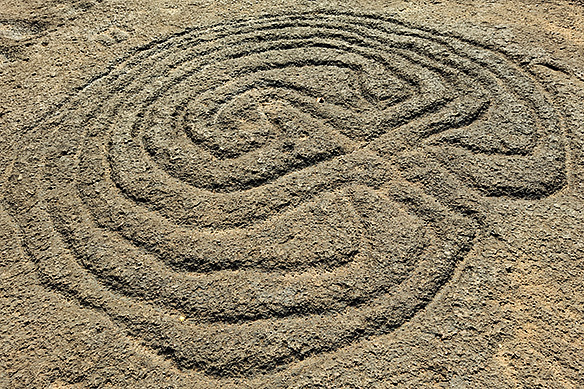
Usgalimal, Goa: Located near the Kushavati River, Usgalimal is known for rock engravings that include animals, human forms and geometric designs. These carvings provide evidence of early artistic expression in the region. Their study helps researchers understand how ancient communities used and interacted with the local landscape.
Edakkal Caves, Kerala: Situated in Wayanad district, Edakkal consists of natural rock shelters rather than conventional caves. The site contains engravings of human figures, symbols and other designs. These markings are important for understanding prehistoric and early historic cultural traditions in southern India.
Both sites require careful conservation because natural weathering and human activity can gradually damage the rock surfaces. Visitor management and scientific documentation help protect their historical value.
Central India: Adamgarh and the Bhanpura Region
Central India has a rich concentration of rock art across the Vindhya, Satpura and Kaimur hills, as well as areas around the Chambal Valley. The region contains evidence associated with several archaeological periods.
Adamgarh Hills in Madhya Pradesh, near Narmadapuram, is known for rock paintings depicting wildlife, dancing and other human activities. The site helps researchers investigate how artistic traditions developed over time.
The Bhanpura region of Madhya Pradesh contains important locations such as Chaturbhujnath Nala, Chibbad Nala and Daraki-Chattan. These sites feature different forms of rock art, including engraved marks and cupules, which are small, cup-shaped depressions made in rock.
Other locations of archaeological interest include Pahadgarh-Likhichhaj in Morena and sites in Raisen and Bhopal districts.
The wide range of artistic forms across central India provides opportunities to compare different periods, landscapes and cultural practices. Preserving these sites requires regular documentation, protection from vandalism and careful management of nearby development.
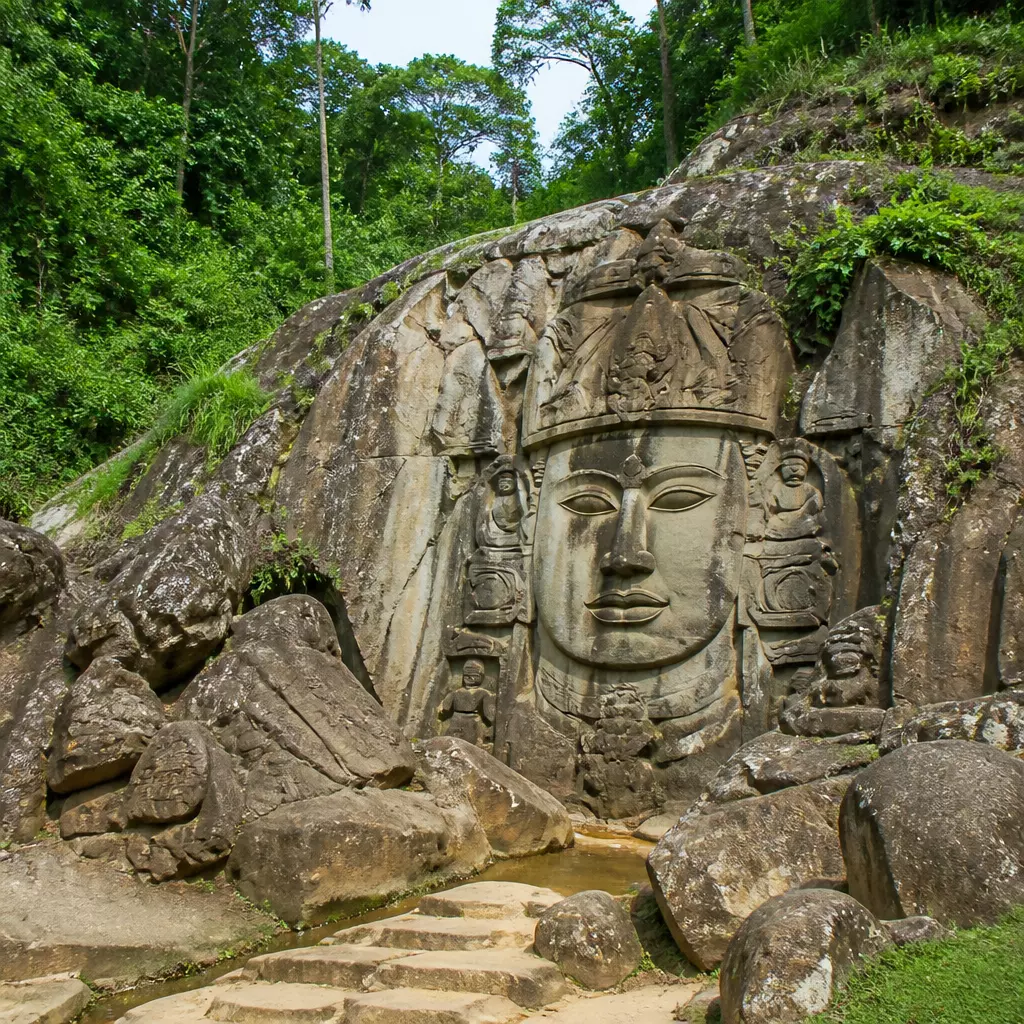
Unakoti in Tripura
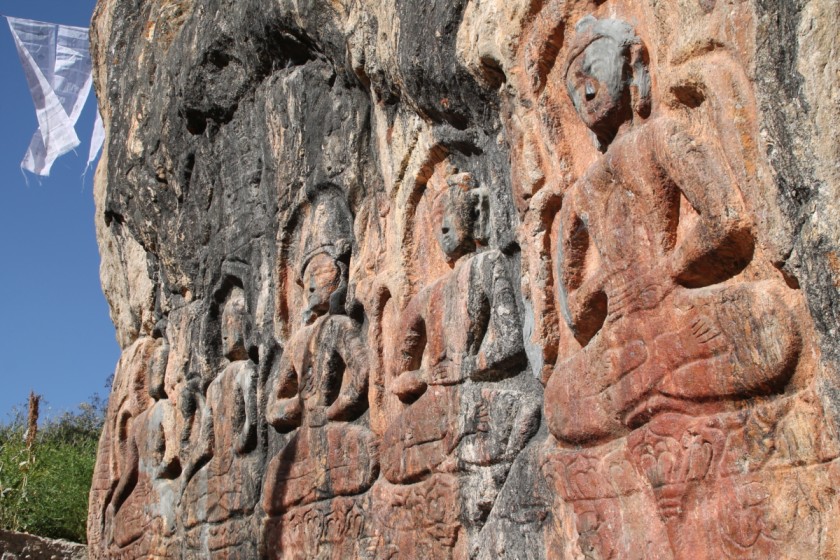
Unakoti, near Kailashahar in Tripura, is known for its large rock-cut sculptures and carvings on a hillside. Unlike prehistoric animal engravings, many of its most prominent images are associated with religious traditions, including representations linked to Shiva.
The name Unakoti means “one less than a crore” and is connected with a local legend involving Shiva and celestial beings. The site is an important part of Tripura’s cultural heritage and attracts visitors interested in history, art and religion.
Its large carved figures show how natural rock landscapes were used to create monumental images. Protecting the sculptures from weathering, vegetation and uncontrolled development is important for preserving their artistic and cultural significance.
Why Rock Art Conservation Matters
Rock art sites preserve evidence that may not be available in written records. They help researchers study ancient communities, wildlife, artistic traditions and changes in the environment.
However, these remains can be damaged by erosion, rain, temperature changes, construction, vandalism and careless tourism. Once an engraving or painting is lost, its original details may be impossible to recover.
Conservation efforts can include photographic recording, digital mapping, scientific research, protective measures and public education. Where carvings are moved to conservation parks, careful documentation of their original locations is also important because the surrounding landscape provides valuable historical information.
India’s rock art heritage stretches across different regions and periods, from the prehistoric paintings of Bhimbetka to Ladakh’s Indus-basin engravings and the monumental sculptures of Unakoti. Protecting these places helps preserve an important record of the country’s cultural and archaeological past.