


Barda Lions Return After 144 Years

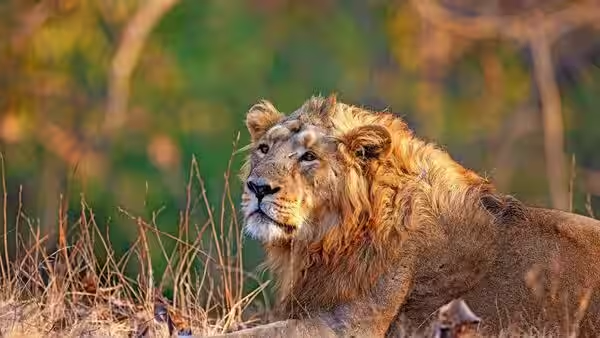
Barda Lions have marked an important development in wildlife conservation in Gujarat. As of October 2026, Barda Wildlife Sanctuary in the Saurashtra region is home to 17 Asiatic lions after the species returned to the area following an absence of around 144 years. The sanctuary covers 192.31 square kilometres across Porbandar and Devbhumi Dwarka districts.
This development is part of efforts to expand the natural range of Asiatic lions beyond their main habitat in Gir. Establishing another population can help reduce the risks associated with having the species concentrated in a single area. It also highlights the importance of protecting forests, grasslands and prey animals to support the long-term survival of these big cats.

How Asiatic Lions Returned to Barda
The return of lions to Barda began naturally in January 2023, when a male lion moved from the Gir landscape into the sanctuary. This movement showed that Barda could serve as a suitable habitat outside the lions’ main range.
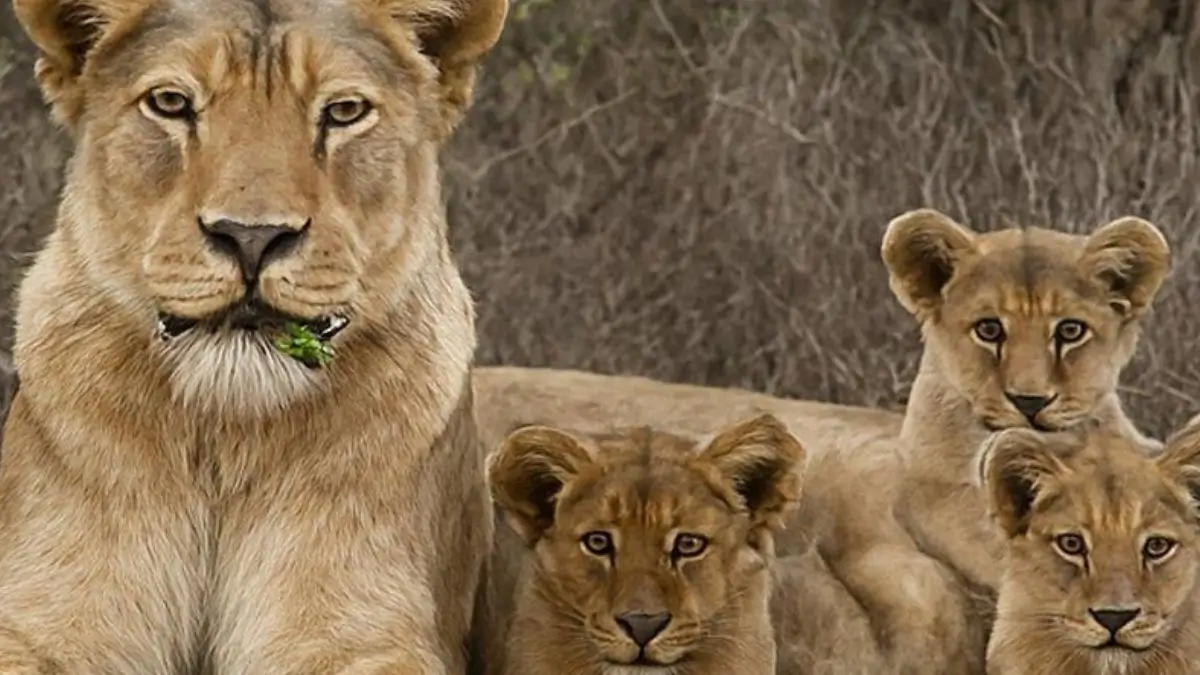
Following this development, the Gujarat Forest Department introduced five female lions to support the establishment of a population in the area. Over time, the lion population grew, reaching 17 animals by October 2026.
The return of these animals is significant because a population spread across more than one suitable habitat may be less vulnerable to local threats, such as disease outbreaks or other environmental pressures. However, a separate population also requires careful monitoring, sufficient prey and effective protection.
Why Barda Wildlife Sanctuary Is Important
Barda Wildlife Sanctuary is located in Gujarat’s Saurashtra region and includes forest areas and grasslands that provide habitat for wildlife. Its landscape offers opportunities for Asiatic lions to establish home ranges and develop social associations.
The sanctuary covers 192.31 square kilometres and lies across Porbandar and Devbhumi Dwarka districts. Its growing role in lion conservation reflects a wider effort to identify and develop suitable habitats beyond Gir.
The Asiatic lion, scientifically known as Panthera leo persica, is a subspecies whose surviving wild population is found in Gujarat, India. Gir remains its principal natural habitat. Supporting another population in Barda could help improve the species’ long-term conservation prospects.
Scientific Study Tracks Lions in Barda
A scientific study titled Beyond Gir: Barda Wildlife Sanctuary as a Potential Stronghold for Asiatic Lions was published in the journal PLOS One on 9 September 2026.
Researchers studied how lions used the sanctuary and assessed its potential as a long-term habitat. They fitted radio collars to six lions, including one male and five females, to monitor their movements.
Between January 2023 and July 2025, researchers recorded more than 169,000 GPS locations from these animals. The information helped them understand how the lions moved through the sanctuary, established home ranges and formed social associations.
Such monitoring is important for wildlife management because it provides information about animal movements and habitat use. The findings can help conservation teams identify areas that need protection and understand whether the landscape can support a stable lion population over time.
Prey Animals Support Lion Conservation
A suitable habitat needs more than forests and open land. Lions also require enough prey animals to survive and maintain a healthy population.
As part of efforts to improve the prey base in Barda, 441 chitals, also known as spotted deer, were moved from Gir Wildlife Sanctuary during 2025–26. Hundreds of spotted deer and sambar had also been released through captive-breeding efforts since 2007.
These animals provide important food sources for large predators. Maintaining a healthy prey population can help reduce pressure on the ecosystem and support the needs of the growing lion population.
Barda is designated as Satellite Population 8 under Project Lion, a conservation programme focused on the protection and long-term survival of Asiatic lions. Habitat management, prey availability, animal monitoring and protection from threats are important parts of this work.
Ecotourism Creates Local Opportunities
Ecotourism initiatives began in Barda Wildlife Sanctuary in 2024. The sanctuary received 2,271 visitors during its first year, followed by 3,359 visitors in 2025–26.
Responsible ecotourism can create livelihood opportunities for local communities through guiding, transport and other visitor services. It can also help people learn about wildlife and the importance of protecting natural habitats.
However, tourism needs to be managed carefully. Excessive visitor activity, disturbance and poorly planned infrastructure can affect wildlife. Proper guidelines can help balance local economic opportunities with the need to protect the sanctuary’s ecosystem.
The return of Asiatic lions to Barda after around 144 years represents a notable step in Gujarat’s wildlife conservation efforts. Continued scientific monitoring, habitat protection and the management of prey populations will remain important as the lion population develops.