


Swift Observatory Re-entry

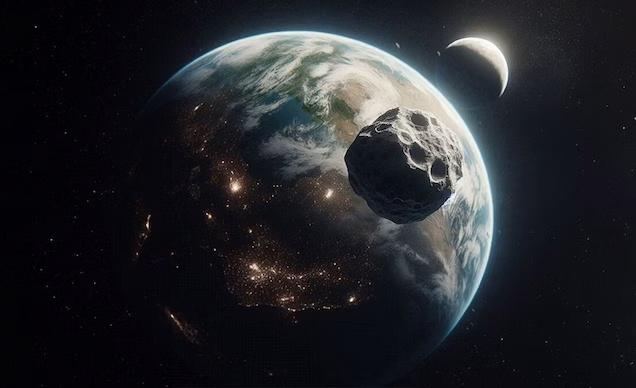
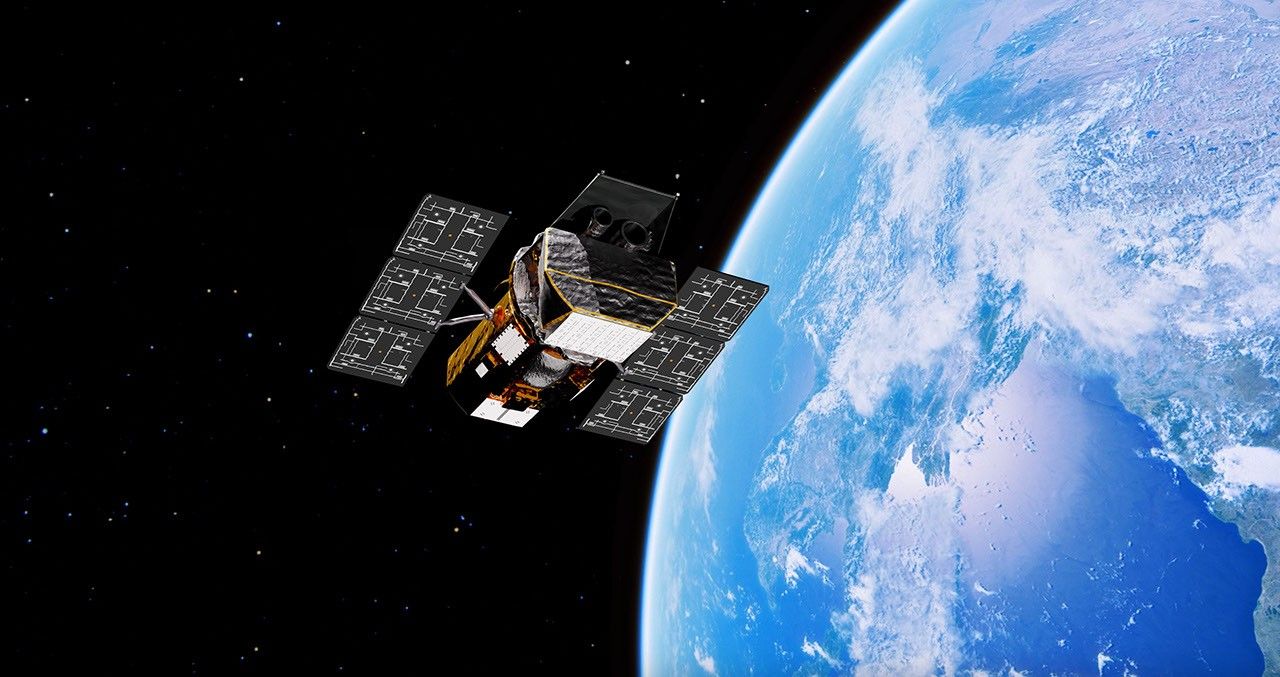
Swift Observatory Re-entry marked the end of a 22-year space mission after NASA’s Neil Gehrels Swift Observatory returned to Earth’s atmosphere on 4 November 2026. The U.S. Space Force confirmed that the spacecraft re-entered at 7:39 a.m. Eastern Standard Time, or 12:39 GMT, over North Sumatra province in Indonesia.
The observatory weighed about 1,452 kilograms and was travelling at roughly 22 times the speed of sound when it entered the atmosphere. Most of the spacecraft was expected to burn up because of the intense heat created by atmospheric friction. However, some fragments may have survived and reached the ground.

NASA had estimated the risk of harm to anyone on Earth from falling debris at about 1 in 2,100. No injuries or damage were reported following the re-entry.
End of a Long Space Mission
The Neil Gehrels Swift Observatory was launched in November 2004. Its original mission was planned to last around two years, but it continued operating for more than two decades.
Swift was designed to study gamma-ray bursts, some of the most powerful explosions in the universe. It also observed supernovae, black holes, X-ray flares and other objects and events across the sky.
The observatory helped scientists investigate how stars die, how black holes affect their surroundings and how energetic events unfold across the universe. Its work contributed to around 7,000 scientific research papers, making it a highly productive space observatory.
Swift stopped operating on 20 October 2026 after months of declining orbital stability. Its re-entry several weeks later brought the mission to a close.
Why Swift Re-entered Earth’s Atmosphere
Swift orbited Earth for many years, but its orbit gradually became less stable. As the spacecraft’s altitude declined, the risk of an uncontrolled re-entry increased.
NASA had been assessing ways to extend the observatory’s time in space. One proposed solution was to send a rescue spacecraft that could attach to Swift and raise its orbit.
A mission launched in July 2026 with Arizona-based start-up Katalyst aimed to carry out this task. The company’s LINK spacecraft was intended to reach Swift, connect with it and boost its orbit to a safer altitude.
However, LINK began spinning uncontrollably after reaching space. The rescue attempt was abandoned, and the LINK spacecraft itself re-entered Earth’s atmosphere in September 2026.
Without a successful orbit-raising mission, Swift continued losing altitude until it re-entered the atmosphere in November.
What Happens During Atmospheric Re-entry?
When a spacecraft returns to Earth’s atmosphere at high speed, it encounters increasing resistance from the air. This creates intense heating around the spacecraft.
The heat and pressure can break apart many parts of a spacecraft before they reach the ground. This process is known as atmospheric re-entry.
For Swift, NASA expected most of the observatory to burn up during the process. Some stronger components may have survived, but the risk to people on the ground was assessed as low.
The re-entry location over North Sumatra was confirmed by the U.S. Space Force. No reports of injuries or property damage were available following the event.
Swift’s Scientific Instruments
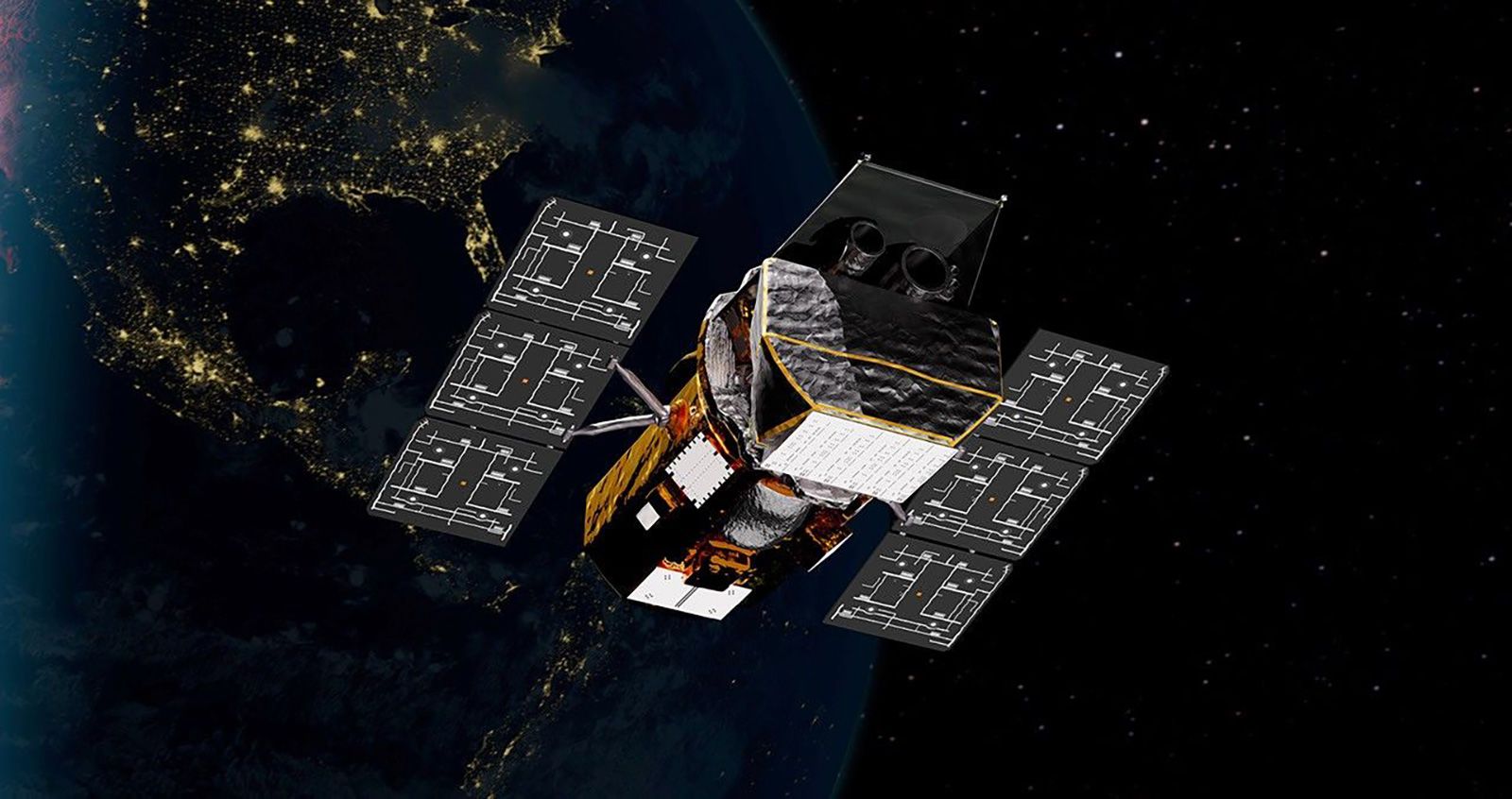
Swift carried three main instruments that allowed it to observe energetic events across different types of light.
The Burst Alert Telescope detected gamma-ray bursts and helped identify their locations. Its observations allowed Swift to quickly alert other telescopes and observatories around the world.
The X-ray Telescope studied the afterglows of gamma-ray bursts and other sources of X-rays. These observations helped scientists understand how energetic events change over time.
The Ultraviolet/Optical Telescope observed objects in ultraviolet and visible light. Together, the instruments gave researchers a broader view of cosmic events than a single type of telescope could provide.
Swift was also designed to respond quickly to sudden events. When it detected a possible gamma-ray burst, it could automatically turn towards the source and begin follow-up observations. This rapid response was important because some bursts fade quickly.
Swift’s Contribution to Astronomy
Swift’s long mission helped scientists study gamma-ray bursts and other powerful events in space. Its observations supported research into the deaths of massive stars, the behaviour of black holes and the changing brightness of distant cosmic objects.
The observatory also helped scientists coordinate observations with ground-based telescopes and other space missions. This approach allowed researchers to study events using several types of instruments and wavelengths.
The Swift Observatory Re-entry closes a major chapter in space-based astronomy. Although the spacecraft is no longer operating, its data will continue to support scientific research and help astronomers study the universe for years to come.