


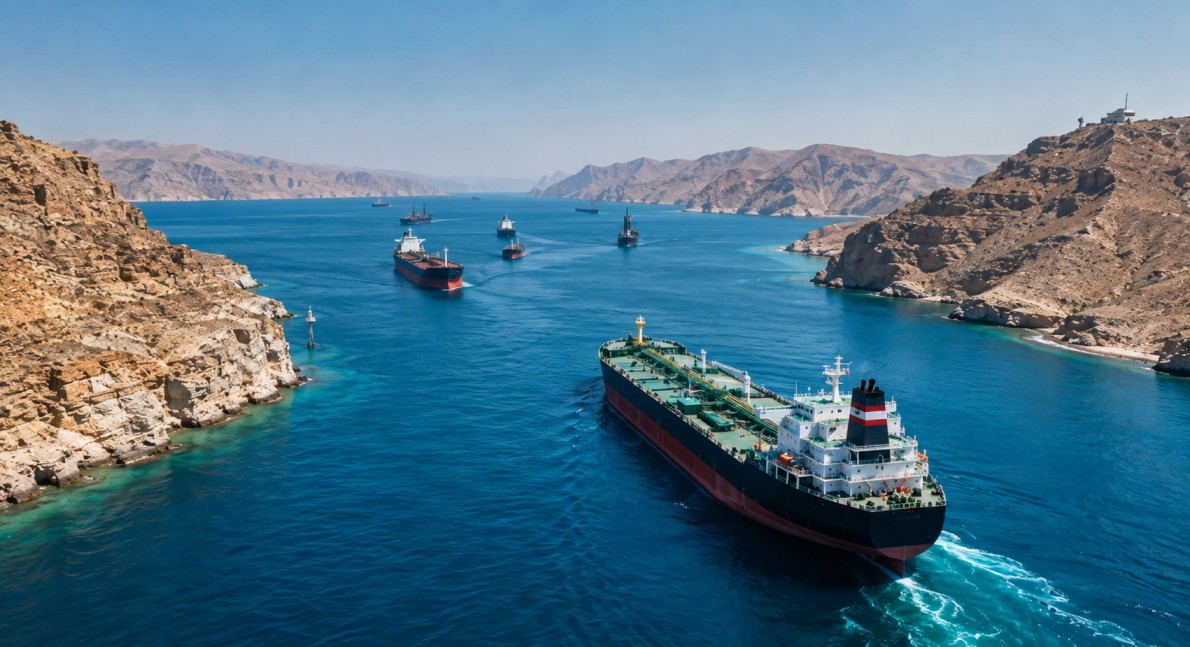
Strait of Hormuz Deal

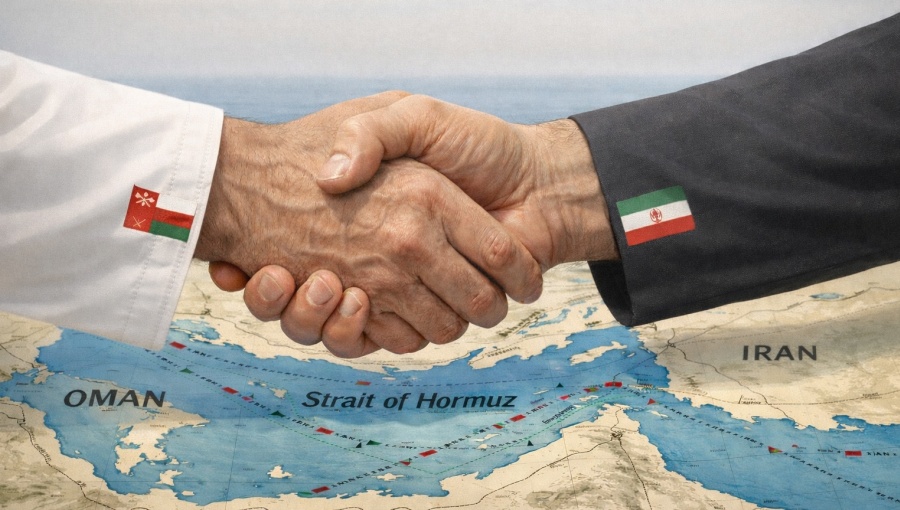
Strait of Hormuz has become the focus of a new maritime development after Iran and Oman agreed on a shipping route map for vessels using the strategically important waterway. The agreement was announced on 15 August 2026 following weeks of technical discussions between the two countries. Iranian officials said the arrangement is intended to support safer commercial navigation while respecting the sovereignty of both countries.
Thank you for reading this post, don't forget to subscribe!What the New Shipping Agreement Means
The agreement focuses on establishing a defined route for ships travelling through the Strait of Hormuz. Iranian Foreign Ministry spokesperson Esmaeil Baghaei said Tehran and Muscat had reached an understanding on the shipping traffic map after technical negotiations.
However, the wider arrangement has not yet been completely finalised. Some technical issues remain under discussion, and Iran and Oman are still working on the wording of a joint statement. This means the announcement represents an important step in maritime coordination rather than a complete return to normal shipping conditions.
The discussions involve maritime, security and other technical authorities from both sides. The two countries have been working on the issue since negotiations began in June 2026.
Why the Strait of Hormuz Matters
The Strait of Hormuz is a narrow waterway between Iran and Oman. It connects the Persian Gulf with the Gulf of Oman and the Arabian Sea, making it one of the most important maritime passages for international energy trade.
Large numbers of oil tankers, gas carriers and commercial vessels normally use the route to travel between Gulf ports and international markets. Any major disruption can therefore affect shipping costs, energy supplies and global oil prices.
Recent shipping data show how serious the disruption has become. Reuters reported that only five commodity vessels passed through the strait on 15 August, while no such vessels were recorded on 16 August. This was a major drop from the previous weekend, when 31 vessels were recorded.
Regional Security Remains a Major Issue
The route agreement comes amid continuing tensions in West Asia. Maritime security in and around the Strait of Hormuz has become a major concern for shipping companies and governments because of recent attacks and military activity in the region.
Iran has said that a full restoration of maritime security and normal traffic is linked to wider developments involving the United States. Iranian officials have maintained that certain conditions need to be addressed before the waterway can return fully to normal operations.
At the same time, the United States and Iran remain involved in difficult negotiations. Reuters reported on 17 August that US-Iran talks had stalled, while shipping through Hormuz remained significantly below normal levels. The uncertainty has also contributed to volatility in global energy markets.
Impact on Global Oil and Gas Trade
The importance of the Strait of Hormuz extends far beyond Iran and Oman. The waterway is a major route for oil and liquefied natural gas shipments from the Gulf region.
When tanker movement slows, shipping companies may face higher insurance costs, longer journeys and greater security risks. Energy markets can also react quickly to concerns about supply disruptions.
On 17 August, oil prices remained sensitive to developments around Hormuz and the wider US-Iran situation. Reuters reported that Brent crude initially rose before easing later in the day as traders assessed supply conditions and geopolitical risks.
Iran-Oman Cooperation
Iran and Oman have maintained diplomatic and maritime contacts despite wider tensions in the region. Their latest discussions are focused specifically on navigation and the safe movement of vessels through the strategic waterway.
The route map is intended to provide greater clarity for commercial shipping. For shipping companies, clearly defined routes can help with navigation planning and reduce uncertainty when vessels approach or pass through a sensitive maritime area.
The agreement also demonstrates the importance of direct communication between the two coastal countries. The Strait is bordered by Iranian and Omani waters, making coordination between Tehran and Muscat important for any future arrangement concerning navigation.
What Happens Next
Although the route map has been agreed, several details remain under discussion. Iranian officials have indicated that further talks will be needed before the broader shipping arrangement is fully settled.
The coming days will therefore be important for international shipping. The effectiveness of the new route will depend not only on the technical agreement between Iran and Oman but also on the wider security situation in the Gulf.
With global energy markets closely watching developments, any improvement in shipping conditions through the Strait of Hormuz could have an impact on tanker movement, fuel prices and international trade.